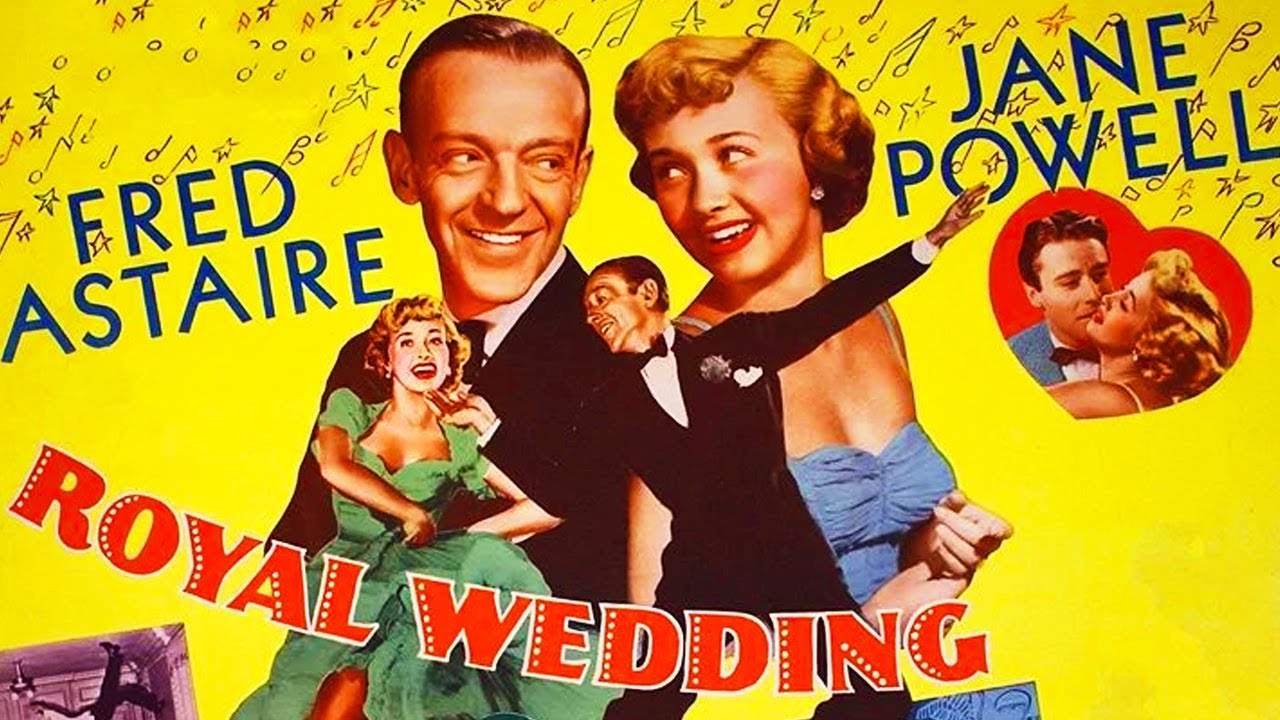
For most of my life, I’ve enjoyed watching movie musicals. I know that puts me in a 21st century minority, but I can’t help myself. There’s something about those old-timey kickline romances that just gets to me. The fact that there was never much of a plot-line and rarely any redeeming social value, just added to the appeal. Back in the old days, folks loved that stuff. In fact, during the Great Depression of the 1930’s and into the ’40’s, people who were struggling, still managed to dig-up the 30 cents for a ticket to see Judy Garland, Mickey Rooney, Dick Powell, Ruby Keeler or Ginger Rogers sing and dance to the moon and back.
Sociologists attribute this to the idea that these films served as a bridge over troubled waters (sorry Paul.) It was an opportunity to forget personal hardships for an hour or two, and get lost in pure diversion.
When Royal Wedding was released in 1951, the vintage movie musical was still thriving, but its popularity may have begun to wane. Still, the Fred Astaire – Jane Powell vehicle was a huge hit for MGM studios. It’s premise—- a brother and sister dance team, Tom and Ellen Bowen (Astaire and Powell) are about to conclude their hit Broadway show, Ev’ry Night At Seven, when their agent (Keenan Wynn) books them for an extended run in London. The timeline for the British engagement coincides perfectly with the 1947 real-life wedding of Princess Elizabeth and Phillip Mountbatten. Because Americans were as obsessed with the Royals then as we seem to be still, nuptually-fevered London serves as a perfect backdrop for the film.

Simply, the plot surrounds the siblings’ romantic adventures during and following their transatlantic boat ride. In truth, the plot is quite thin. I would venture to guess, one could enter the theatre an hour into the film and immediately be caught up. But that doesn’t matter. The movie is delightful.
The production values are dazzling (especially for its time.) With a somewhat early application of “Technicolor”— Cinematographer Robert Planck brings high energy to the London exteriors and elegant interiors. The costumes by Helen Rose are exquisite, particularly for the women. Astaire, as usual, is stylish in his tuxedoes and formal wear. But the dated rehearsal and casual outfits seem distracting at times. The music by Burton Lane and Alan Jay Lerner is tuneful and memorable. I find myself humming them afterward…the ultimate test. The direction by Stanley Donen is, for the most part, on target. He seems to have a solid understanding of how to convince an audience that the essentially fanciful premise of a musical…is, in actuality, realistic enough to be acceptable.
But Royal Wedding works primarily and chiefly because of the performances. It is a fine cast that seems totally comfortable in front of the camera.
Peter Lawford, as Lord Brindale, is likable and charming as the Powell love interest. The script doesn’t give him much to do but he does it well.

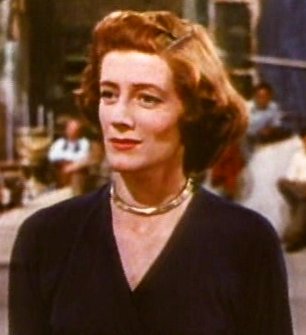
Sarah Churchill, plays Anne Ashmond, a showgirl to which the Astaire character takes more than a shine. She does well in the supporting role, delivering a credibility that lends itself well to the musical. Sarah Churchill is the daughter of Sir Winston Churchill, the former Prime Minister of England. This was news to me. Fascinating!
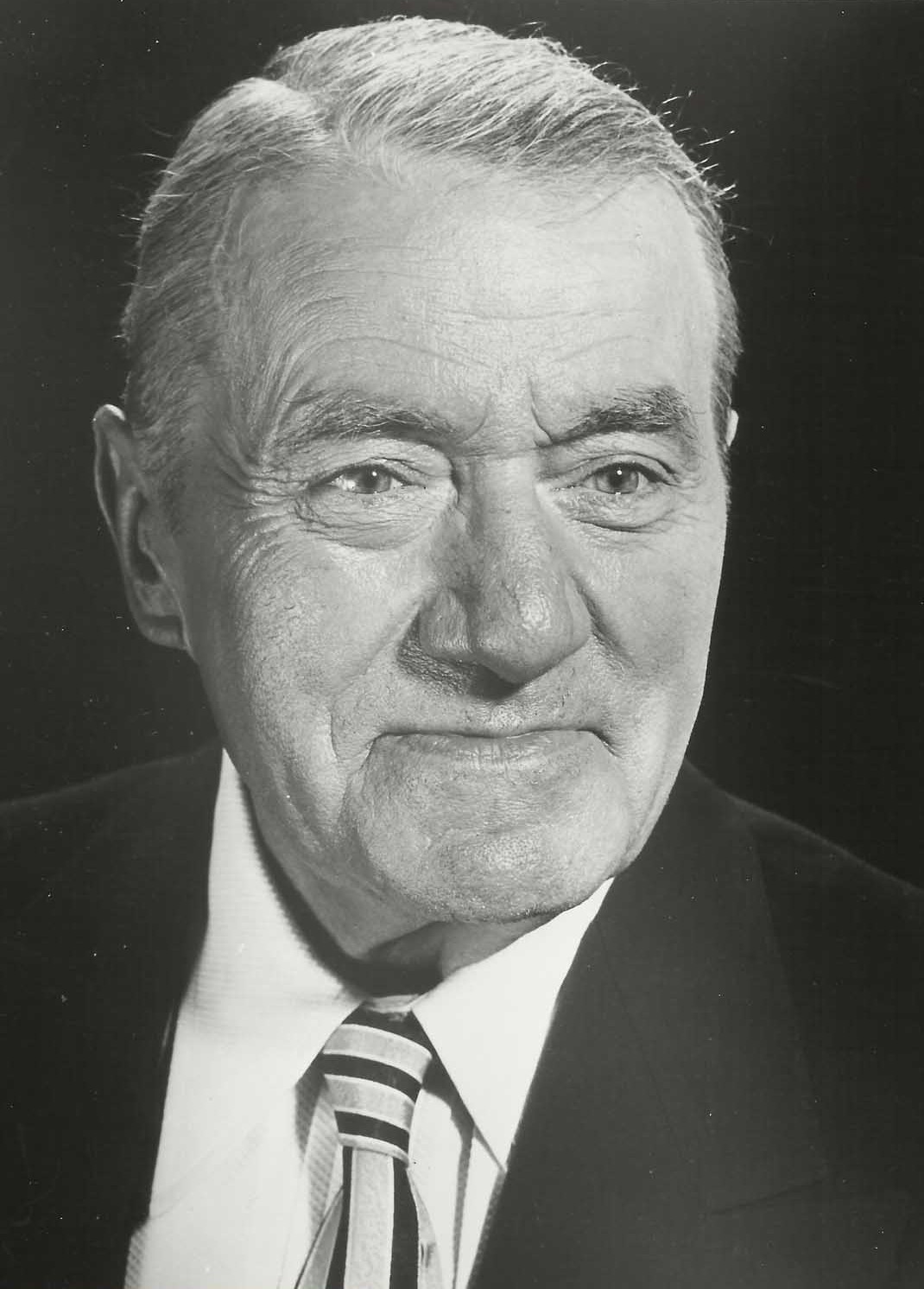
Albert Sharpe, the well known British character actor, is perfectly cast as Anne’s wayward father, Jaimie Ashmund. Very focused and extremely funny, I found myself wishing there was more of him.
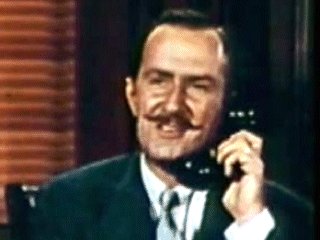
Keenan Wynn, plays a dual role as the Bowan’s agent Irving Klinger and his London-based twin brother, Edgar Klinger. Wynn is servicable in the roles and provides some funny moments. But, the character development might have been better attended.
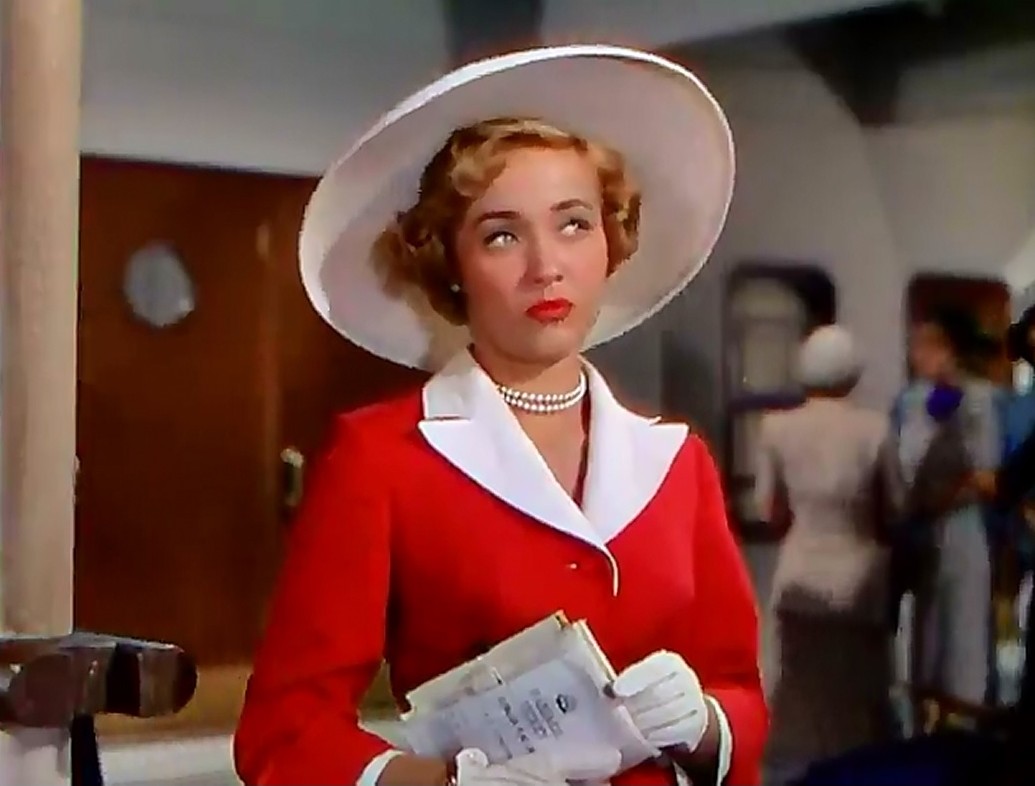
Jane Powell is beautiful and totally engaging as Ellen Bowen. She is complimentary to Astaire’s dancing which is probably the highest accolade attainable. Her singing is lovely, in my opinion. But I’m pretty certain the operatic soprano would be less than appealing in much of today’s culture.
The diamond in the tiarra here is the great Fred Astaire.
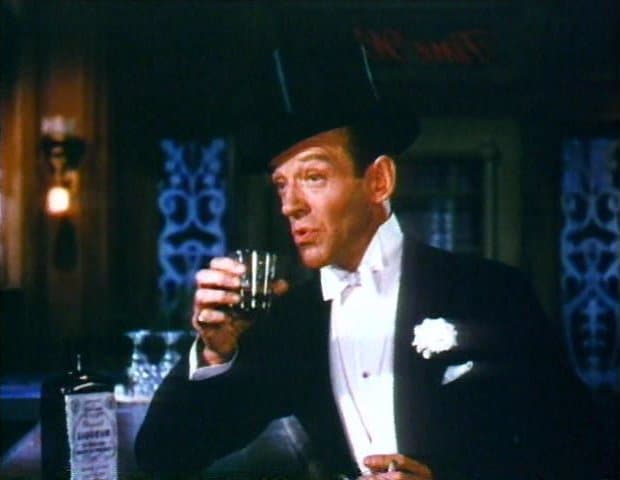
“I have been invited to say something about how dancers feel about Fred Astaire. It’s no secret. We hate him. He gives us complexes, because he’s too perfect. His perfection is an absurdity that’s hard to face.”
Mikhail Baryshnikov
Royal Wedding may have its share of ups and downs. But its essential up is Astaire. As a theatre person I’m sometimes chastised in expressing my occassional lack of enthusiam for big dance routines. Honestly, I get bored. But the creative movie magic applied to the dancing in Royal Wedding, keeps me tapping my toes. The film’s credited choreographer is Nick Castle, but you can bet the majority of the routines were devised by Astaire himself. And those routines are fantastic.
Of particular note…”Sunday Jumps” when Astaire’s Tom Bowen dances with a hat rack and various other supposedly inanimate objects.
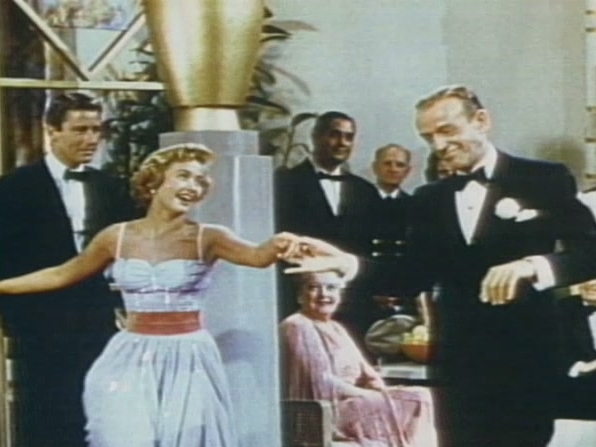
Also fine is “Open Your Eyes,” a romantic waltz executed by Astaire and Powell while on the ship voyage. Complications in the routine arise when a storm at sea causes the waves to shift the dance floor to and fro…a hysterical result.
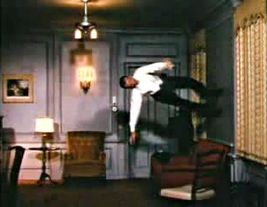
And finally…the iconic “You’re All the World to Me” in which Fred Astaire dances on the walls and ceiling. I’ve seen clips of this number many times, yet still find it incredibly compelling.
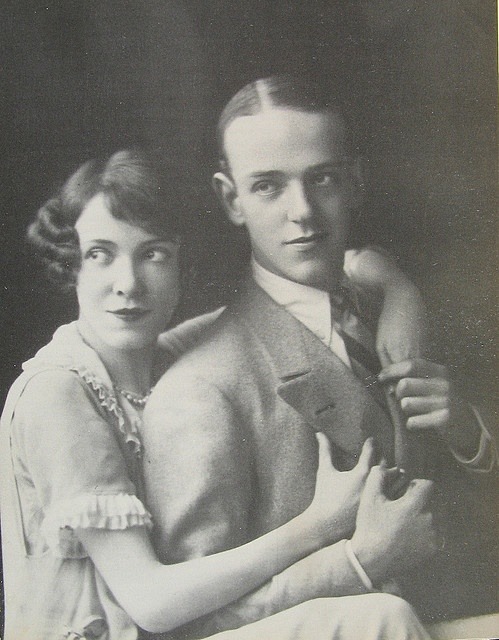
Royal Wedding is based loosly on the real life story of Fred Astaire and his sister Adele. They were, in fact, a brother and sister dance team. They enjoyed good success in both Vaudeville and on Broadway. But sister Adele retired from the act in 1932, to marry a British nobleman. Brother Fred headed for Hollywood. And the rest is history.
I thoroughly appreciate Royal Wedding. It was made at a time when the musical numbers of a movie had very little to do with advancing the story or developing the characters. But still I found much enjoyment in it and heartily recommend it. It’s worth the view for the Astaire performance alone. I’m pretty sure, the world isn’t likely to see the likes of him again.
 billbenbarker