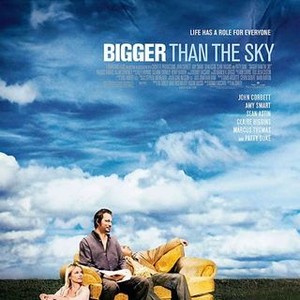
Bigger Than The Sky is a film I’ve watched and rewatched many times. The first time I saw it, I liked it very much. However, at each subsequent viewing I became more aware of its weaknesses, of which there are many. Now I can say unequivocally, it is a flawed movie….flawed to the point that certain lines and scenes are embarrasingly uncomfortable. Yet…in spite…. I still really like Bigger Than The Sky.
The film was written by Rodney Patrick Vaccaro and directed by Al Corley. It was filmed in Portland, Oregon, which is also the setting for the narrative. The cast includes some very talented folks including; John Corbett, who I loved in Northern Exposure; Amy Smart, a familiar tv and film artist; and most notably, the great Patty Duke, who skillfully, hysterically and ironically portrays identical twin-sisters in the film.
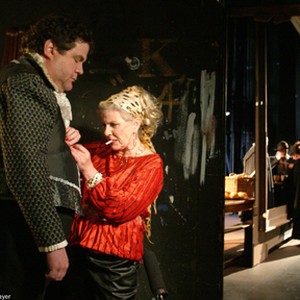
Bigger Than The Sky was released in 2005. The critical response was not kind. The Rotten Tomatometer score was 12%. I’m not sure I’ve ever seen a score that low. I take some satisfaction in the fact that the audience score was a more respectable 53%…still nothing to write home about. Many of the reviews I’ve perused are mean, mean spirited….a ploy I’ve never found helpful. I certainly understand some of the negativity, but I contend there is much to embrace in Bigger Than The Sky.
It is a essentially a theatre story. That in itself might limit its appeal. I believe in today’s culture, theatre may be regarded by some as an elitist passion, enticing primarily to privllidge. But this theatre story carries additional baggage. It is about community theatre, non-professionals… garnering not only the general disdain, but also the additional disfavor of other self-aggrandized theatre genres.
I suppose that’s why Bigger Than The Sky appeals so strongly to me. I’m part of the niche population so identifiable in the film.
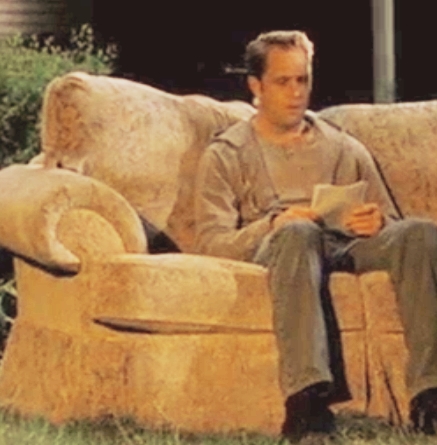
As the movie opens we meet an emotionally scarred Peter Rooker. He has been dumped by his girlfirend and has called his sister for condolance. He confides his sad reality….he has a dull job…a dull car…..no friends. He’s dull.
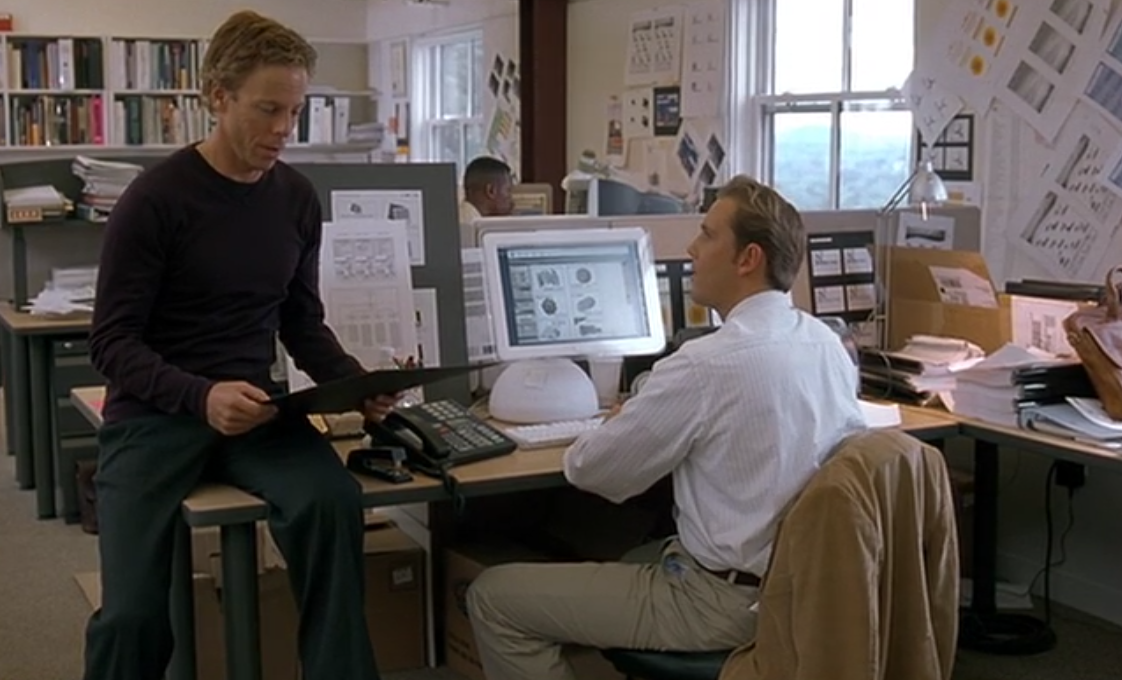
On his way to work the next day, he seems to be somehow “called”, as he walks past the Portland Community Theatre. At work, his boss (the wonderful Greg Germann) entices him with a promotion because…. “there’s no I in Peter Rooker”
Later, as he’s browsing in a bookstore, a customer walks right into him. “Sorry I didn’t see you” “What do you mean, I’m standing right here!” “I didn’t see you.”
Convinced he needs a change in his life, Rooker attends the theatre’s audition for Cyrano de Bergerac.
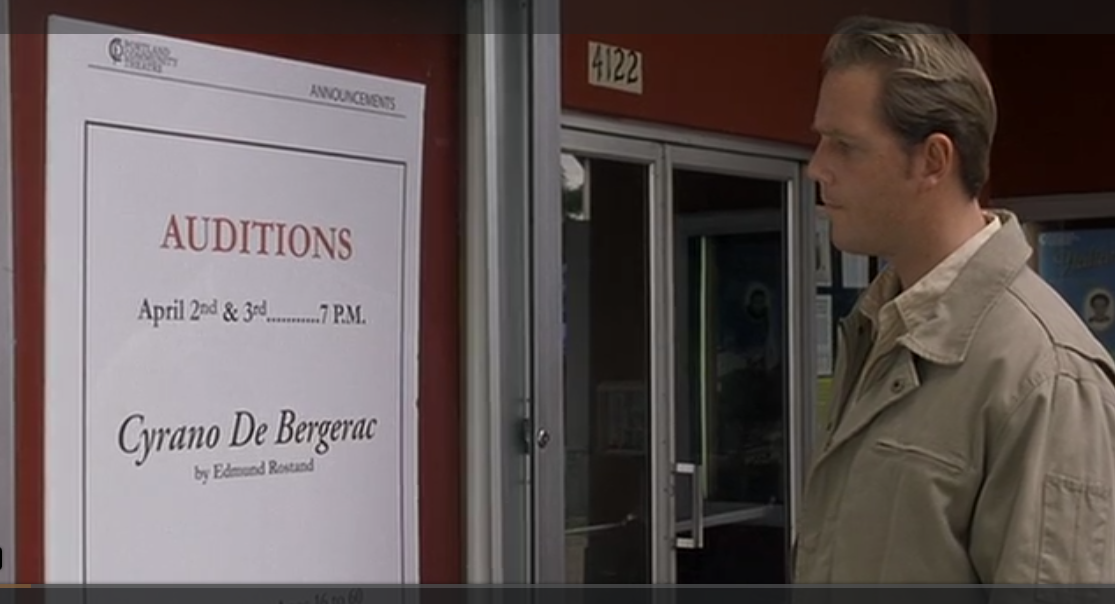
His hope is to meet some new people and move his life in a new direction. He’s read the play and identifies with the main character’s inability to express his love.
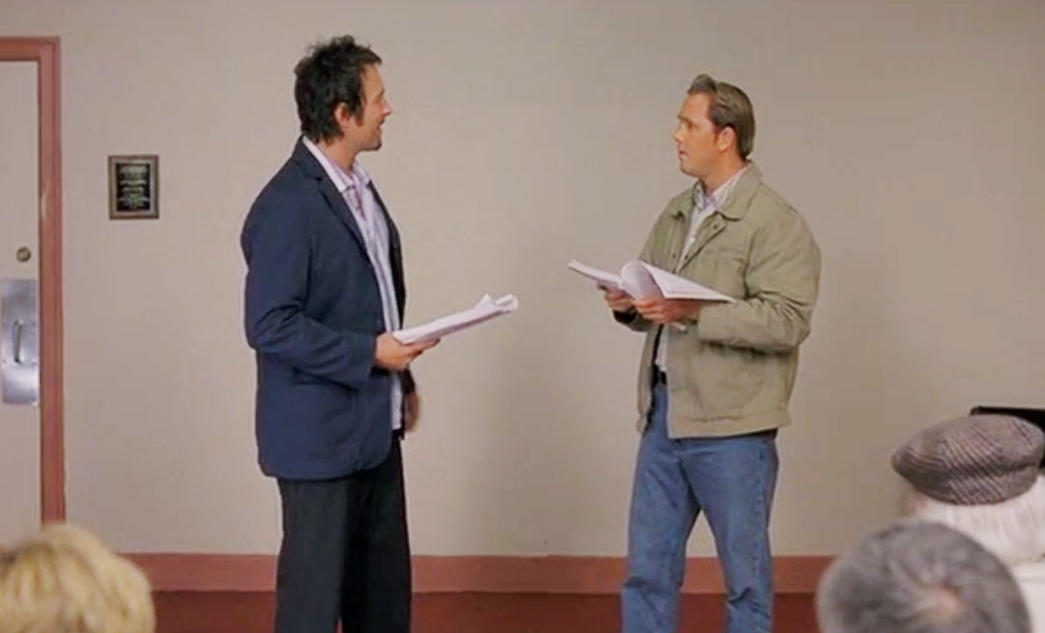
His audition is terrible and he self-consciously leaves the audition room only to become lost in the theatre’s black box. Here he encounters Grace Hargrove. He strikes up a friendship with her, perhaps a hope of something more. Grace enlightens him with the theatre adage, “There are no small parts, only small actors.”
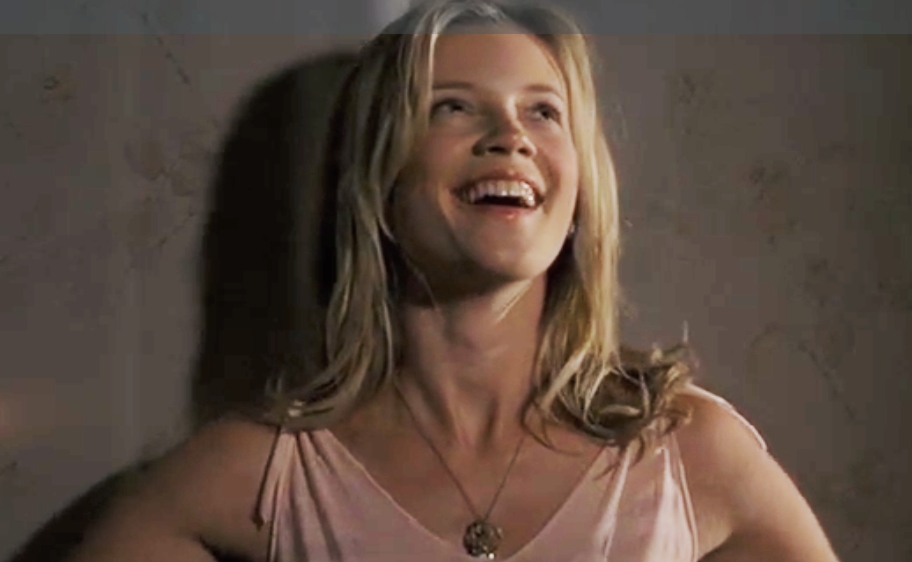
To everyone’s surprise, the Cyrano director, Edwina Walters, casts Peter in the lead role. She believes that Peter sees the truth in the character and that truth will suffice. So here we have the first flaw of the film. Even though magicial illusions draw us into the story (floating feathers and blinking marquees), the director’s casting of a beginner in a role like Cyrano, breaks any premise of believability. Of course, we want him to succeed. We’re pulling for him. Edwina, Grace, and Michael (the John Corbett character) do everything they can to help him. But the film branches out into a series of misguided misadventures that wander well beyond the illusion of reality. Along the way we hear expressions like “Welcome to tech-week,” “He’s going up!” “Good show!” “Blank canvas” etc. etc. etc. Of course, these expressions we know and live-by, but somehow sound terribly corny and/or pretentious here. In the end, Peter is replaced (as we knew he would be) by an obnoxious self-indulgent ass. So…a somewhat return to reality.
And if that weren’t bad enough, a romance triangle emerges between Peter, Grace and Michael. And again, Peter becomes a loser in love.
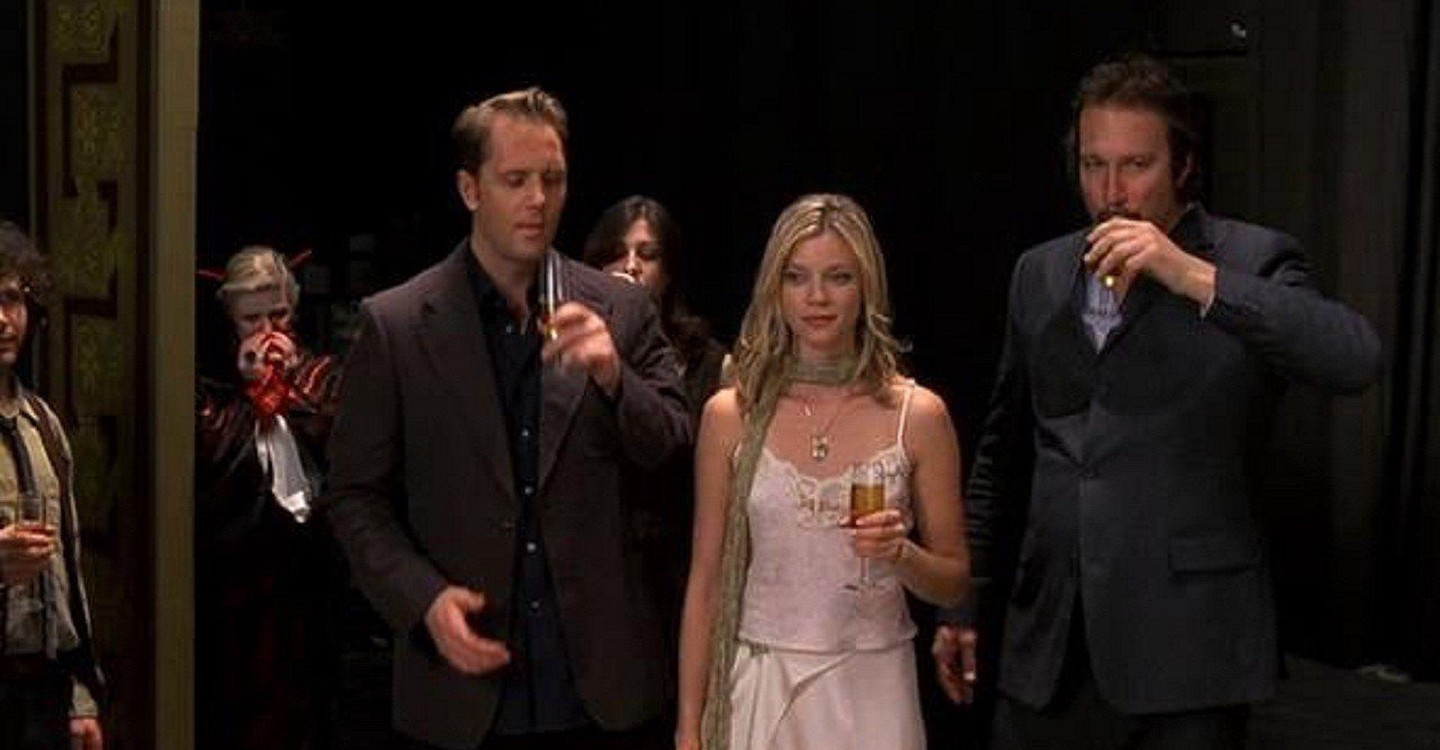
But his new experience has taught him a valuable lesson. Kippy Newberg, an ailing mentor to many at the Portland Community Theatre, provides Peter with clarity to the hackneyed montra uttered earlier by Grace. “There are no small parts, only small dreams. And the theatre is no place for small dreams.” (The actor is good, the line is truthful, yet it somehow sounds fatuous. A flaw.)
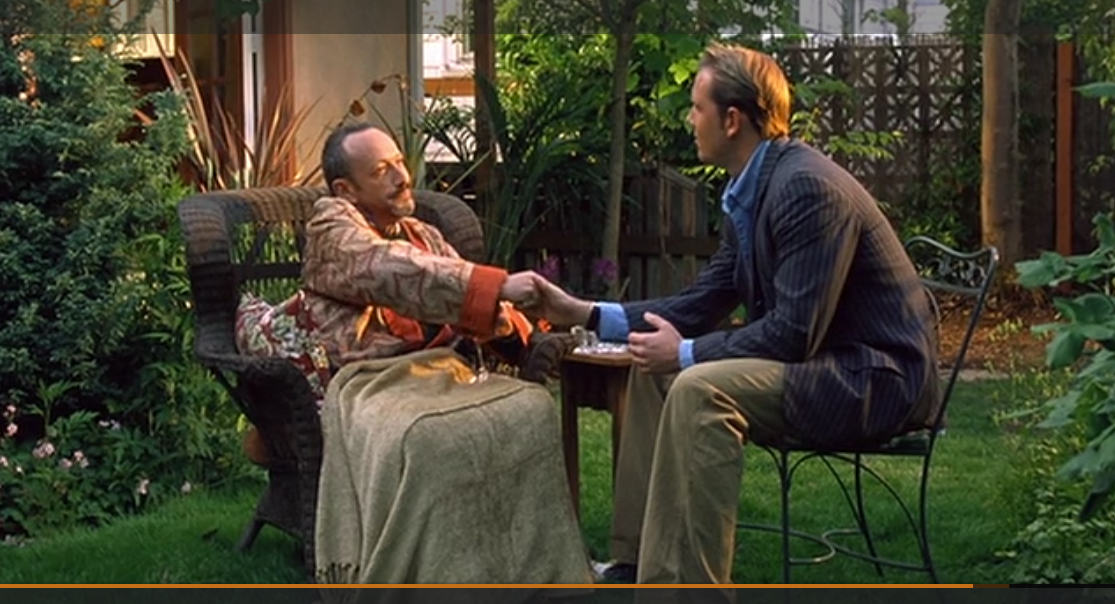
Peter is inspired by his chat with Kippy, and his story ends on a satisfying (if unrealistic) high note.
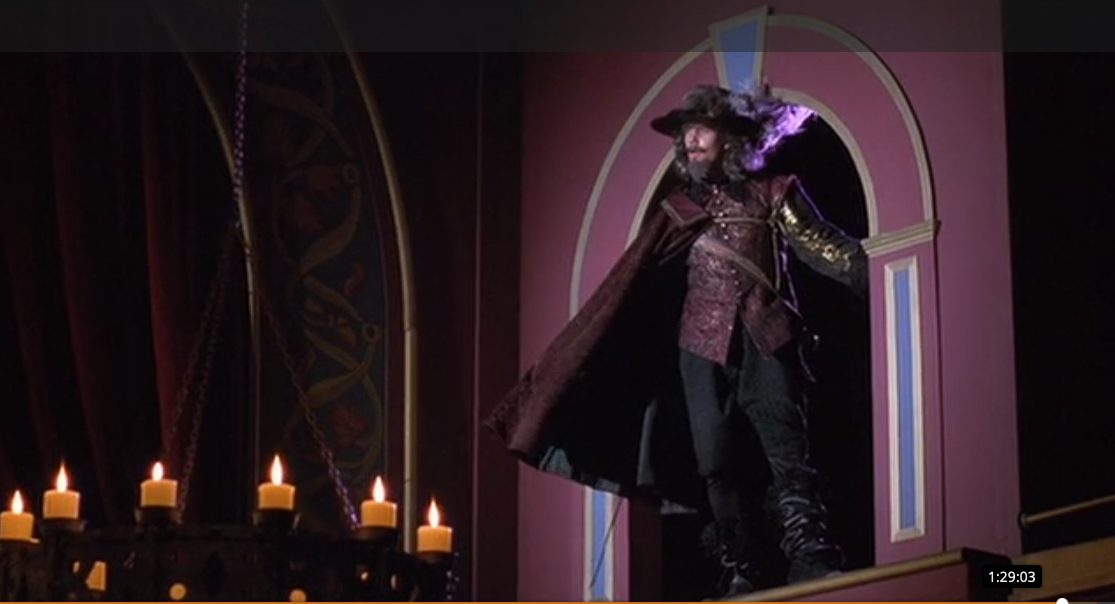
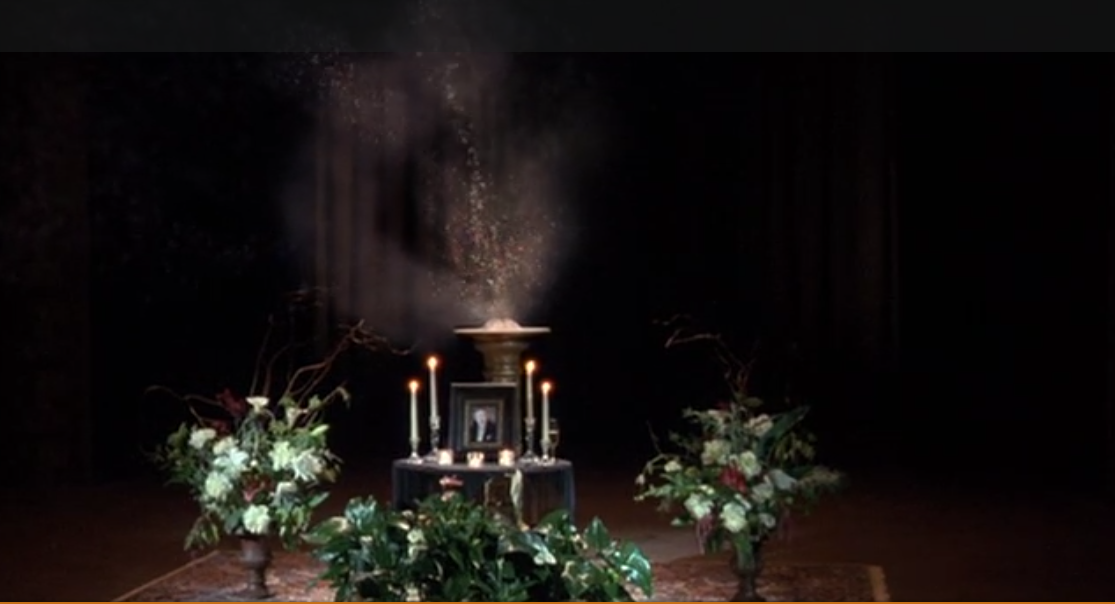
The film itself concludes as an inspired tribute/love letter to anyone who has ever identified with this world.
In spite of its many shortcomings, I hold this film as a favorite, not for what it turned out to be, but for what it tried to be.

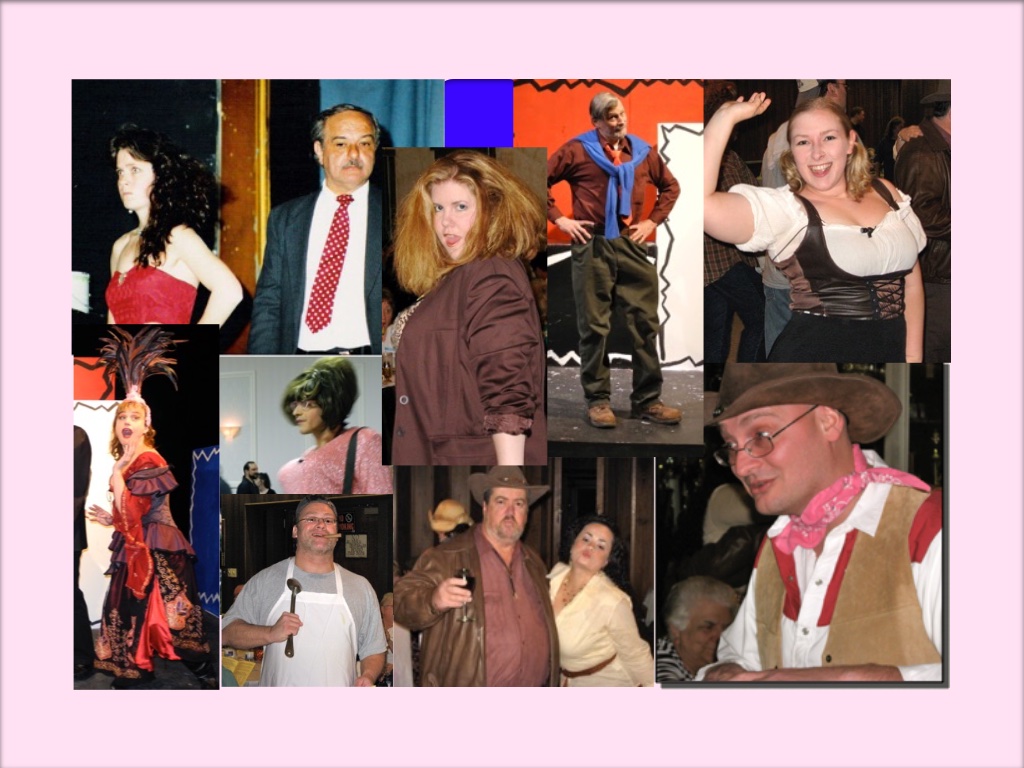
 Folks who know me at all, understand the theatre to be a part of my life. Certainly never as means of sustenance but rather for essential internal gratification…like breathing. I won’t use the term “amateur” as it tends to suggest a negative context.
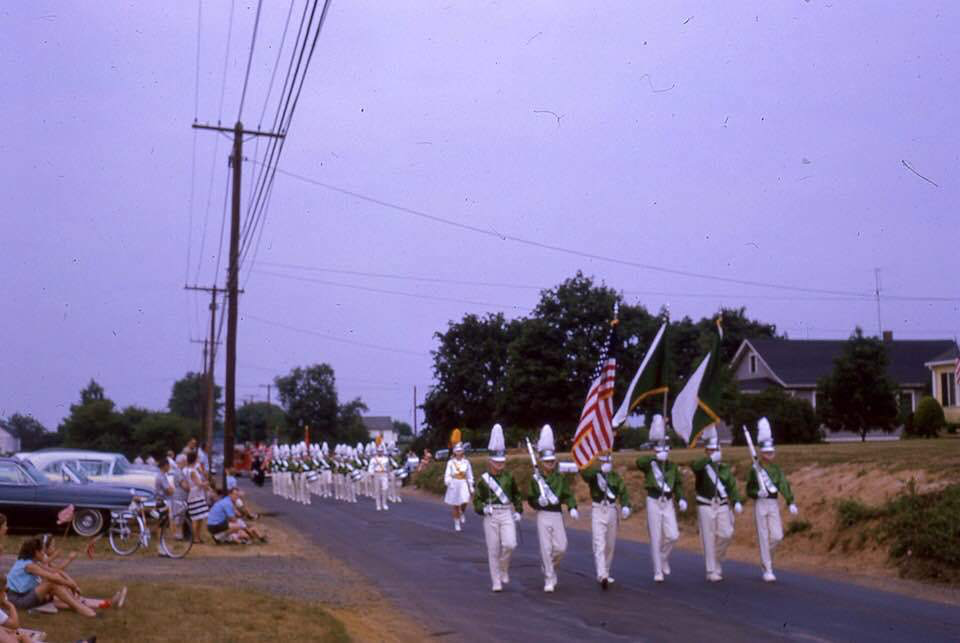 During my childhood, the Fourth of July was probably the most anticipated day of the year…other than Christmas, of course. My home town of


 billbenbarker