I recently retired after a 34 year career in public education. I was a teacher, supervisor, and administrator. Essentially, I enjoyed it all. The nonsense surrounding NCLB basically drove me to the edge...a good intention gone terribly wrong. In addition, I'm a founder (along with my late wife, Carolyn) of the Country Gate Playhouse community theatre in Belvidere, New Jersey. In recent years I've dabbled in writing interactive dinner theatre plays. I have also written a play called "Jersey Diner" as well as a youth oriented musical adaptation of "Tom Sawyer". Since "retiring" I'm an adjunct at our local community college. I also serve as a New Jersey school district education consultant.
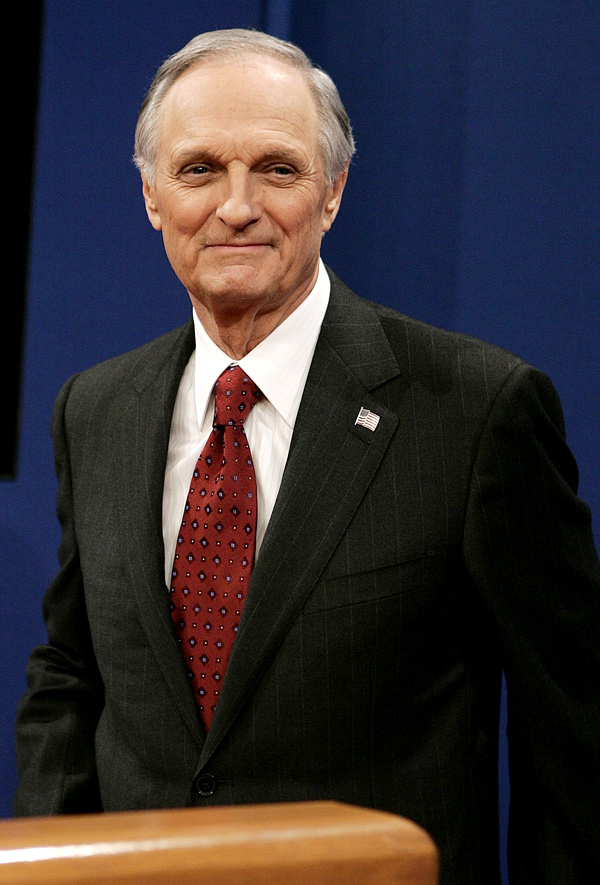
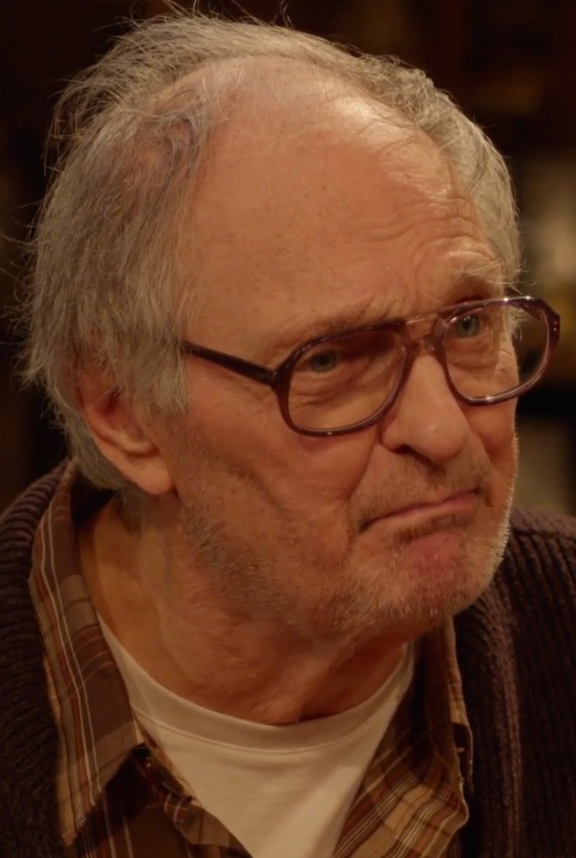
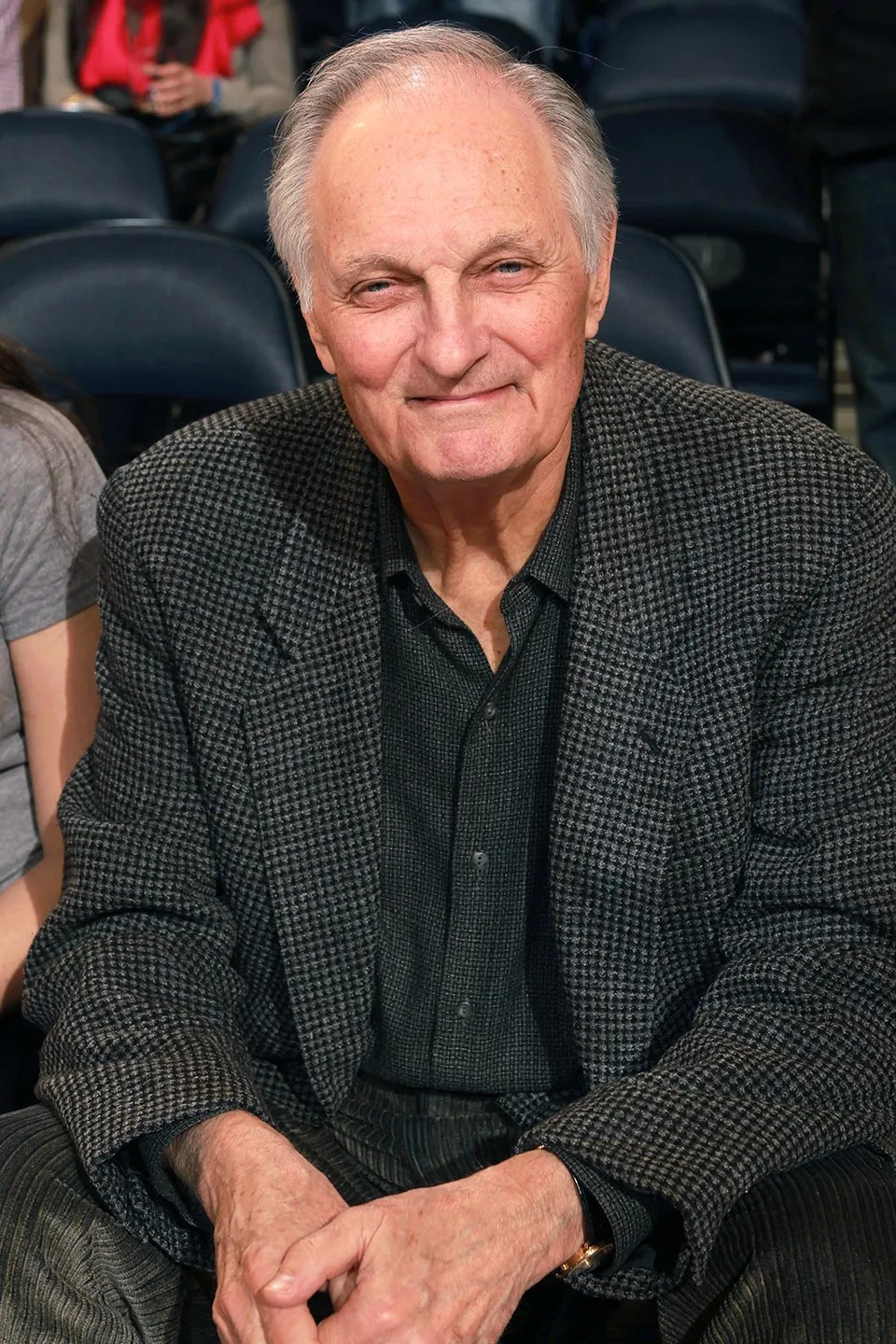
I’ve been doing a happy rewatch of the great television series, The West Wing– The show, created by Aaron Sorkin, is a utopian treatment of the U.S. Presidency. Although most of the series focuses on the fictitious President Jed Bartlet, played impeccably by Martin Sheen. The 7th and final season of The West Wing considers the presidential campaigns of those vying to be Bartlet’s successor. The Democrat, Rep. Matt Santos played by Jimmi Smitts and the Republican, Sen. Arnold Vinick, played by Alan Alda.
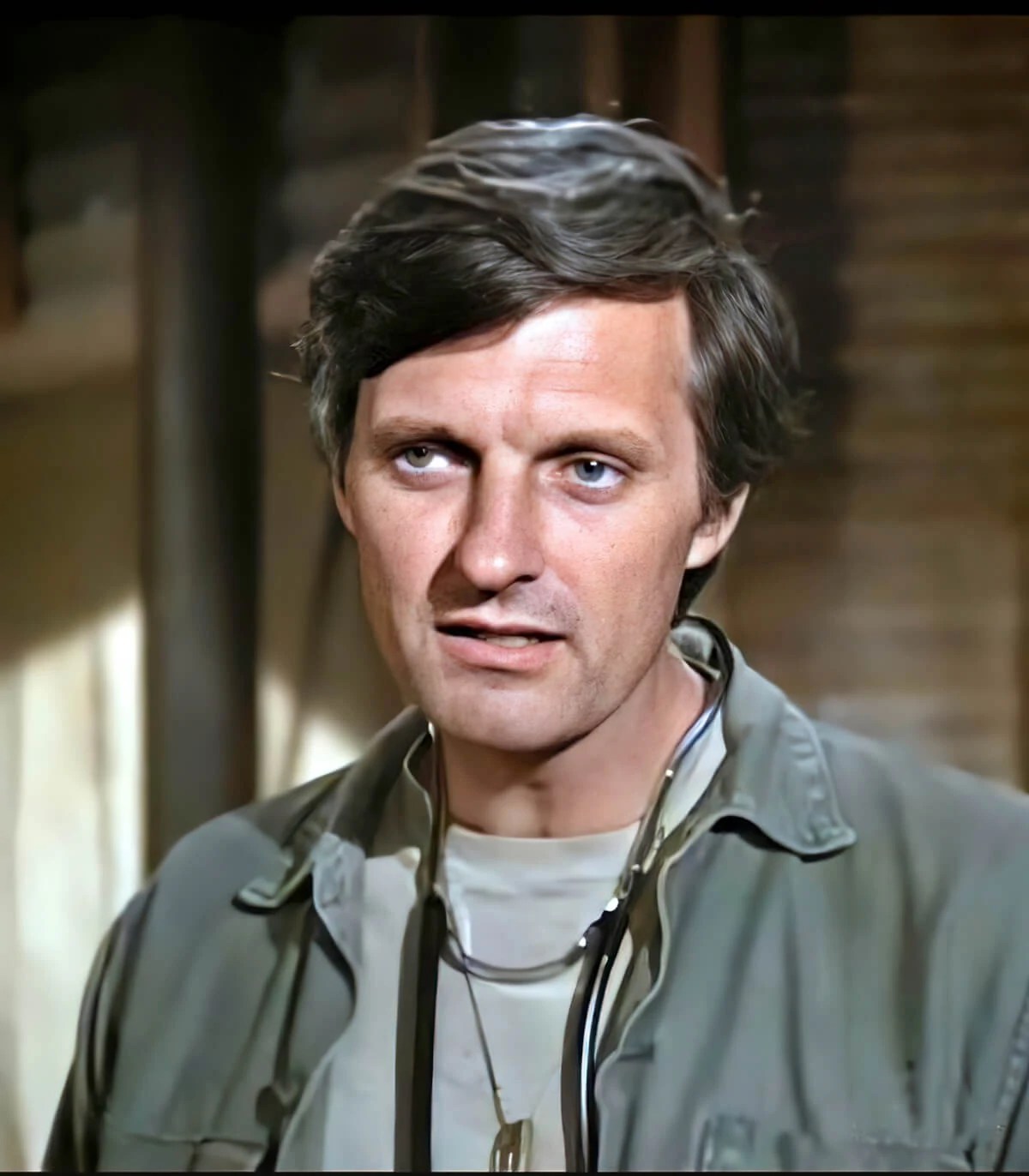
As I re-watched Alda’s performance, I was reminded of his enduring impact on me and my generation. He is an actor, gifted with an ability to convey both keen likability and subtle turpitude in manners so natural, that the illusion of the vehicle becomes trivial.
After success in sketch comedy and theatre, Alda landed the role of a lifetime….Captain Benjamin “Hawkeye” Pierce, in the television adaptation of M*A*S*H*— Hawkeye is a flawed character, played with brilliant comic humanity by Alda.
Since then his career has brought many turns…
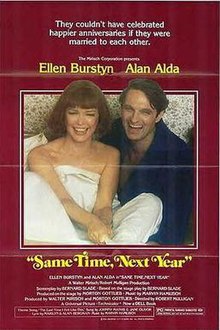
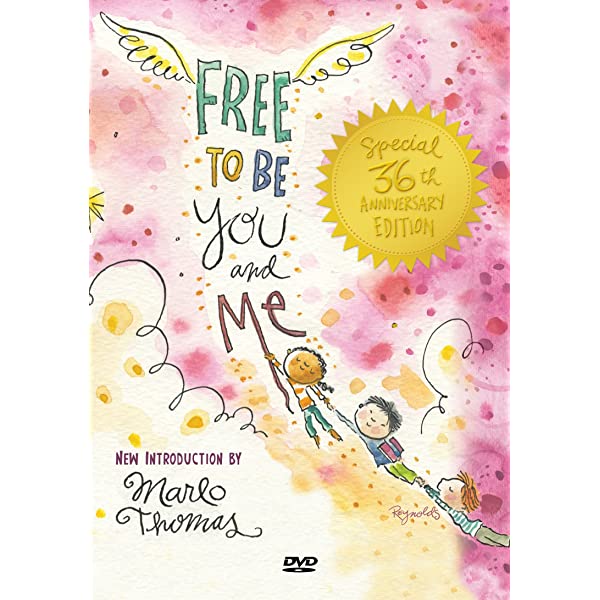
Same Time Next Year, Crimes and Misdemeanors, Free To Be You And Me, Horace And Pete, Ray Donovan….the list goes on.
But…Arnold Venice in the magnificent sunset of The West Wing—- …a politician, with a conscience—credible, affable, honest—-much like his portrayer— Alan Alda—an icon for our time.
As I’ve grown older, it’s become important that I continue to enlist in projects that challenge my creative force. I’ve always had a tendency to approach my world in a manner that might be considered somewhat askew. Most often this tendency has been manifested in a theatrical practice of one sort or other.
As a kid in my grade school productions….I was usually sitting with the masses on either side of the stage, while the best “readers” were always chosen to play the main parts…shouting incoherently and as loudly as possible, as they exalted the joys of Arbor Day. I resented it at the time, but now I get it. Those primary teachers didn’t want anything to do with a class play, but in those days it was a brutal expectation of both the school and the community. So of course, their strategy was to get the job done as quickly and painlessly as possible. I totally get it.
In high school, I discovered the theatre to be a productive outlet for me. My academic success, or lack of same, didn’t seem to matter. I excelled in this environment and was cursed to pursue the theatre as an undergraduate and beyond.
Regrets….I’ve had a few…. Of all the things I could have been good at….why this? Sadly, I look back on much of my education as wasted opportunity. Because I was confident as an actor and was provided plenty of positive reinforcement, I devoted every effort to that endeavor. At the same time, I neglected other areas of skill development which I know now, might have led to a more gainful adult existence.
Also, I think I was born a few years too early. Advances in technology which arrived at my middle age, might have provided me particular tools for greater diversity of success.
Okay…enough! I’m whining like a Texas Republican.
The bottom line….this theatre exploit was and is my thing. But even here, I have never been satisfied to follow the expected path. For one thing, I’ve had little ambition to be compensated for my work. Fifty-plus years of service in community theatre has been executed as a passionate volunteer. I don’t feel any remorse about this…not really….well, maybe a little. As a young adult, I was aware of the incredible competition in the performing arts. My parents had strongly encouraged me to be a teacher and, frankly, I never considered doing anything else. In retrospect, this lack of reflection might certainly have been a mistake. Chances are I would have eventually found a successful path in some aspect of professional theatre. It’s really a matter of semantics. I’ve seen many community theatre participants render highly competentperformances. And yes….there are those who call themselves “pros” who are anything but. Anyway, water under the bridge.
I enjoyed my career as an educator– and community theatre gave me the opportunity to engage in many aspects of the creative process. I’ve directed, acted, run tech, written and more.
In the ’80’s, I performed one-person plays about Teddy Roosevelt and Mark Twain. I exerted plenty of effort in these projects and felt they were successful. But I learned that most people who came to see them didn’t know what to expect. Some found them enjoyable and provided positive feedback. But, many others found the prospect of one actor “talking” for ninety minutes less than appealing. I believe this type of experience requires the viewer to make a deliberate effort to participate in the process. There is no instant gratification. This may have been my first realization that the delivery of a quality creative product can miserably fail in the court of public opinion. Still I found the experience meaningful and even revisited the experience this year with my portrayal of the attorney, Clarence Darrow. Again in ’22, the results were mixed: high appreciation from some, while most of the party-faithful stayed away in droves.
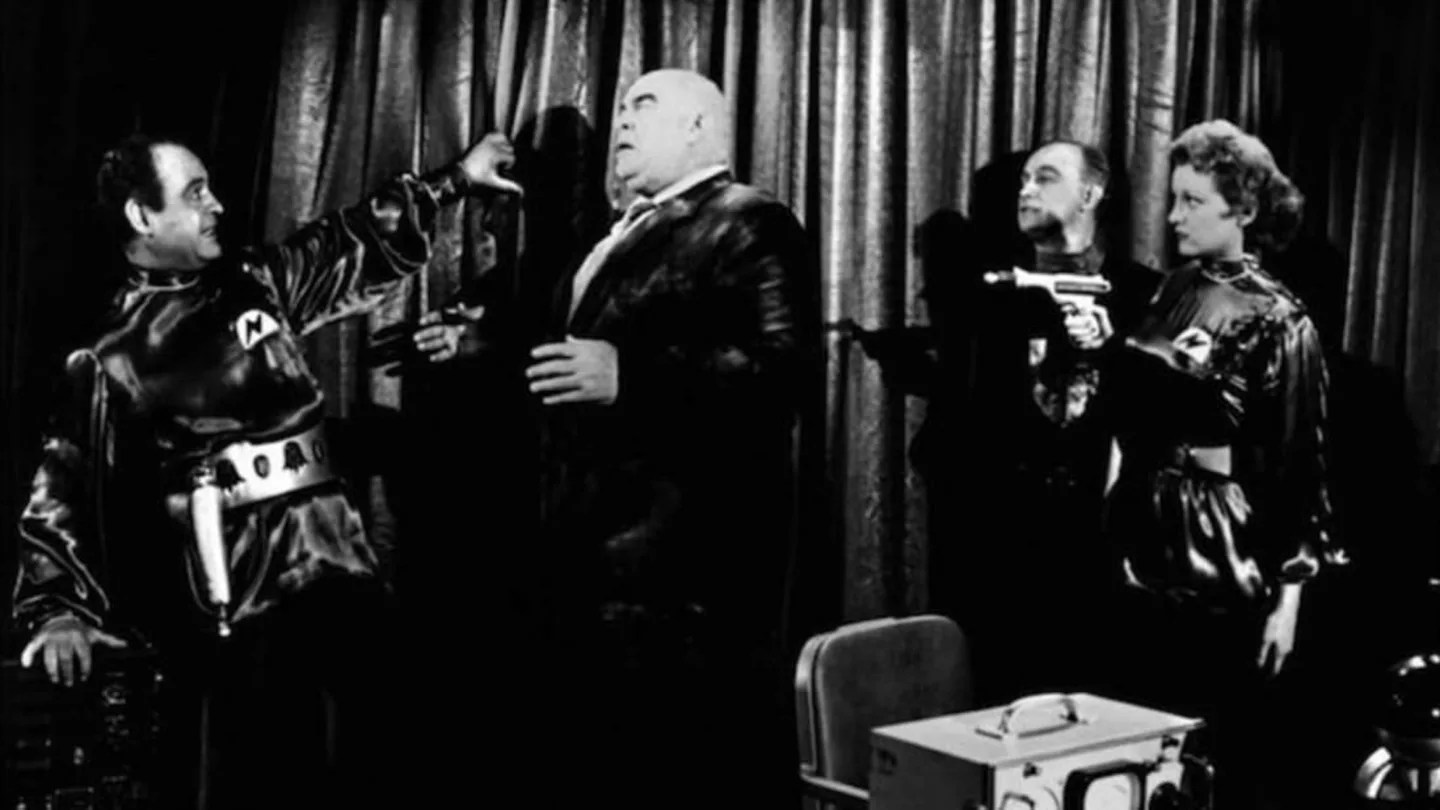
And so, finally, we come to The Plan 9 Experience. For many years I’ve been fascinated by the story and back-story of the Ed Wood cult film, Plan 9 From Outer Space. I remember seeing it as a kid probably around Halloween and wondering…. “what’s so scary about this?” As the years went by I learned much more about the film and its creator. Ed Wood, may have been in many ways, a visionary. He knew what he wanted to do. He was passionate about it. But, he lacked the resources to achieve his vision. So….he executed it anyway. In some ways, this is admirable. But sadly, his final product left itself forever vulnerable to brutal ridicule. Is it truly “worst movie ever made?” I don’t think so…not by a long shot. But, it became open season for treatments involving extreme satire…even from me.
That’s what hit me several years ago following yet another Plan 9 viewing. Our theatre had recently produced a successful production of the Rocky Horror Show. I wondered if some of the original “Rocky” elements could be applied to “9.” I was also aware that the Mystery Science Theatre 3000 crew had skewered the film with its unique brand of wisecracks. Maybe, I thought, these two approaches of parody could be combined.
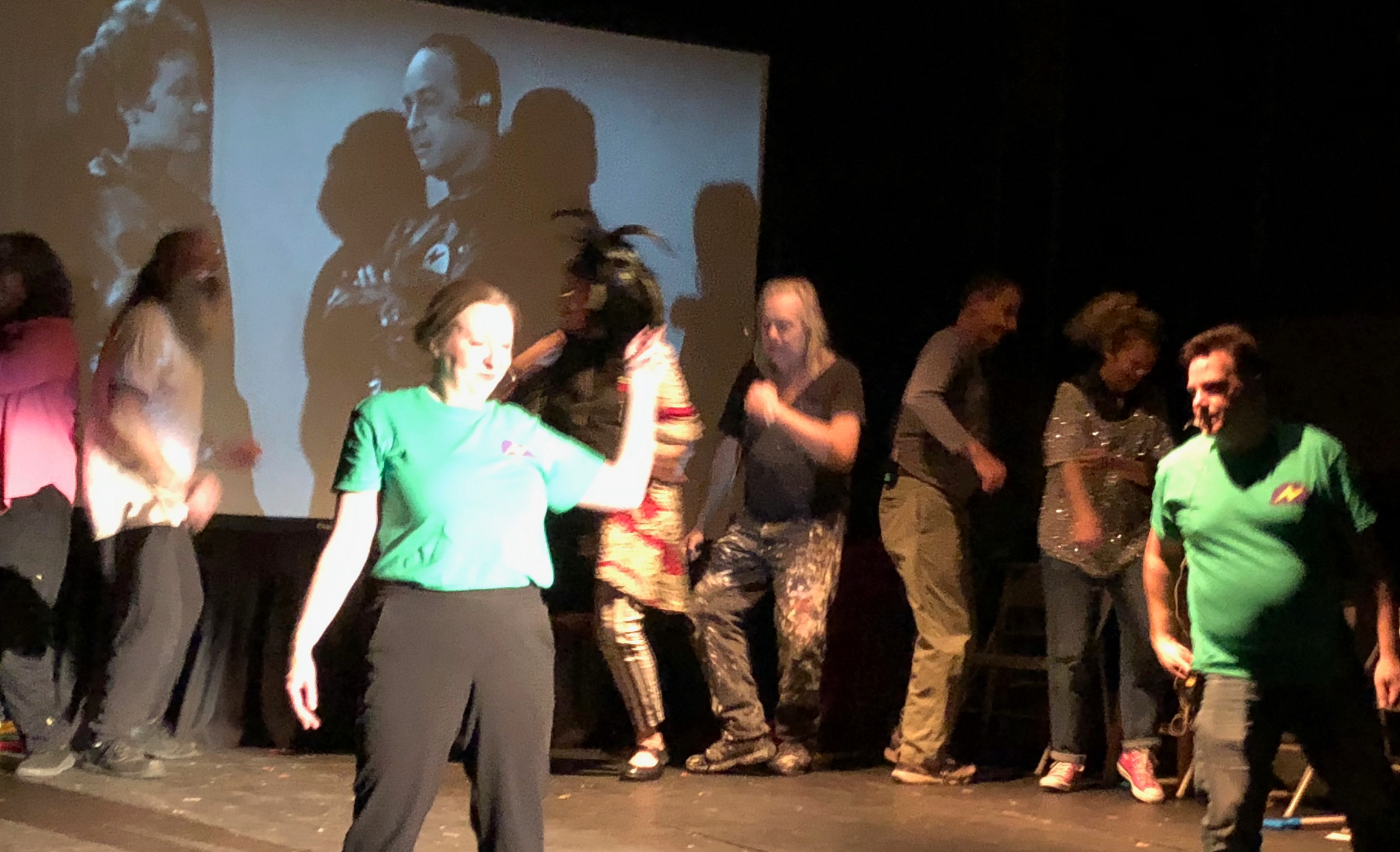
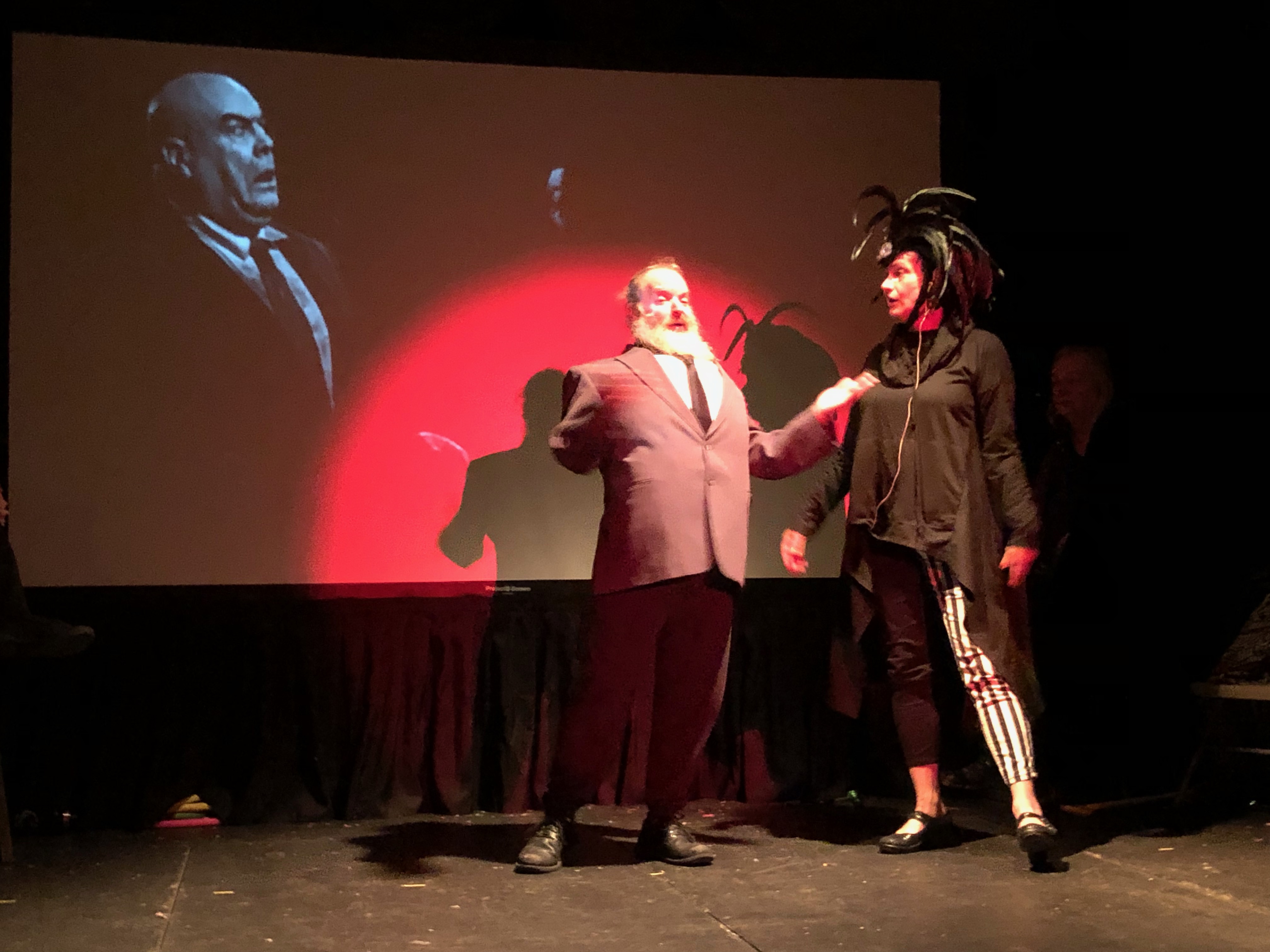
During the COVID-19 Pandemic (2019-2022) our theatre was closed. Over that period, I again extended my creative neck under the guillotine, producing online features such as Jersey Diner and several Zoom murder mystery productions. My main purpose here was to keep our theatre relevant through an online presence that would provide financial support. I knew we weren’t producing Shakespeare…but, I thought,…better than no existence at all. Maybe I had a little “Ed Wood” in me. But during this time my imagination also returned to the Plan 9 Experience. I decided to proceed by dicing the screenplay with one-liners, gags and song parodies. I recruited a cast of loyal online troupe members and proceeded into production.
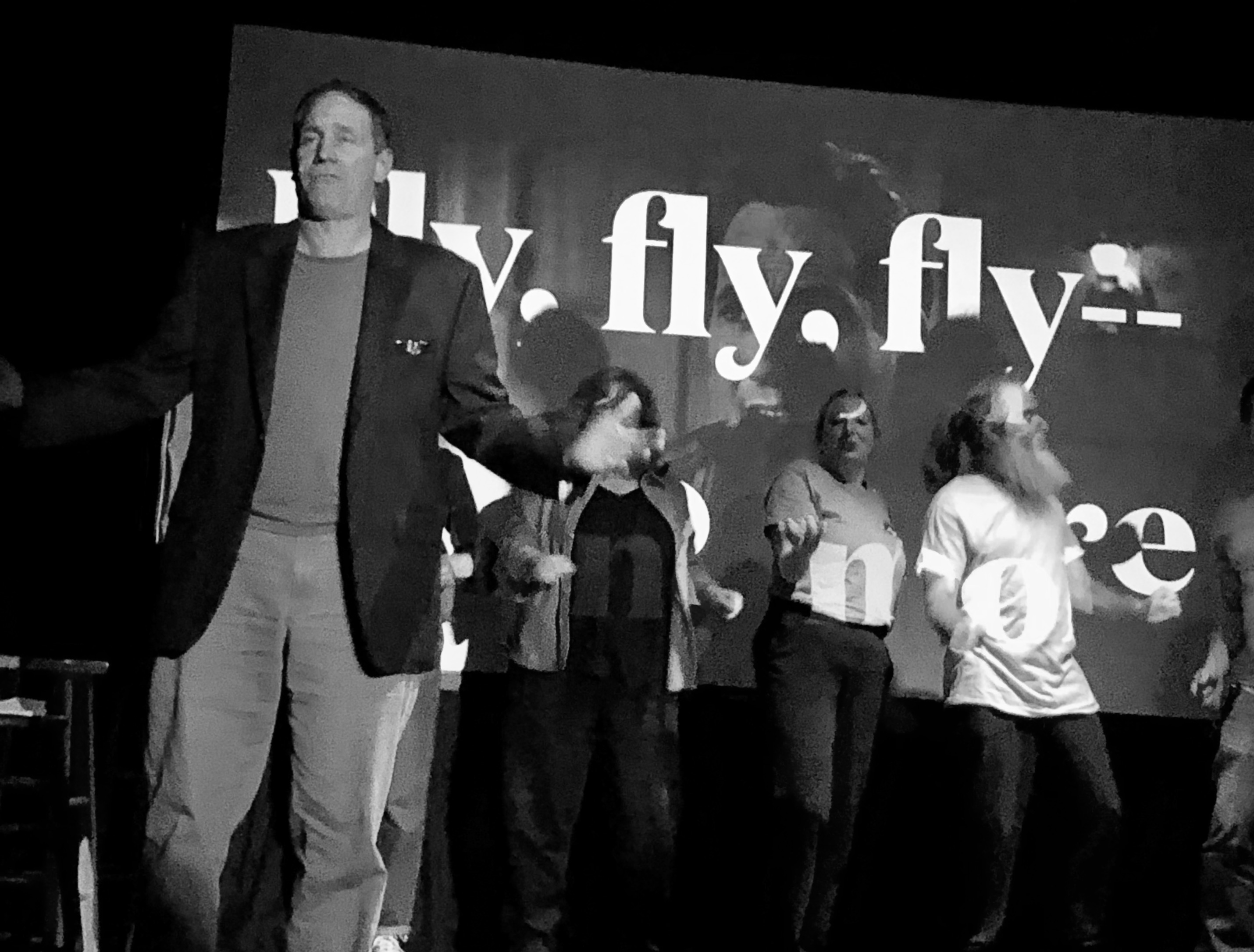
I found this to be quite a challenging effort. The film had long segments in which nothing much was happening onscreen. It was necessary, I thought, to do extensive editing. In the end, the film was cut down from 79 minutes to about an hour (including the five song parodies.) At first the cast had a difficult time fitting my scripted elements smoothly into the running film. Also, they were challenged by the indefinite karaoke tracks of the parodies. That issue became a huge under-estimation on my part. But….in the end….the cast members were troopers and rose to the occasion.
The audiences were small and for the most part, not very responsive. Again, I take responsibility. My initial intention was to do a little audience prep before the show began. But my own health issue (I came down with a case of COVID-19) stood in the way of that happening. I’m not sure it would have made a big difference, but it may have helped, somewhat. There were a few good audience responses though. When our friend Dan, as Inspector Clay called out “Marco,” a small voice from the audience echoed “Polo.” That person was on our wavelength.
Our cast did a great job in general and particularly with the song parodies. Their performances were top notch, in my view. But from the audience…. “nada.” Even when our ushers tried to start applause…. “nada.” Disappointing. I’m well aware that not everyone is aware or appreciative of the etiquette associated with the theatre. I believe it to be very possible that many of our audience members were witnessing a live performance for the very first time. These folks had come to see a bad horror film…. and “gosh dang it” that’s what they wanted to see. Perhaps the songs and wisecracks threw them. I’m not sure.
In any event, I felt that much of our audience didn’t really “get” what we were trying to do. Sad. But, on the other hand… like my one-person play experiences of long ago: good process produced a good product; our company grew from the experience; and most of our rank and file didn’t show up. Happy Halloween!
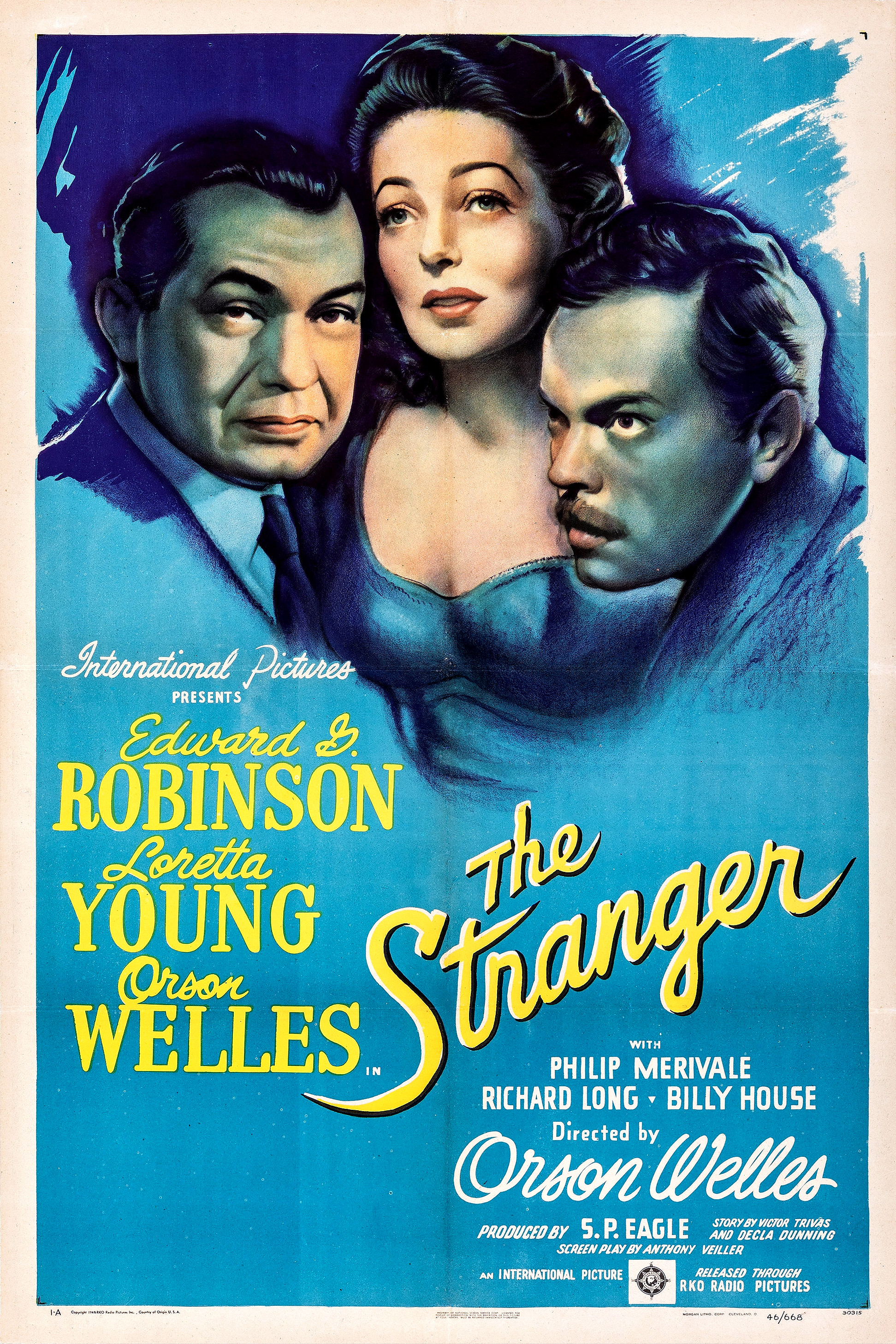
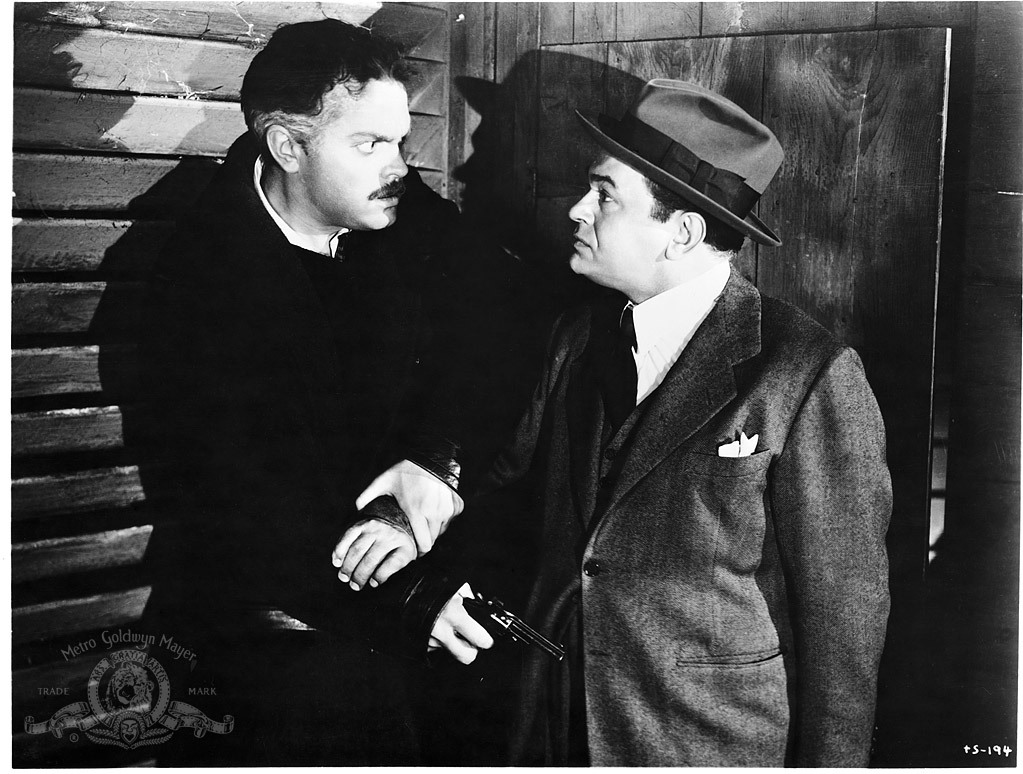
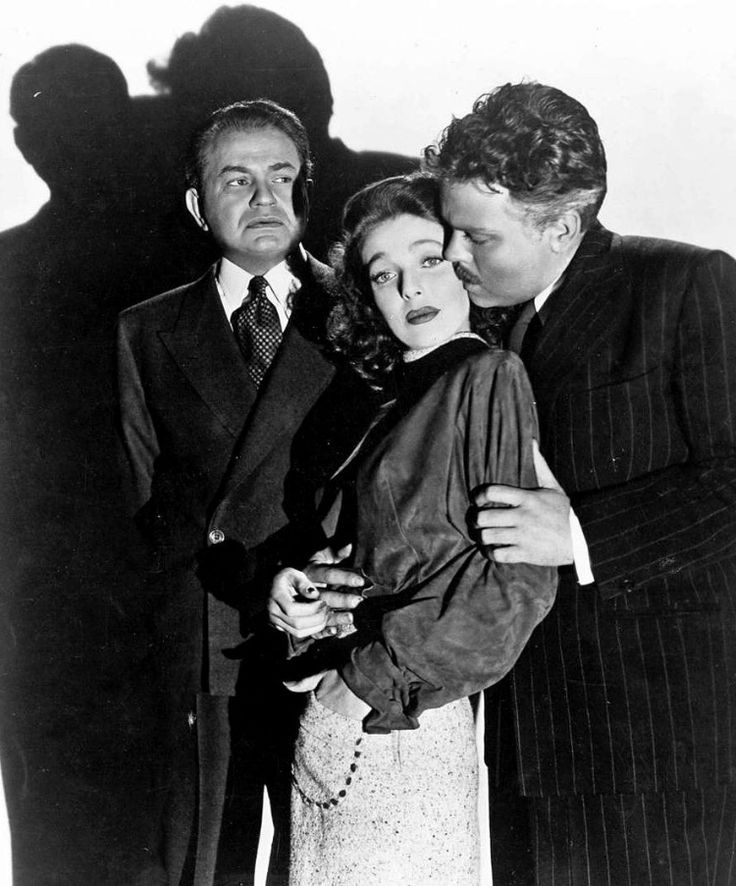
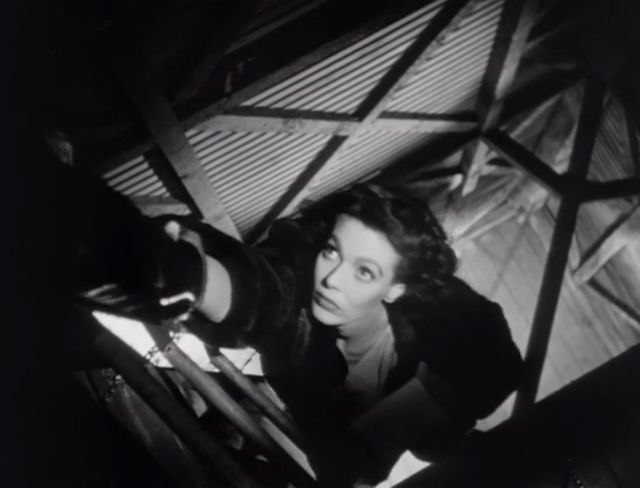
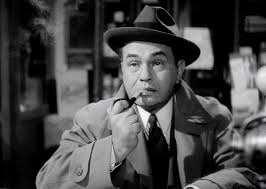
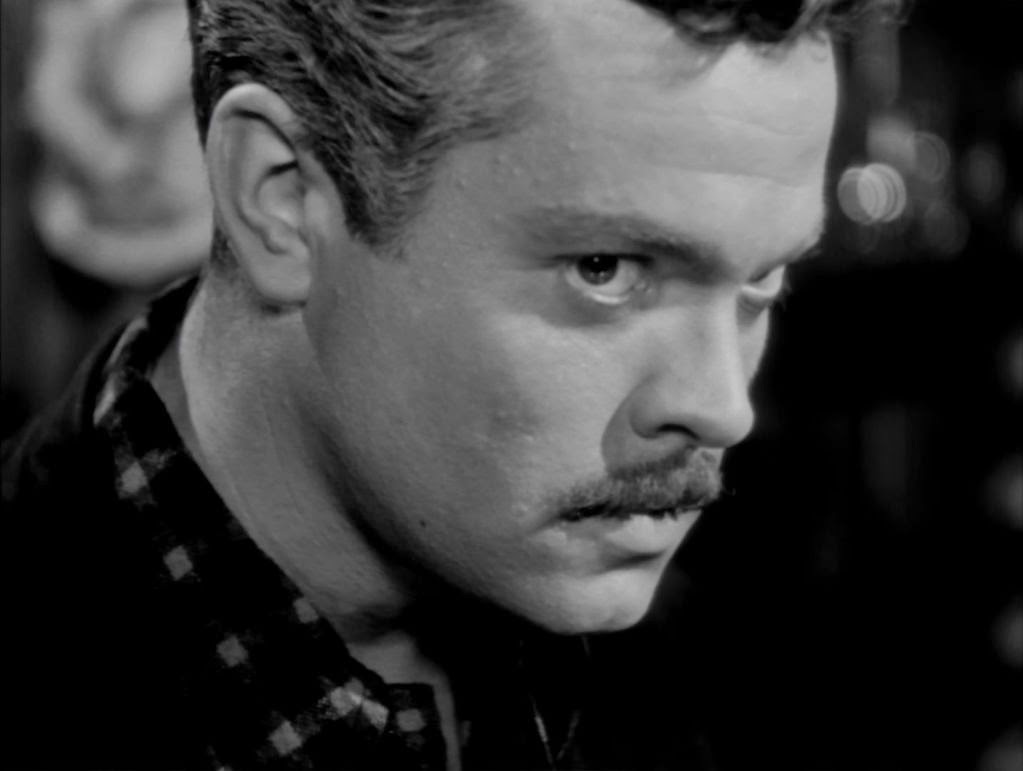
I recently rewatched the 1946 film noir, The Stranger. I found the movie to be intense, suspenseful and incredibly thought provoking. The film stars Edward G. Robinson, Loretta Young, and Orson Welles. Mr. Welles also directs. The film concerns a war crimes investigator tracking a high-ranking Nazi fugitive to a small Connecticut town. It has the distinction of being is the first Hollywood film to present documentary footage of the Holocaust.
As an adult I became well aware of the Nazi vision for the new world order. But my early academic study of history fell far short of apprising me as to the atrocities associated with the “Final Solution.” Admittedly I wasn’t a very good student in my formative years, but I find it hard to believe that such a tragic agenda would not have grasped my attention. I went to high school in the ’60’s. I was a Baby Boomer, afterall. World War II was a relatively recent memory. Still…nothing.
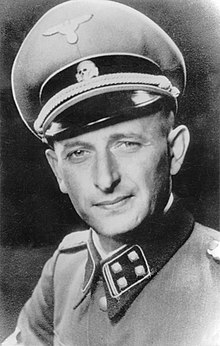
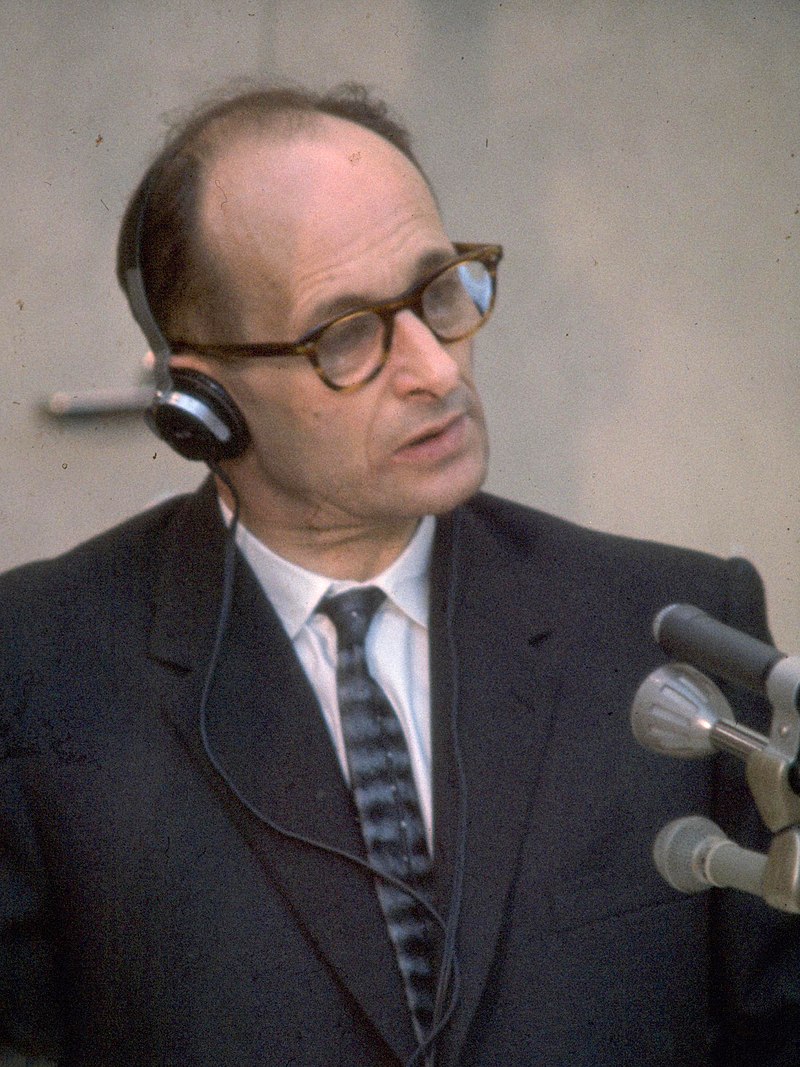
Eichmann at “work”NAZI WAR CRIMINAL ADOLF EICHMANN SITTING IN A GLASS CELL, AT HIS TRIAL AT BEIT HA’AM IN JERUSALEM…צילום תקריב של הפושע הנאצי אדולף אייכמן בתוך “תא הזכוכית” המשוריין, במשפטו שנערך בבית העם בירושלים.
I do recall watching the television news regarding the 1960 capture and subsequent trial of Adolf Eichmann, one of major organizers in the Nazi plan for the extermination of Jews. His trial was on the news every night and my parents tried to explain to me his actions and their repercusions. I guess that’s when I finally started to “get it.”
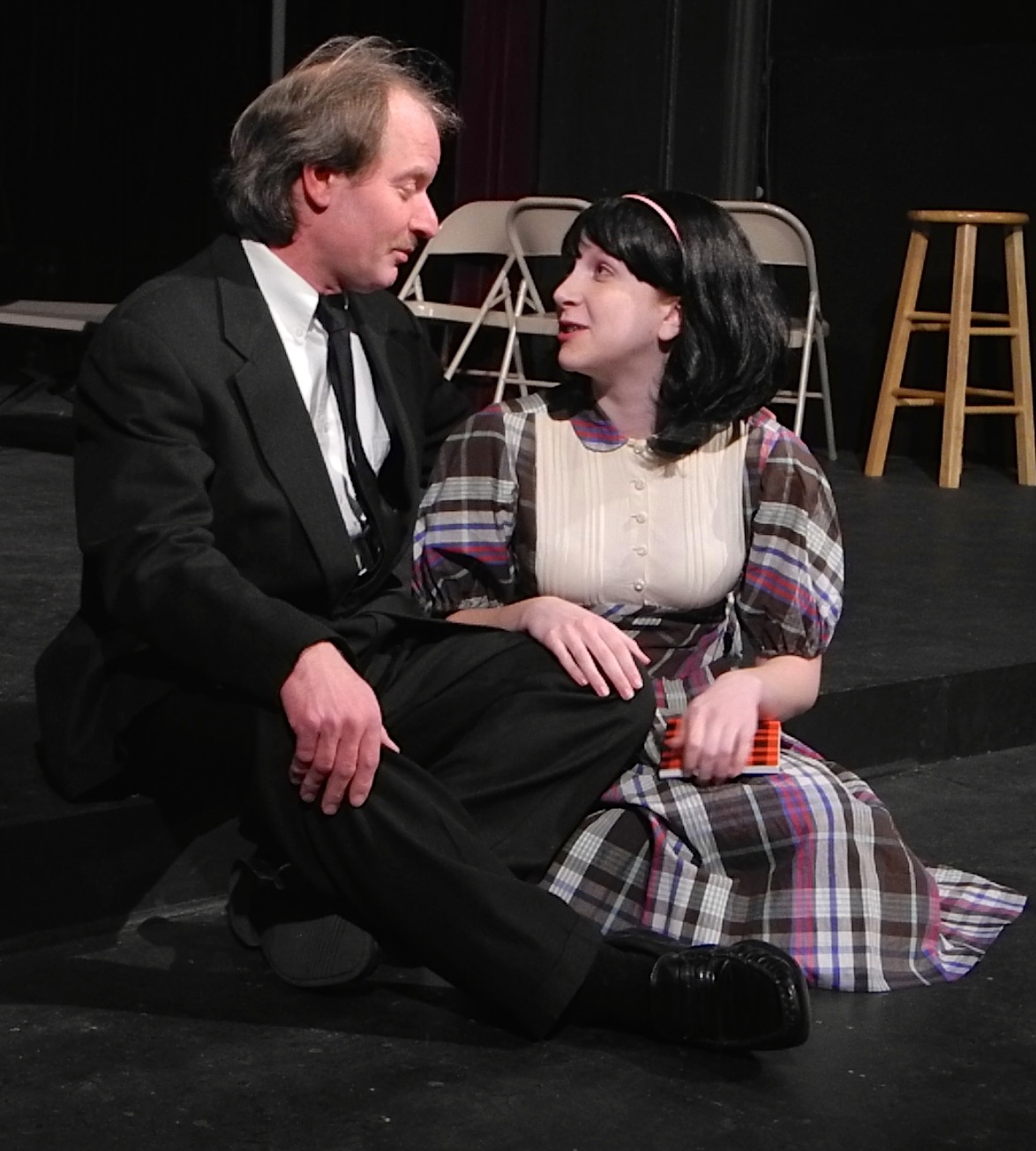
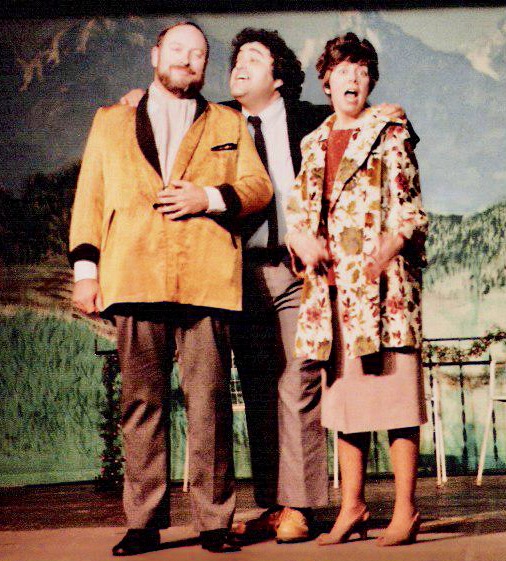
Vanessa RedgraveDan and Paige in Anne FrankAl, some loser and Debbie in The Sound of Music
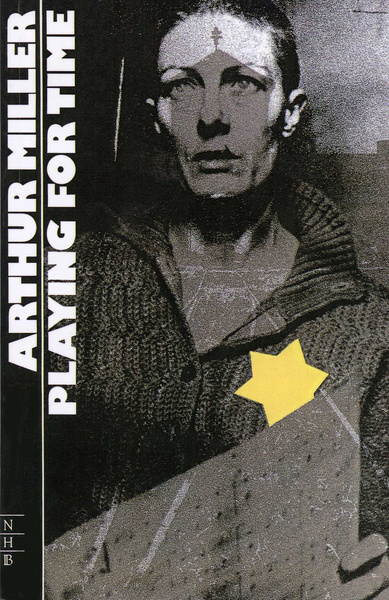
As with just about every historical event, my study has been motivated by various theatrical productions on which I’ve worked. Productions of Playing For Time, The Diary of Anne Frank and even The Sound of Music solidified my understanding. I think it took a long time to really penetrate my consciousness, because I found it impossible to believe that human beings could do such things to other human beings.
In studying the culture of The Stranger, it became apparent that many average citizens were also less than cognizant of the Nazi goings-on. The inclusion of the death camp documentary footage in the film was a revelation. Some refused to believe. Even today, some refuse to believe.
At his trial Adolf Eichmann acknowledged the existence of the Third Reich activities, but defended himself by saying he was “only following orders.” In The Stranger, Orson Welles’ Franz Kindler echoes the same sentiment.
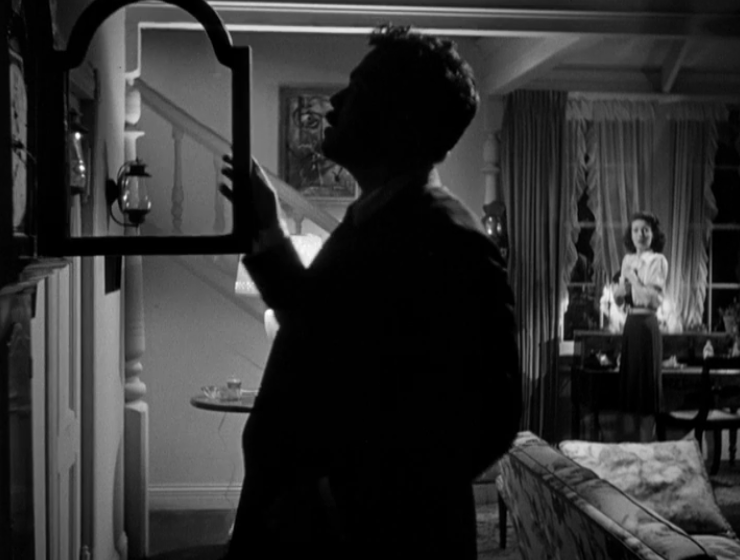
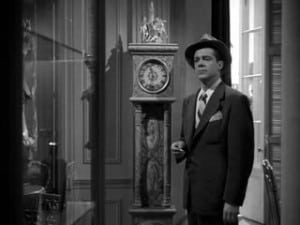
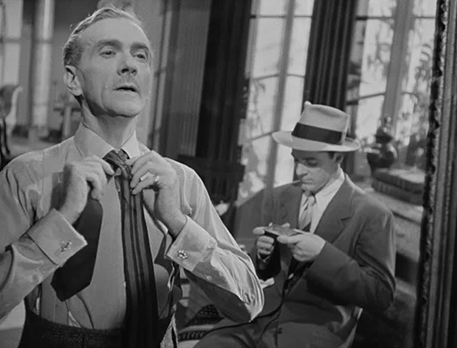
In the movie, Mr. Wilson, played by Edward G. Robinson, is an agent of the United Nations War Crimes Commission. He is hunting a Nazi fugitive, Franz Kindler (Orson Welles.) who has erased all evidence which might identify him, with the exception of an obsessive hobby…. a mania for—clocks.
Orson Welles and Edward G. Robinson
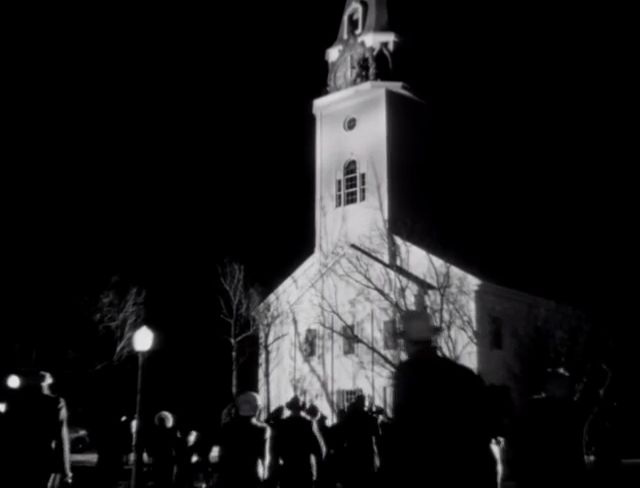
In an effort to track down Kindler, authorities release from prison a former Nazi associate, Konrad Meinike. Wilson follows Meinike to the quiet town of Harper, Connecticut, and that’s where the suspenseful chase begins.
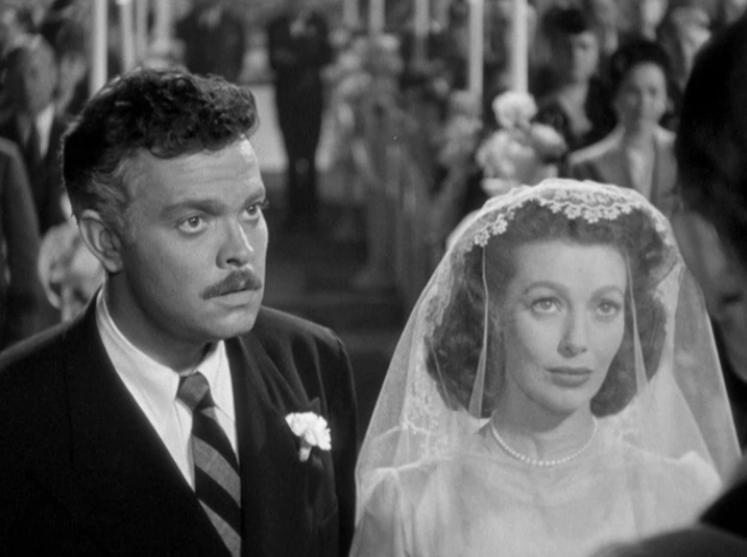
Kindler has assumed a new identity as “Charles Rankin,” and has become a teacher at a local prep school. He is about to marry long time Harper resident, Mary Longstreet (Loretta Young). For all intents and purposes he has become a model citizen.
Orson Welles and Loretta Young
But this is a classic film noir. In spite of the absence of a femme fatale, the Welles character is the victim of a self-obsession exceeding the wiles of any seductress.
As the audience, we see the Rankin/Kindler character slowly disintegrate before our eyes. First… a realization that Meinike has been released for the sole purpose of leading authorities to him. Then…a series of actions employed to save himself, which instead lead to his ultimate fall from grace.
The distinctions we have come to expect in film noir are expertly executed here. Shadows of danger vividly implemented, stark camera angles, creative use of mirrors reflecting beyond the characters’ physicalities and brilliant contrasts of light and dark imagery.
The Stranger is five years following Welles’ iconic Citizen Kane. The revolutionary technique of deep focus photography developed by Welles and cinematographer Gregg Toland exhibited in Kane, has been modified and improved here with stunning results.
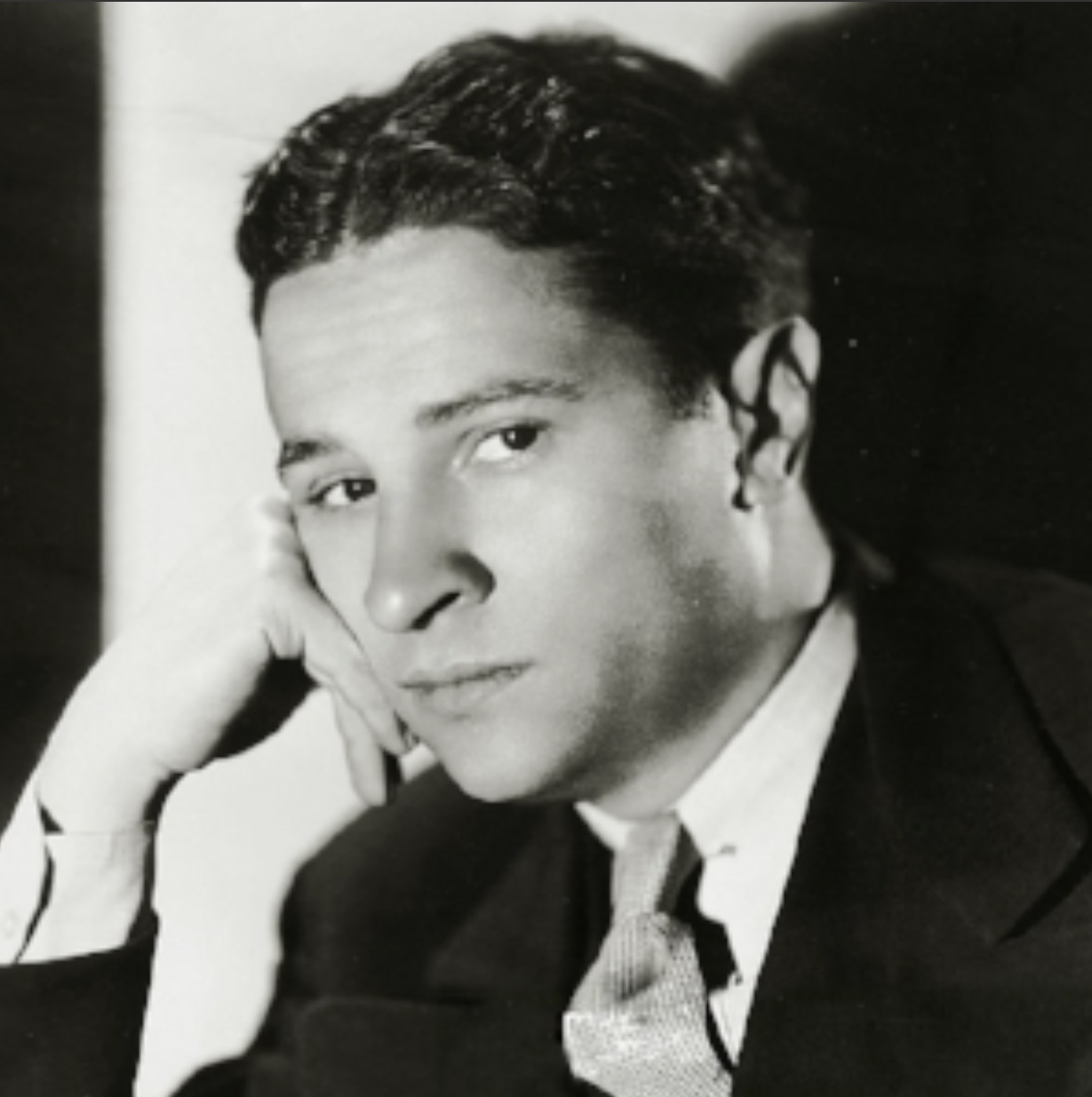
The film’s writing is well paced and engaging. Credits include Anthony Veiller (screenplay), Victor Trivas(adaptation ) and Decla Dunning(adaptation.) John Huston and Orson Welles, himself, are uncredited contributors.
TrivasVeiller
The unlikely prospect of a monstrous Nazi living among the good people of Harper, Connecticut is a principal theme in the film. At one point, Mary Longstreet says “In Harper there’s nothing to be afraid of.” And as he builds a case against Rankin/Kindler, Wilson expresses the notion that Nazis “look like other people and act like other people.” But indeed the monster is present and his downfall provides a stark and suspenseful narrative.
Loretta Young
Loretta Young is the epitome of innocence in her role as Mary Longstreet, the faithful (to a point) wife. She embraces her loyalty with an intelligent naivety. Young’s acting is strongest as her character finally puts the pieces of the puzzle together and her emotions collapse.
Edward G. Robinson
We know Edward G. Robinson primarily as a tough guy in his performances in such movies as Little Caesar and Key Largo. But his versatility is on display in The Stranger…. a low key, controlled portrayal that is highly effective.
Orson Welles
Orson Welles is magnificent in the role of the Nazi mastermind. He may “look like and act like other people,” but we see and feel the monstrosity beyond his appearance. Welles would only agree to play the role, if he could also direct the film. In 1945, Orson Welles was regarded as a loose cannon….. temperamental and unable to stay within a budget. The producer, Sam Spiegel, decided to take a chance on Welles as a director….but only with tight restrictions. As a result, much of the original shooting script was cut…and Welles’ vision for the film was drastically minimized. Understandably, he considered it his least favorite film. Ironically, The Stranger is the only Orson Welles’ directed box-office success.
Robinson, Young and Welles
I like the movie very much. I think it’s a highly engaging film to view. I also believe it stands up as a brutal reminder of man’s inhumanity to man. If you’ve never seen it, I highly recommend you give it a look. And…even if you have seen it, it might be worth a rewatch. Please feel free to like and comment. I’d be very interested in hearing your take.
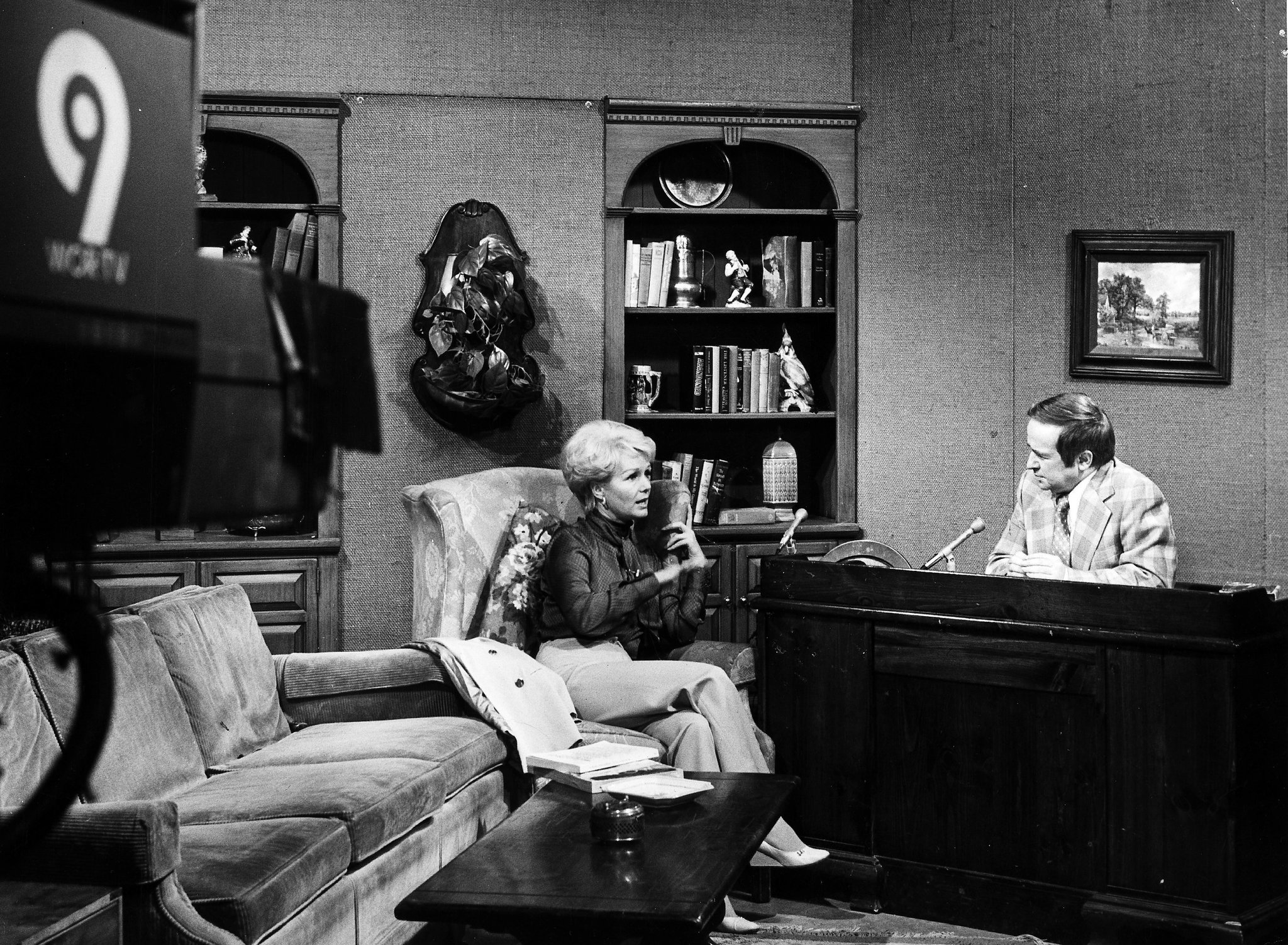
I think my first memories of watching silent movies were on “Joe Franklin’s Memory Lane” This was tv show that was produced locally on New York City television. I think the show aired from the ’50’s right through the ’90’s. Joe Franklin specialized in nostalgia…he’s actually credited with inventing the television talk show. He had a desk and a couch and many guests, both known and unknown. Some panelists were up-and-comers, while some were from yesteryear. Guest singers would rarely perform live. Rather, a recording was played, and the camera would pan the the panel (supposedly listening,) who chatted off microphone. It was pretty odd. But…he did have some great guests…Bing Crosby, Fay Wray, Fred Astaire, Judy Garland and the like. Stars from the 30’s, and 40’s. I loved it . Even as a kid I was a nerd.
Debbie Reynolds with Joe Franklin
But…Joe Franklin also featured silent film shorts. I looked forward to these segments. I found them diverting because to me they were so different from standard television fare. I would try to figure out the silent dialogue, before the title cards appeared. As I grew older and Joe Franklin passed-on to nostalgia heaven, opportunities for me to experience silent cinema became far fewer.
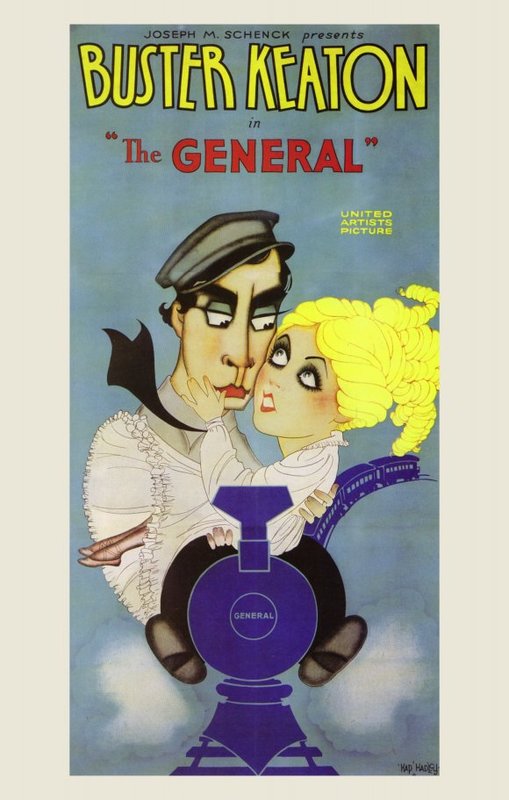
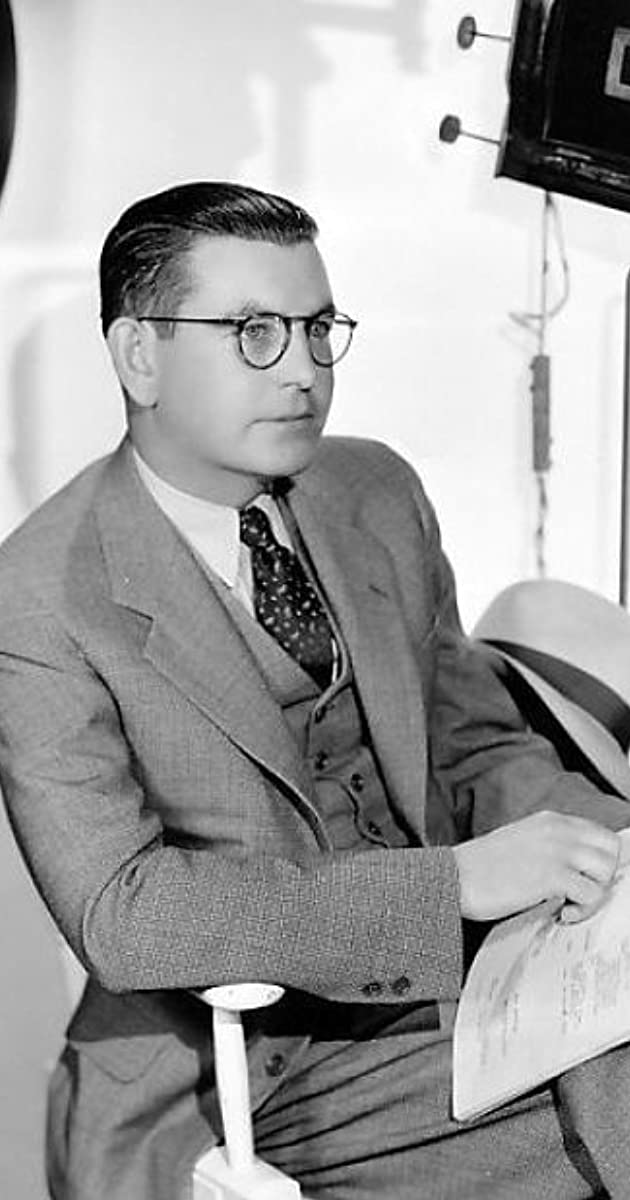
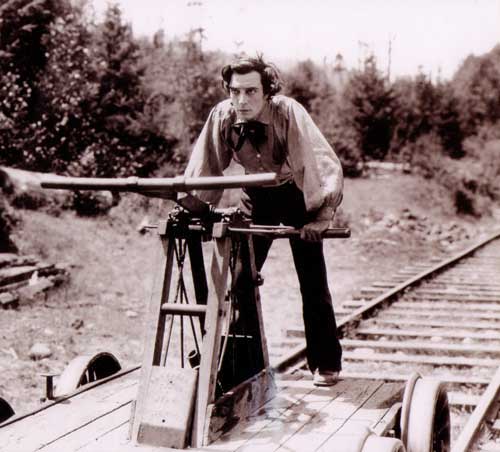
Fortunately, I recently had the chance to re-discover, a film considered to be a masterpiece in the genre…The General from 1927. This film stars the legendary Buster Keaton, who co-directed with his colleague, Clyde Bruckman.
Keaton and Bruckman
Upon its release, the film was unsuccessful, both critically and financially. Its failure is regarded as the main reason Keaton lost his independency as a filmmaker. But over the decades, The General has grown significantly in cultural merit. I totally enjoyed my viewing experience, which has rejuvenated my appreciation for these artistic pioneers.
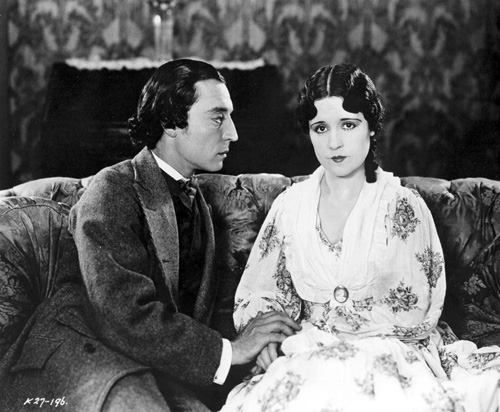
The movie is based on real life Civil War experiences as recalled by William Pittenger in his 1889 memoir, The Great Locomotive Chase. The story revolves around hapless railroad engineer, Johnnie Gray (Keaton) , who bumps and waggles an array of Union soldiers after they steal the “General,” his beloved train engine. In addition, Johnnie’s girlfriend, Annabelle, is accidentally captured while on the train. So the stakes are high for Johnnie-boy as he commically pursues the train through multiple forms of transportation. Buster Keaton’s physical prowess and dexterity are on high display here.
Keaton as Johnnie and Marion Mack as Annabelle
But The General goes well beyord the laughs. It integrates Keaton’s comic brilliance with a story of war, death and man’s vindication. The great director, Orson Welles, has suggested the Civil War scenes in The General may be the best visual reflections of that conflict ever created. It is my thinking that inclusion of these serious themes, may have been the cause of the film’s initial rejection. Folks who bought a ticket to laugh, found themselves thinking about serious issues as well. Maybe they weren’t ready for that.
The film is impressive on so many levels: multiple stunts and gags on a MOVING TRAIN! C’mon; no computor generated graphics….It’s all real; and no stunt doubles..Keaton performed all his own exploits. Cray!!!! Cray!!!!
Finally, we see strong character develpment in this movie. Johnnie Gray’s initial rejection by his circle is finally redeemed through his own perseverance and hard work. It’s really quite inspiring.
I found it necessary to watch the film twice. Initially, the lack of dialogue caused my mind to wander. It was difficult for me to follow. Second time through, I was able to focus on the visual array of delights. It was a truly a wonderful experience. I recommend it.
For most of my life, I’ve enjoyed watching movie musicals. I know that puts me in a 21st century minority, but I can’t help myself. There’s something about those old-timey kickline romances that just gets to me. The fact that there was never much of a plot-line and rarely any redeeming social value, just added to the appeal. Back in the old days, folks loved that stuff. In fact, during the Great Depression of the 1930’s and into the ’40’s, people who were struggling, still managed to dig-up the 30 cents for a ticket to see Judy Garland, Mickey Rooney, Dick Powell, Ruby Keeler or Ginger Rogers sing and dance to the moon and back.
Sociologists attribute this to the idea that these films served as a bridge over troubled waters (sorry Paul.) It was an opportunity to forget personal hardships for an hour or two, and get lost in pure diversion.
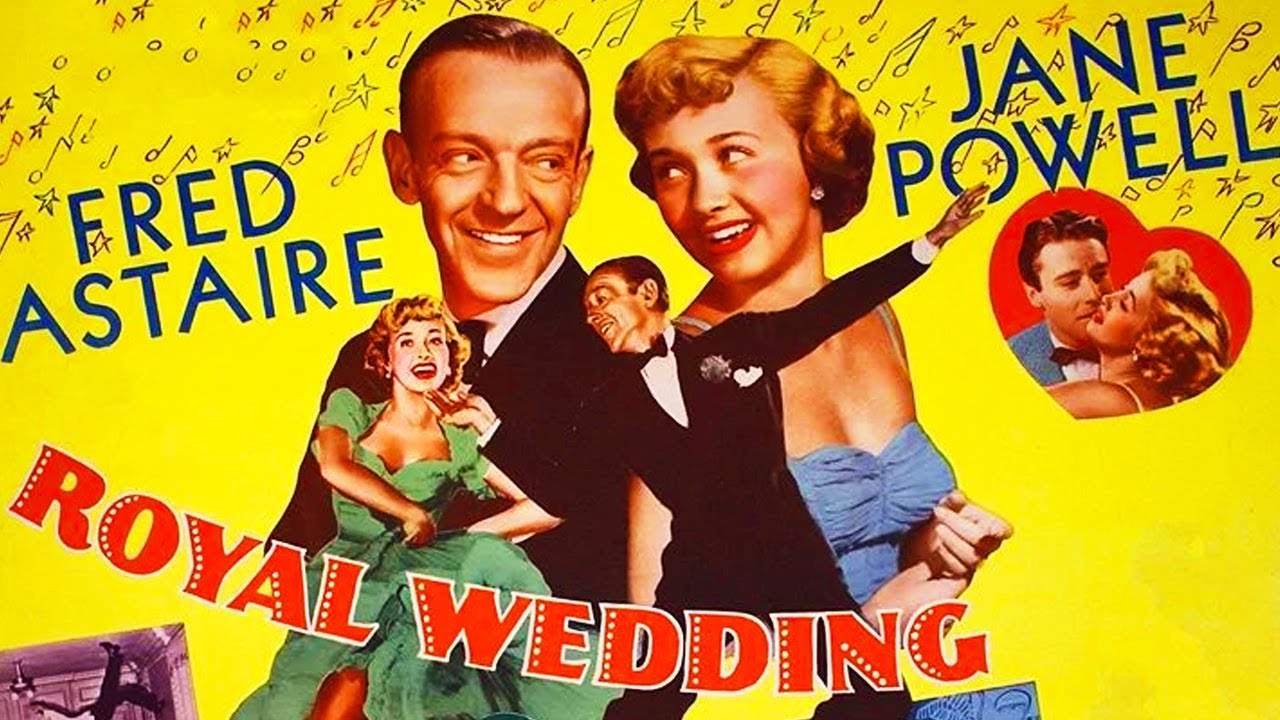
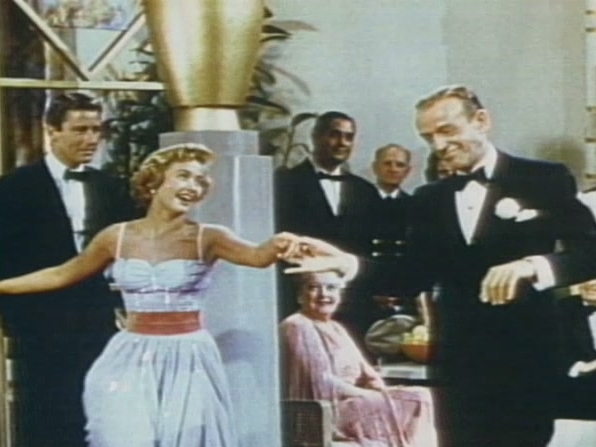
When Royal Wedding was released in 1951, the vintage movie musical was still thriving, but its popularity may have begun to wane. Still, the Fred Astaire – Jane Powell vehicle was a huge hit for MGM studios. It’s premise—- a brother and sister dance team, Tom and Ellen Bowen (Astaire and Powell) are about to conclude their hit Broadway show, Ev’ry Night At Seven, when their agent (Keenan Wynn) books them for an extended run in London. The timeline for the British engagement coincides perfectly with the 1947 real-life wedding of Princess Elizabeth and Phillip Mountbatten. Because Americans were as obsessed with the Royals then as we seem to be still, nuptually-fevered London serves as a perfect backdrop for the film.
Princess Elizabeth and Phillip Mountbatten
Simply, the plot surrounds the siblings’ romantic adventures during and following their transatlantic boat ride. In truth, the plot is quite thin. I would venture to guess, one could enter the theatre an hour into the film and immediately be caught up. But that doesn’t matter. The movie is delightful.
The production values are dazzling (especially for its time.) With a somewhat early application of “Technicolor”— Cinematographer Robert Planck brings high energy to the London exteriors and elegant interiors. The costumes by Helen Rose are exquisite, particularly for the women. Astaire, as usual, is stylish in his tuxedoes and formal wear. But the dated rehearsal and casual outfits seem distracting at times. The music by Burton Lane and Alan Jay Lerner is tuneful and memorable. I find myself humming them afterward…the ultimate test. The direction by Stanley Donen is, for the most part, on target. He seems to have a solid understanding of how to convince an audience that the essentially fanciful premise of a musical…is, in actuality, realistic enough to be acceptable.
But Royal Wedding works primarily and chiefly because of the performances. It is a fine cast that seems totally comfortable in front of the camera.
Peter Lawford, as Lord Brindale, is likable and charming as the Powell love interest. The script doesn’t give him much to do but he does it well.
Lawford
Sarah Churchill, plays Anne Ashmond, a showgirl to which the Astaire character takes more than a shine. She does well in the supporting role, delivering a credibility that lends itself well to the musical. Sarah Churchill is the daughter of Sir Winston Churchill, the former Prime Minister of England. This was news to me. Fascinating!
Churchill
Albert Sharpe, the well known British character actor, is perfectly cast as Anne’s wayward father, Jaimie Ashmund. Very focused and extremely funny, I found myself wishing there was more of him.
Sharp
Keenan Wynn, plays a dual role as the Bowan’s agent Irving Klinger and his London-based twin brother, Edgar Klinger. Wynn is servicable in the roles and provides some funny moments. But, the character development might have been better attended.
Wynn
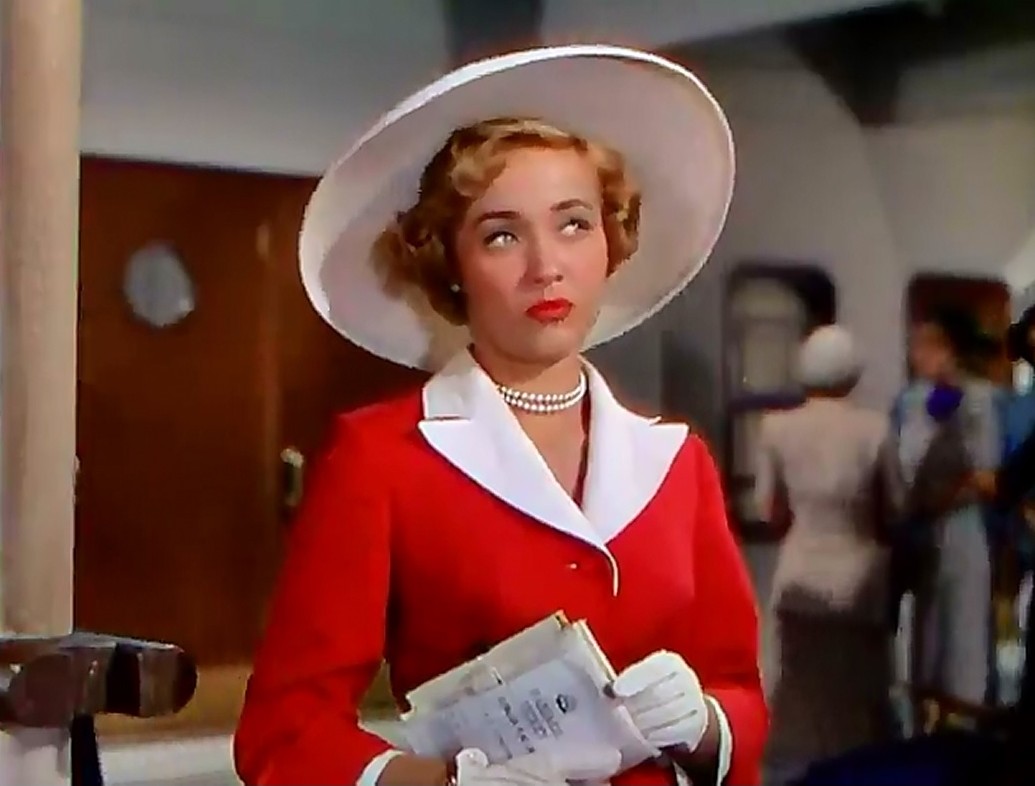
Jane Powell is beautiful and totally engaging as Ellen Bowen. She is complimentary to Astaire’s dancing which is probably the highest accolade attainable. Her singing is lovely, in my opinion. But I’m pretty certain the operatic soprano would be less than appealing in much of today’s culture.
Powell
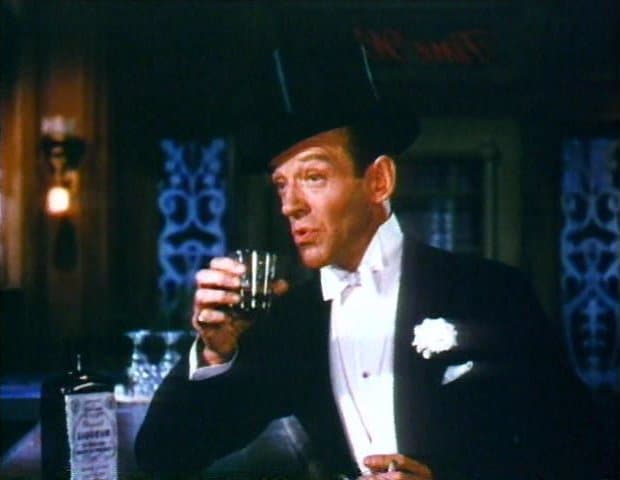
The diamond in the tiarra here is the great Fred Astaire.
Astaire
“I have been invited to say something about how dancers feel about Fred Astaire. It’s no secret. We hate him. He gives us complexes, because he’s too perfect. His perfection is an absurdity that’s hard to face.”
Mikhail Baryshnikov
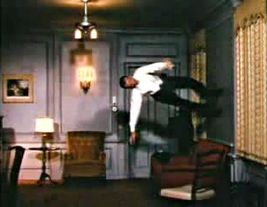
Royal Wedding may have its share of ups and downs. But its essential up is Astaire. As a theatre person I’m sometimes chastised in expressing my occassional lack of enthusiam for big dance routines. Honestly, I get bored. But the creative movie magic applied to the dancing in Royal Wedding, keeps me tapping my toes. The film’s credited choreographer is Nick Castle, but you can bet the majority of the routines were devised by Astaire himself. And those routines are fantastic.
Of particular note…”Sunday Jumps” when Astaire’s Tom Bowen dances with a hat rack and various other supposedly inanimate objects.
Also fine is “Open Your Eyes,” a romantic waltz executed by Astaire and Powell while on the ship voyage. Complications in the routine arise when a storm at sea causes the waves to shift the dance floor to and fro…a hysterical result.
And finally…the iconic “You’re All the World to Me” in which Fred Astaire dances on the walls and ceiling. I’ve seen clips of this number many times, yet still find it incredibly compelling.
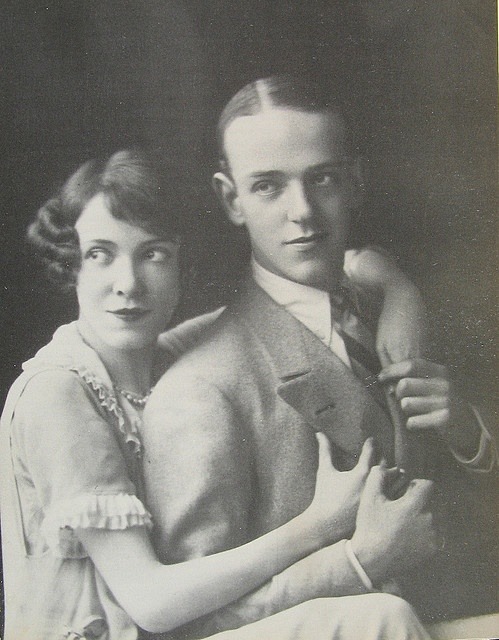
Royal Wedding is based loosly on the real life story of Fred Astaire and his sister Adele. They were, in fact, a brother and sister dance team. They enjoyed good success in both Vaudeville and on Broadway. But sister Adele retired from the act in 1932, to marry a British nobleman. Brother Fred headed for Hollywood. And the rest is history.
Fred and Adele Astaire
I thoroughly appreciate Royal Wedding. It was made at a time when the musical numbers of a movie had very little to do with advancing the story or developing the characters. But still I found much enjoyment in it and heartily recommend it. It’s worth the view for the Astaire performance alone. I’m pretty sure, the world isn’t likely to see the likes of him again.
Movie director Frank Capra arrived in America at the age of 5, after traveling with his parents on a difficult sea journey from Italy. Emerging from a life of poverty, Capra became one of the eminent film directors of the 20th century. His movies portray the America of the 1930’s and 1940’s with a stable realism, through which he lovingly embraces his adopted homeland. He is, no doubt, best known for his 1946 classic, It’s A Wonderful Life. But earlier in his career Capra helms a trilogy of films emphasizing “…the infinite goodness of the common citizen.” These are Mr. Deeds Goes To Town (1936) Mr. Smith Goes To Washington (1939) and Meet John Doe (1941)
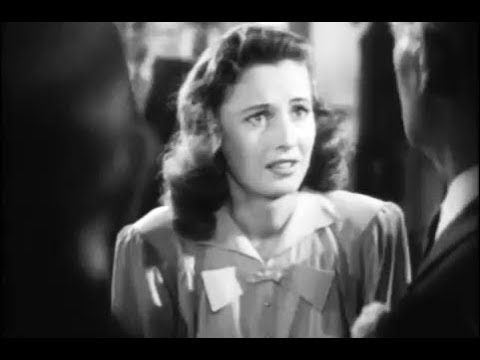
In a recent revisit of Meet John Doe, I was impressed with its durability. The story concerns a reporter who has just been fired by her newspaper. Following Ann Mitchell’s (Barbara Stanwyck) layoff, she begs the managing editor, Henry Connell (James Gleason) to allow her to stay on, since she’s supporting her mother (Spring Byington) and two sisters (Tina Thayer and Carlotta Jelm.) But her appeal is to no avail. Angry, Mitchell gathers up her belongings and prepares to exit. But then, as a parting shot, she composes a fake letter from one “John Doe.” In the letter, “Doe” alleges to be so downtrodden and distraught by the cruelty of society, he intends to commit suicide by jumping from the roof of City Hall on Christmas Eve.
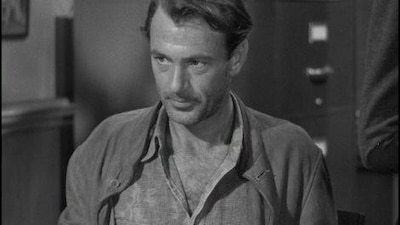
The newspaper prints the letter and the strategy works. Mitchell is reinstated. But the scheme succeeds a little too well. It causes a sensation. The public relates to “John Doe” and wants to help him. Of course, there’s one problem….”John Doe” does not exist. The Stanwyck character suggests they hire a “fake John Doe” to embody the pathos of the letter. Enter: Gary Cooper…as John Willoughby—an ex-baseball player down on his luck. He seems perfect for the role. But trouble brews when the real man begins living up to the high ideals of the fake man.
I find the film to be enjoyable and quite inspiring, still, after 81 years! It embraces the value of the common individual as it echos themes that resist social polarization. Cooper’s John “Doe” Willoughby, at first rejects the notion of his symbolic mission to “love thy neighbor.” Initially, he is only interested in the material rewards of the ploy. Eventually, though, he evolves into the social champion that Mitchell devised. The reporter also transcends her initial commercial intent. After reviewing the diaries of her late father, she utilizes the discovered principles to create a selfless, compassionate and communal hero. Cooper’s “John Doe” embodies that concept well beyond anyone’s expectation.
As a result, the movement sweeps the nation, with “Joe Doe” clubs emerging in every state. It becomes a true “grass roots” coalition. Enter: D. B. Norton (Edward Arnold), a publisher and diversified business man…with high political ambitions. He sees the “John Doe” faction as an opportunity for manipulation to his personal aspirations.
This aligns with a common Capra thread suggesting a darkness, lurking in the heart of American culture, promoting the possibility that good people can be negatively exploited.
In the simplest of terms, Meet John Doe is a morality play, plotting good against evil. As an audience we clearly and obviously cheer for the “good.” I have to wonder, though, if it would be all that clear and obvious if the film were to be remade utilizing today’s values.
There is much to regale in “Meet John Doe.” Based on a story by Richard Connell and Robert Presnell, Sr. the screenplay by Robert Riskin is crisp and appealing.
ConnellPressnell, Sr.Riskin
Gary Cooper is truthful and forceful as John “Doe” Willoughby. He has a lot of dynamic things to say in the movie, but he comes across as realistic as a common acquaintance. I’ve seen quite a few of his films and I believe his versatility to be the key to his longevity. Many of his roles are heroic in nature, yet his understated sensitivty always comes through. Soprano fans surely remember Tony often lamenting, “Whatever happened to Gary Cooper?”
Gary Cooper
Barbara Stanwyck is probably best known to baby-boomers and beyond as a televison star of The Big Valley and The Thornbirds. However, before that, Stanwyck was a major Hollywood movie star, having made 85 films. In Meet John Doe she displays a driving impact in her focused interpretation of Ann Mitchell. Physically appealing, as always, she conveys a likable presence. Her high energy is a perfect counterpoint to the more laid-back Cooper. The sexy alluring persona she would later display as the femme fatale in Double Indemniy, is nowhere to be found here…another example of her flexibility.
Barbara Stanwyck
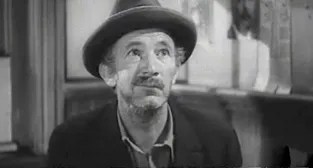
Though both stars are memorable, Meet John Doe also boasts a magnificent supporting cast…each contributing to the exquisite Capra pastiche. They include, but are not limited to: Walter Brennan, as Cooper’s skeptical sidekick, perpetually wary of the “healots”; James Gleason, as the managing editor who delivers the inspiring “lighthouse” scene. In it he warns of those who would jeopardize the American way for their own selfish end and Edward Arnold, as a zealot and would-be puppet master.
BrennanGleasonArnold
But the truest voice is that of director Frank Capra. His early career in silent films and screwball comedy, is clearly at advantage here. The dark shades of this story are lightened significantly by Capra’s comic touches. These go a long way in contributing to the film’s appeal. He is also an expert at pacing the film. It moves along briskly and with positive energy. Historically (1941), America is in an isolationist frame of consciousness. Capra uses the movie as a platform to reaffirm American values. Above all, the work is capable of appealing to everyone. It was a time before the niche separation of cinema into rom-com, sci-fi, comic book, fantasy, etc. The days of such univeral appeal are not likely to return. But, thankfully, we have the works of Stevens, Ford, Hawkes and especially Capra that allow us to return and reflect. If you get the opportunity, take a look at Meet John Doe. You might feel a little better about things…or perhaps not.
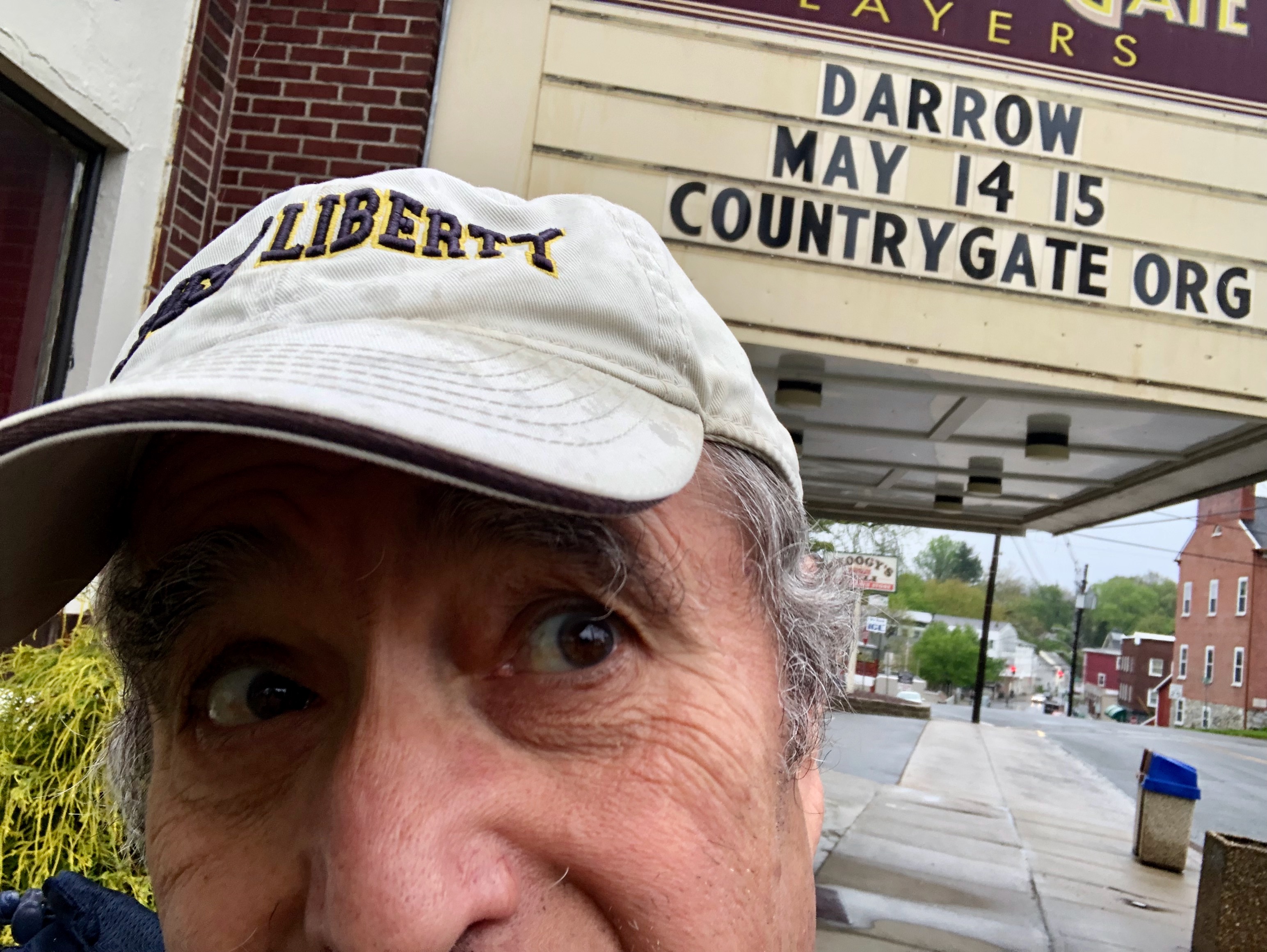
This weekend I will have the opportunity to approach one of my long intended bucket list resolves. I will be onstage at the Country Gate Playhouse portraying Clarence Darrow…one of my life-long heroes, in the David W. Rintel play of the same name. I may well be quite alone in the experience, as ticket sales have been slow. Understandable, really. Darrow, who died nearly 85 years ago, is not very well known by 21st century standards. Stiil, I’m looking forward to this production with considerable eagerness. I’ve been fortunate in having played some great characters over many years, but this one is special.
I first became aware of Clarence Darrow when I was cast in my high school production of Inherit The Wind. I’m not sure if I realized at the time that the play was based on the real-life Scopes Monkey Trial. But I do recall being affected by the premise of a lawyer advancing a very unpopular point of view to a level of acceptable credibility. Although the debate between faith and science continues all these decades later, the integrity established by the Darrow character and ultimately Darrow himself, remains a beacon in the constitutional legitimacy of separation of church and state.
As I grew older I became more aware and appreciative of Darrow’s accomplishments. He championed the labor movement in America….insisting that workers had a right to a decent life….reasonable hours, acceptable working conditions, and an adequate rate of pay. He fought for the right of free expression and political diversity. He persevered in the notion that a person’s point of view could not be held against him in a court of law. In defending Dr. Ossian Sweet of murder charges, he became an early advocate in the American civil rights movement. As a criminal attorney, he represented 102 men facing the death penalty, none of whom was executed.
Darrow became known for protecting the weak and embattling the strong. He was non-judgmental, non-religious and non-absolute. He even stood-by the thrill-killers, Leopold and Loeb, whereby his only mission was of mercy.
My admiration of Clarence Drrow has continued to grow. As efforts to censure academic freedom seem on the rise, Darrow’s fortitude and courage remain relevant. Sadly, his absence seems to have left a void not likely to be filled anytime soon.
My teenaged granddaughters will be assisting me in this weekend’s production. I’m so happy about that. I’m looking forward to an artistic collaboration with them. But I’m also hopeful that some of Darrow’s ideas and ideals, will reverberate with them into adulthood.
The show is Saturday, May 14 at 8:00 pm. and Sunday, May 15, at 2:00 pm. Clarence Darrow is being presented as a fund-raising effort to assist in the theatre’s Covid-19 recovery. Tickets are available at countrygate.org or at the door.
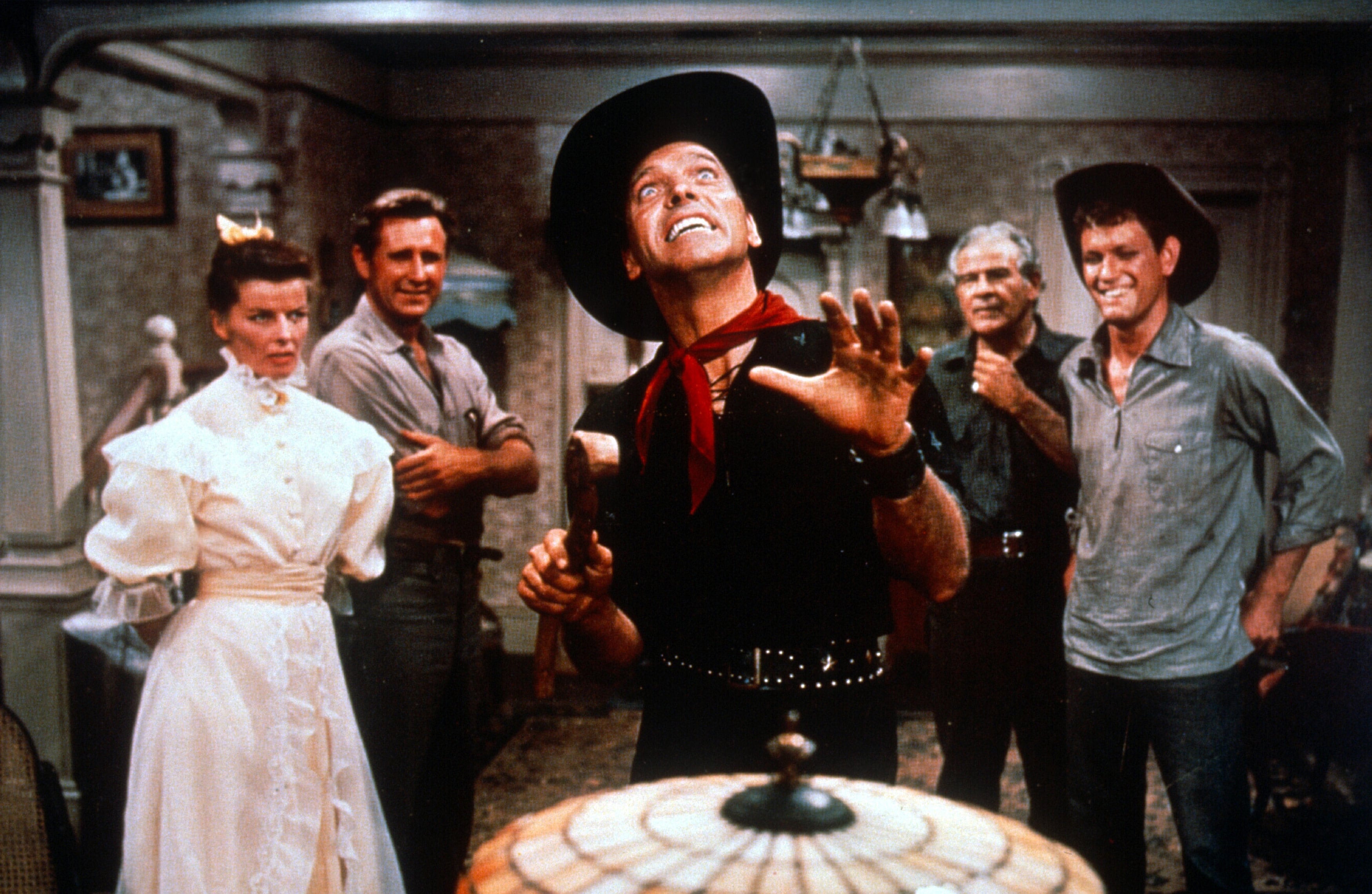
I became aware of the actor, Burt Lancaster during my formative years. My school had established a new theatre program and presented as its first play,The Rainmaker, by N. Richard Nash. In viewing the production…probably the first full-length play I had ever seen, I realized this style of artistic expression would be significant to me. The Rainmaker’s central character, Starbuck, is a con-man who convinces a draught ridden farm town, that he can make it rain. I later discovered a film version of the work which starred Lancaster in the Starbuck role. Seeing the film’s character expand its depth and the actor’s luminous portrayal made a lasting impression on me.
The Rainmaker
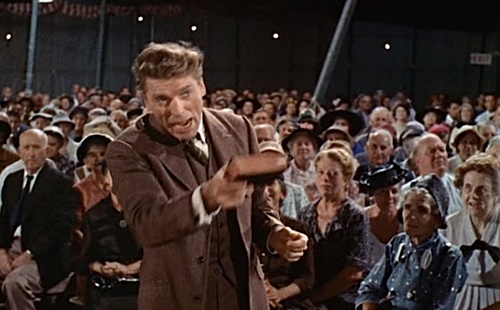
Lancaster as Starbuck draws a bigger than life, yet totally believable persona. I feel the same way about another early (for me) discovery, Elmer Gantry…again a con-man selling religion to small town America. Brilliant!
Elmer Gantry
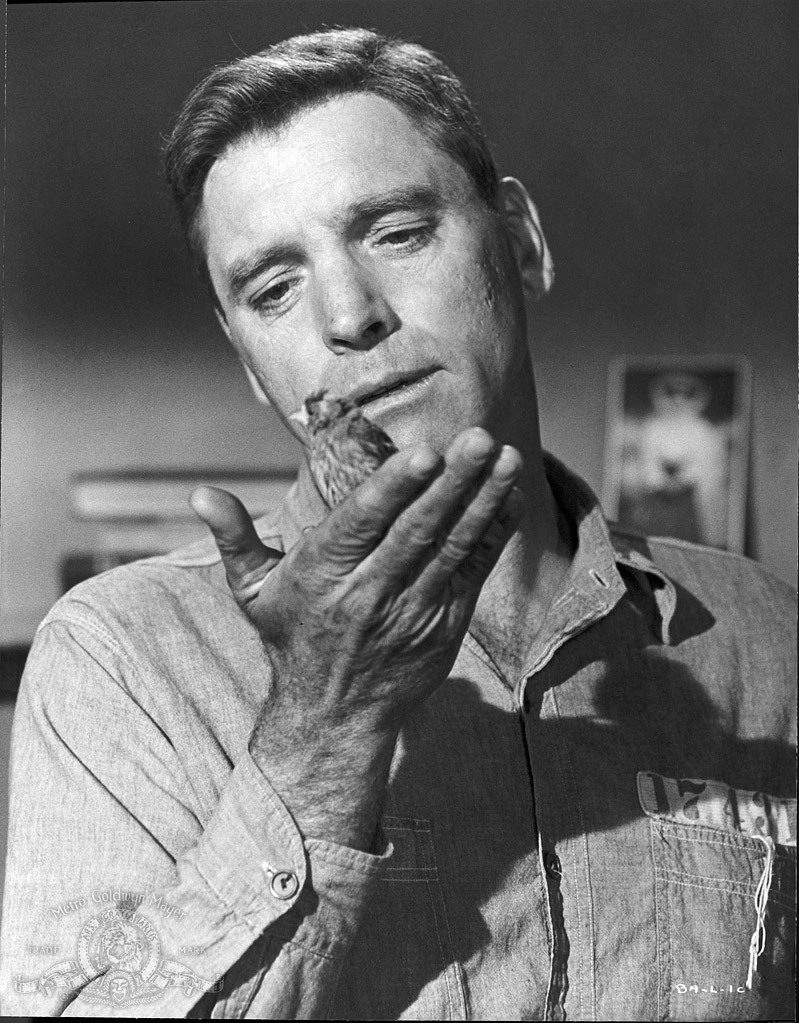
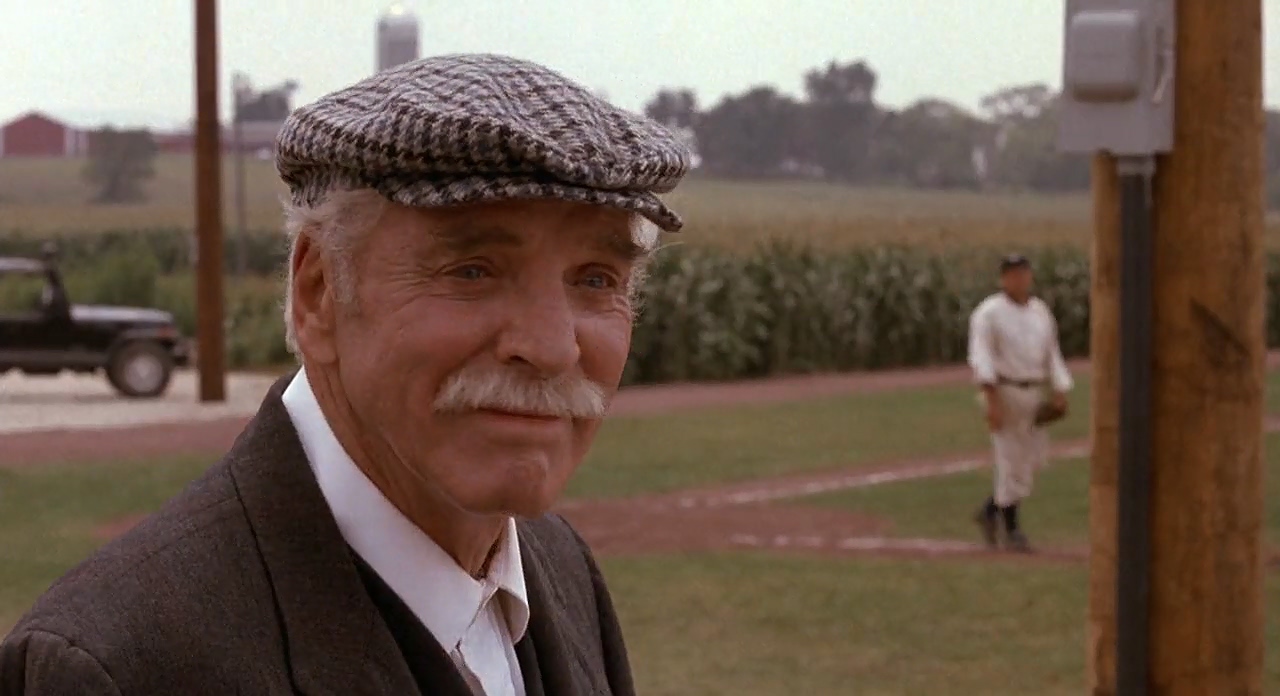
But later, more subdued portrayals in Birdman of Alcatraz and Separate Tables confirm an incredibly versatile repertoire of acting skills. And his sunset performances…Atlantic City and Field of Dreams….iconic.
Bird Man of AlcatrazSeparate TablesAtlantic CityField of Dreams
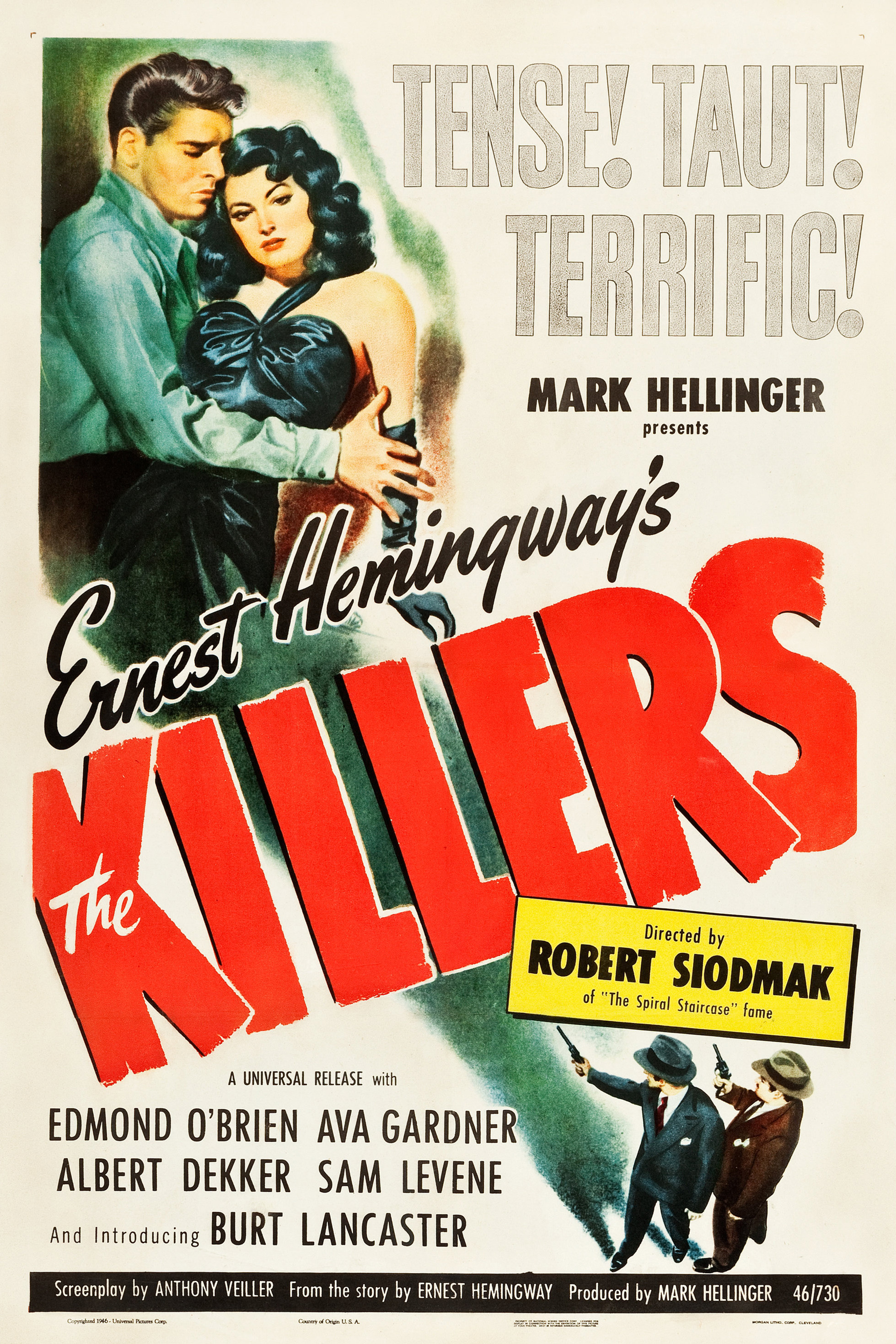
I recently rediscovered the 1946 film noir, The Killers, which features Lancaster in his very first movie role. Also cast in the film is Ava Gardner, Edmond O’Brien, and Sam Levene. The movie is directed by Robert Siodmak, with an uncredited screenplay by John Huston.
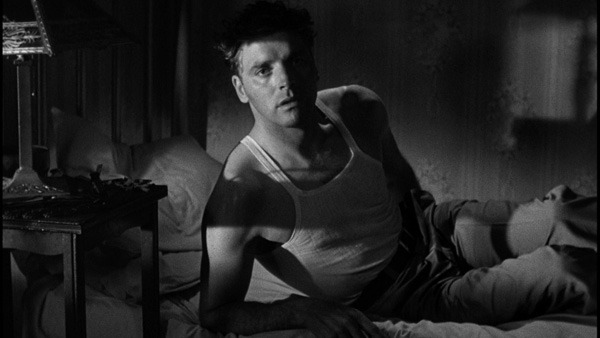
Lancaster in The Killers
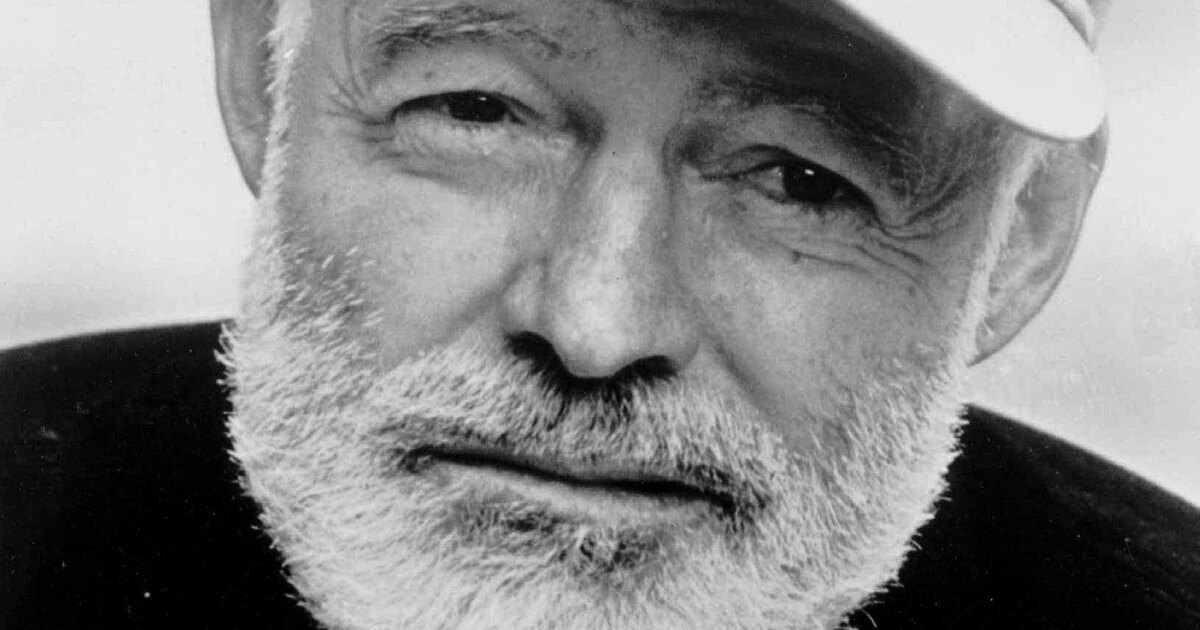
But perhaps the asterisk here is that the film is based in part on a 3000 word short story by Ernest Hemingway. It’s been said The Killers is the only film treatment of his work with which Hemingway was ever satisfied. The first fifteen or twenty minutes of the movie is practically a verbatim transcription:
Ernest Hemingway
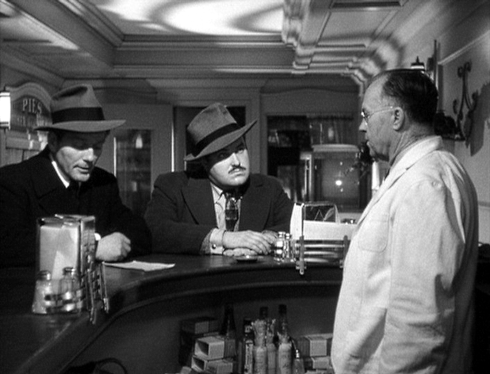
Two irreverent hitmen arrive at a small town diner, searching for an ex-boxer named Ole Anderson also known as The Swede (Lancaster). The hoods commandeer the diner, its staff and its occupants, announcing their intentions of killing The Swede. When their proposed victim doesn’t show-up, they leave, no doubt in search of a home address. Meanwhile, Nick Adams a diner customer who works with The Swede, runs off to warn him of his impending peril. But The Swede is acquiescent and makes no attempt to leave his room. “I did something wrong – once.” he says. Momentarily the two hitmen arrive and release a barrage of gunfire leaving no doubt about The Swede’s fate.
An early scene in The Killers
And that is where the Hemingway story ends…no real explanation of why such a violent end should come to this seemingly passive man.
But then the film takes off in its own direction, exploring the back-story of this submissive solitary murder victim. The morning after the slaying the local police wash their hands of the matter but an insurance investigator, James Reardon (Edmond O’Brien) of the Atlantic Casualty & Insurance Company, is suspicious and sets out on a far reaching investigation.
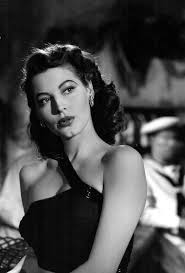
The query entails a series of flashbacks allowing us to painstakingly piece together the victim’s rise and fall. These recollections remind us of the technique utilized in Citizen Kane. But unlike the Welles’ classic, in which the flashbacks enlighten us regarding Kane’s actions and their impact on others, the technique in The Killers informs us as to the influence of others on The Swede. This is true especially regarding the affect of the beautiful Kitty Collins (Ava Gardner) as she craftily manipulates the downfall of The Swede into the cesspool of the underworld.
Ava Gardner as Kitty Collins
Through the flashbacks we learn of the injury that ends The Swede’s boxing career, his gallant sacrifice that sends him to prison, the big-time payroll heist leading to double-cross after double-cross and his fateful customer service experience at the local gas station.
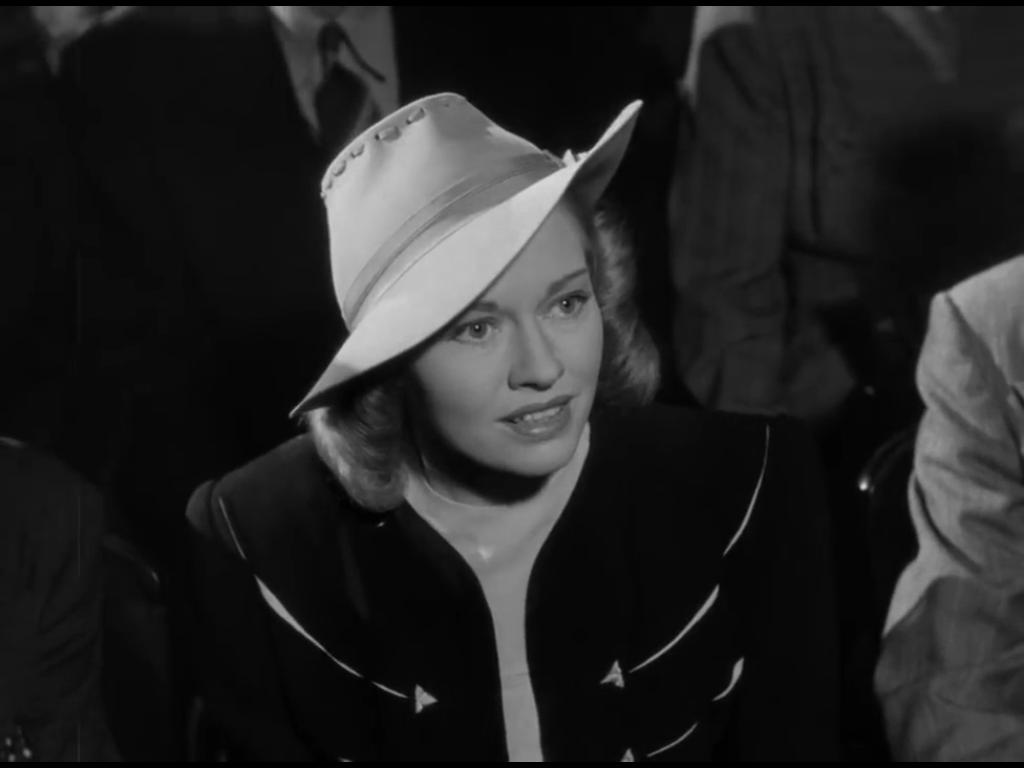
If viewers of the film are patient, they will be well rewarded in satisfaction. Insurance investigator Reardon slowly weaves his way through the scanty clues left behind by The Swede (a green silk handkerchief and a bewildering insurance beneficiary) and on to a cavalcade of first hand interviews…from an Atlantic City chambermaid, to The Swede’s ex-girlfriend (Virginia Christine), to his life-long friend, Detective Lieutenant Sam Lubinsky (Sam Levene.) The investigative results are not always exciting…but they are apprising. The scenes with Lubinsky shed particular illumination on The Swede’s descent from “good guy” to “reprobate,” and the orchestrating femme fatale.
The Hemingway content of the film is terrifically engaging. As dark as is the content, there is sharp, dry humor in the dialogue, providing a stark contrast in tone. The post-Hemingway screenplay, in my opinion, loses its edge a bit, becoming a more standardized procedural.
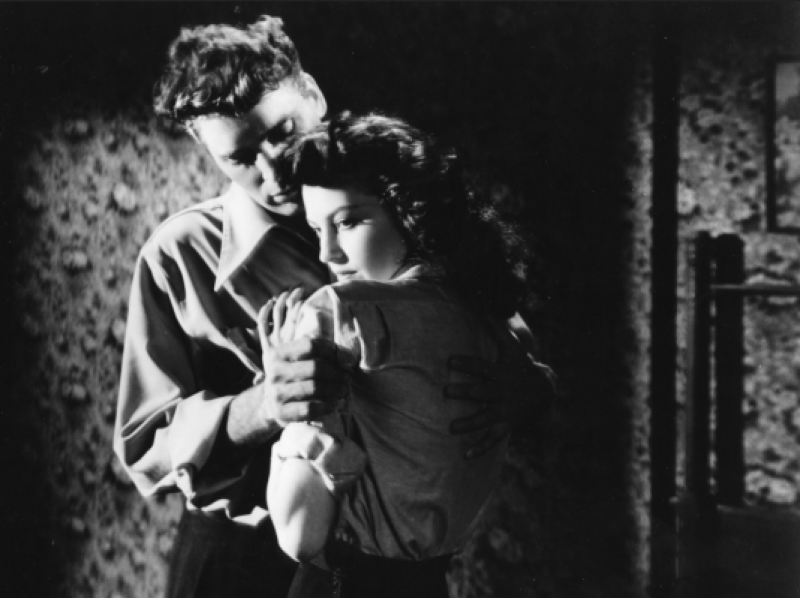
But there’s plenty of positive momentum in this film. The acting is outstanding. Lancaster delivers a wholly understated performance. He wears his vulnerability on his sleeve as we painfully relate to his doom. Ava Gardner is beautiful and alluring. She effortlessly exudes her seduction and The Swede is a dead duck….literally.
Lancaster and Gardner as The Swede and Kitty Collins
The supporting performances led by Virginia Christine, Edmond O’Brien and especially Sam Levine are also exceptional.
Virginia Christine as LillyEdmund O’Brien as ReardonSam Levine as Lieutenant Lubinsky
Robert Slodmak’s direction is focused and deliberate. There are times when I feel things are moving a bit sluggishly, but the end result is forgiving.
Miklós Rózsa’s score is complimentary, providing rich suspense and ambience.
But perhaps the leading element of praise might go to the cinematographer, Woody Bredell. The scenes present lights and darks in high contrast, masterfully providing us with the chilling atmosphere we require to appreciate this gruesome story.
The Killers
The Killers is the epitome of classic film noir…checking all the boxes twice. It might be worth a check from you. Let me know what you think. There was a remake of The Killers in 1964 directed by Don Siegel. Although it was not so well received at the time, it’s gained appreciation over the years. I haven’t seen it yet, but it’s on my list. Stay tuned.
I recently worked with a group of actor friends in presenting one of my infamous murder mystery dinner theatre productions. As always, it was a joy to share in the collegial experience of bringing some fun and laughter to an audience aching to be out and about after a long stretch of pandemic restrictions. The merits/foibles of the murder mystery genre are worthy of discussion. But, please….another time….another place.
At one point in my script, one of the less than honorable characters attempts to lure a vulnerable woman into his evil grasp. In carrying out his odious mission I was to have the foul character sing a parody of the haunting David Raksin/Johnny Mercer song, “Laura”
HENRY (enticing Sissy to him):
Come along my dear. (Sings “Laura” parody):
“Sissy is the face in the misty lights.”
As we rehearsed this scene, it became clear to me that there was a general unfamiliarity with the song by everyone in our cast. I eventually dropped the idea and instead inserted the instrumental theme from “The Outer Limits” to seduce Sissy into Henry’s evil arms. The tv theme was far more familiar to everyone and created the effect I was seeking.
But I was quite surprised that “Laura” had come to such a lack of identity. I’ve loved the song for as long as I can remember. The Mercer lyrics provide a promise of love. As a teenager, I guess I related to a potential first love. But even now, as an aging boomer, the song represents a promise of possibilities. Even though “….she’s only a dream.”
“Laura is the face in the misty light, footsteps that you hear down the hall. The laugh that floats on a summer night that you can never quite recall. And you see Laura on the train that is passing thru. Those eyes, how familiar they seem. She gave your very first kiss to you. That was Laura but she’s only a dream.”
The more I thought about it, the more consumed I became . I found myself humming the melody and butchering its beautiful lyrics for days. Then last week the 1944 film, Laura ran on Turner Classic Movies. I had seen Laura many times over the years, but with the song so riveted in my head, I surrendered to the inevitability that I would watch it once again.
In his intro to the TCM presentation, host Ben Mankiewicz advanced his belief that Laura was perhaps the greatest example of Film Noir of all time. Film Noir? Hmm. That surprised me. My understanding (admittedly limited) of Film Noir required dark images on back-city streets, occupied exclusively by unredeemable characters.
So, I decided to look into the genre, which is apparently misunderstood by many. I started with good old Wikipedia:
Film noir (/nwɑːr/; French: [film nwaʁ]) is a cinematic term used primarily to describe stylish Hollywood crime dramas, particularly those that emphasize cynical attitudes and motivations. The 1940s and 1950s are generally regarded as the “classic period” of American film noir.
Of course my grandchildren inform me that I should never rely on Wikipedia, because, as a user-generated source, it can be edited by anyone at any time and may be unreliable. I guess that’s true. But I still think it’s a good place to start.
Beyond the initial definition is a debate among film scholars as to whether Noir is a genre or a style. “Potayto, potahto!” as far as I’m concerned. What does seem clear, at least to me, is that the idea of Film Noir has a lot to do with the themes found in the story.
Film Noir is always about the fall of a character who deteriorates through various situational encounters. And that decline is often attributed to self-obsession or the obsession of others. The character who falls is the victim of manipulation and has little or no control. In the end the character suffers irreversible consequences.
Here are some common Noir traits:
The protagonist is often characterized as a detective, but may also be portrayed as a boxer, a convict, a screenwriter, a hit man or any other ne’er-do-well who falls into an unfortunate circumstance.
A femme fatale is a female character who seduces or lures men into compromising, dangerous and sometimes deadly situations.
The setting and circumstances are important because a Noir theme may reflect the cultural landscape of the time during which the film was made.
A Noir film is certain to possess plot twists and turns.
Unusual camera angles, as well as, color (or lack of) shadings usually contribute.
Music is often its own character.
With me so far?
So yes, dark images and plenty of bad guys were often present during the Noir heyday of the 1940’s and 1950’s. But, I see now how much more there is to it. And…I like it.
So…..Laura, 1944.
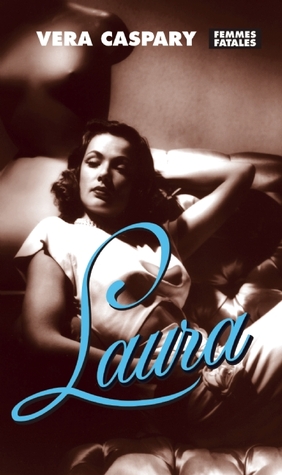
It was based on a novel of the same name by Vera Caspary, with a screenplay by Jay Dratler, Samuel Hoffenstein, and Betty Reinhardt .
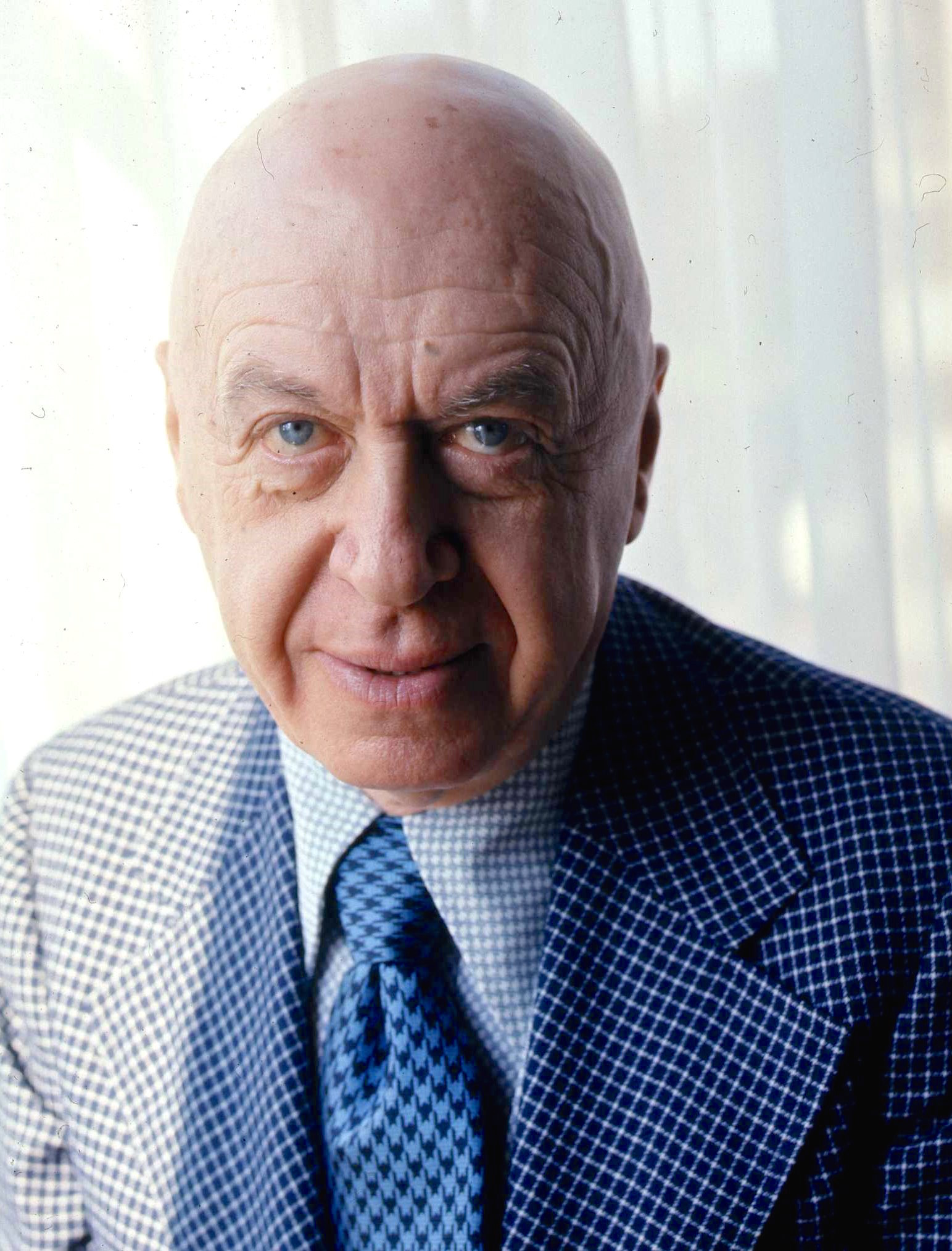
It was directed by Austro-Hungarian-born Otto Preminger.
We are told with the first line of the film that “Laura” is dead. Shortly thereafter we meet a detective charged with finding her murderer. So we surmise we are in for a good old-fashioned whodunit. But it becomes clear that whodunit is inconsequential. In fact, we soon find there to be a cavalcade of viable suspects…but who cares. Any one of them could easily be the murderer. The real enticement of the story is the multi-dimensional passions emanated toward the dead “Laura.”
New York City Police Department detective Mark McPherson discovers an array of strange relationships surrounding the victim.
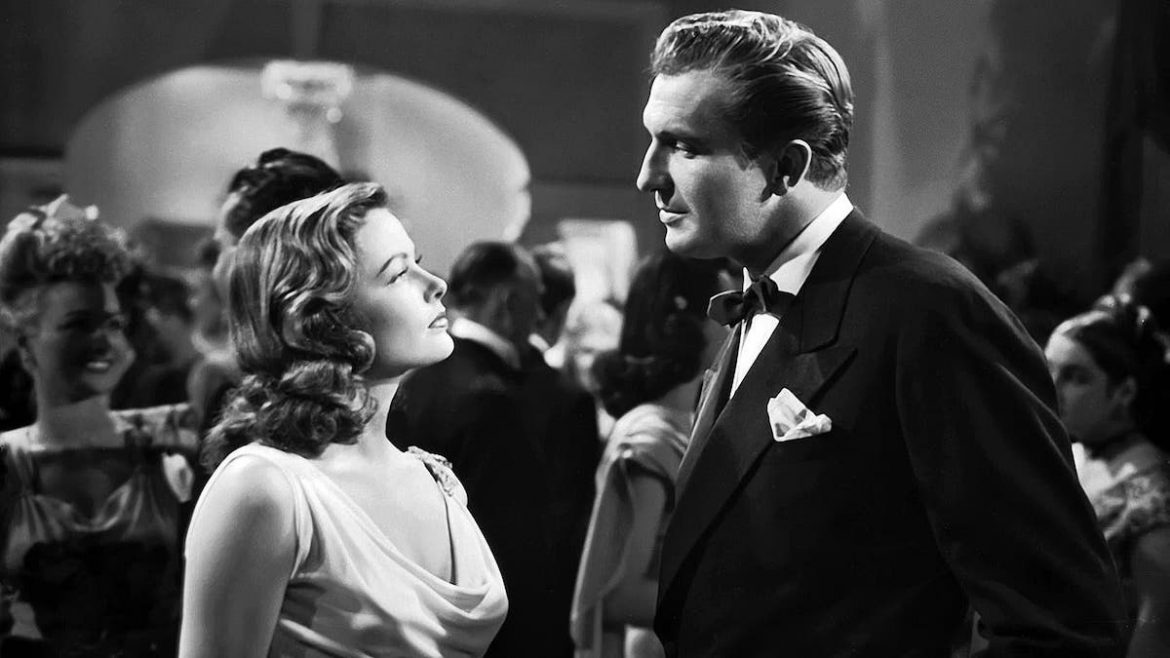
Waldo Lydecker, a New York newspaper columnist, who is at first quite rude to Laura, is suddenly drawn to her. He becomes her mentor and confidant. But…he seeks more.
Shelby Carpenter, a handsome down-home hick, somehow becomes Laura’s fiancé.
Although he may not have regarded her as his best meal-ticket…still he’s allured by Laura’s beauty and wit.
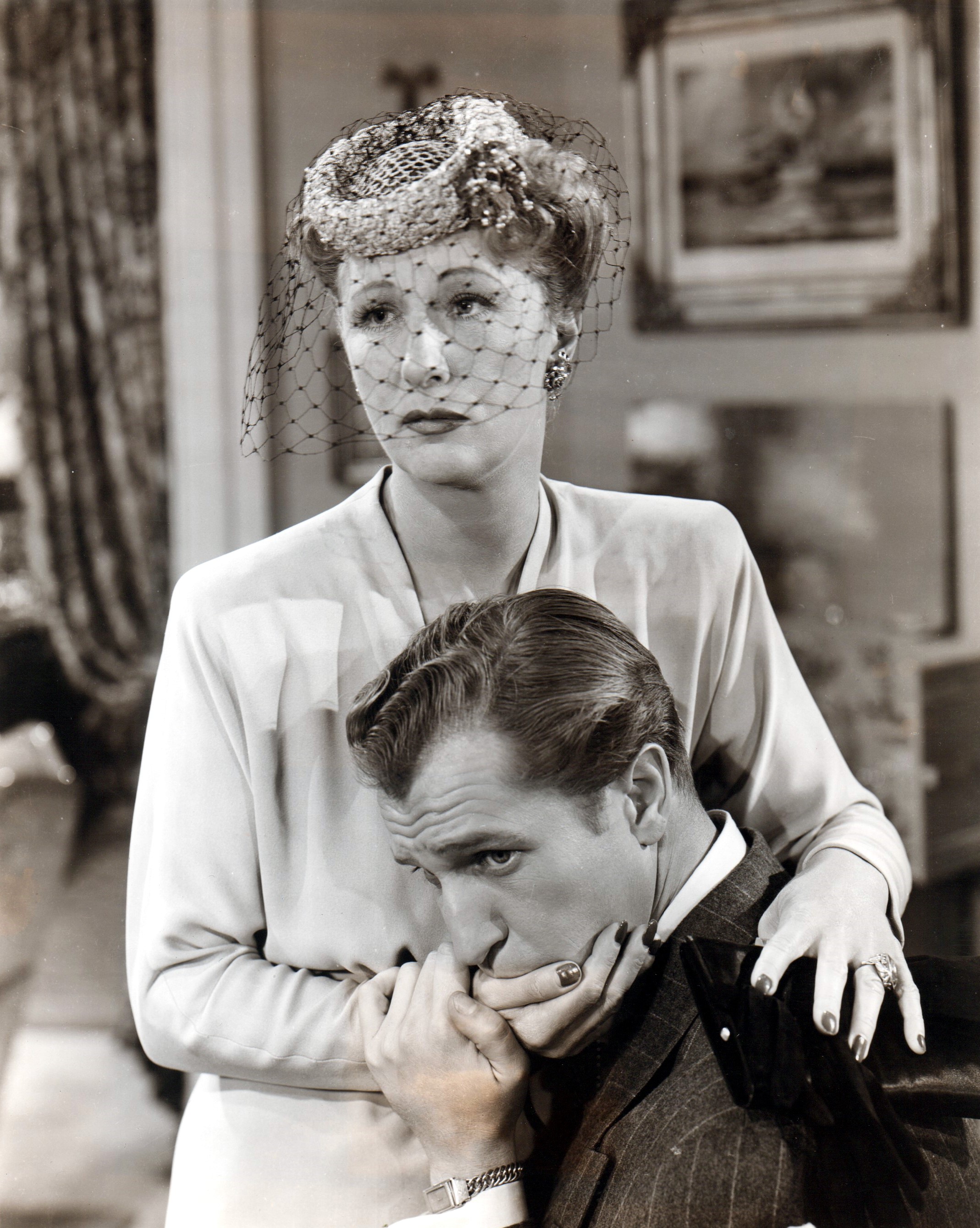
Ann Treadwell is Laura’s well-to-do aunt, who is “keeping” Carpenter for physical intentions. Beneath her placid exterior rages a jealous design toward her niece.
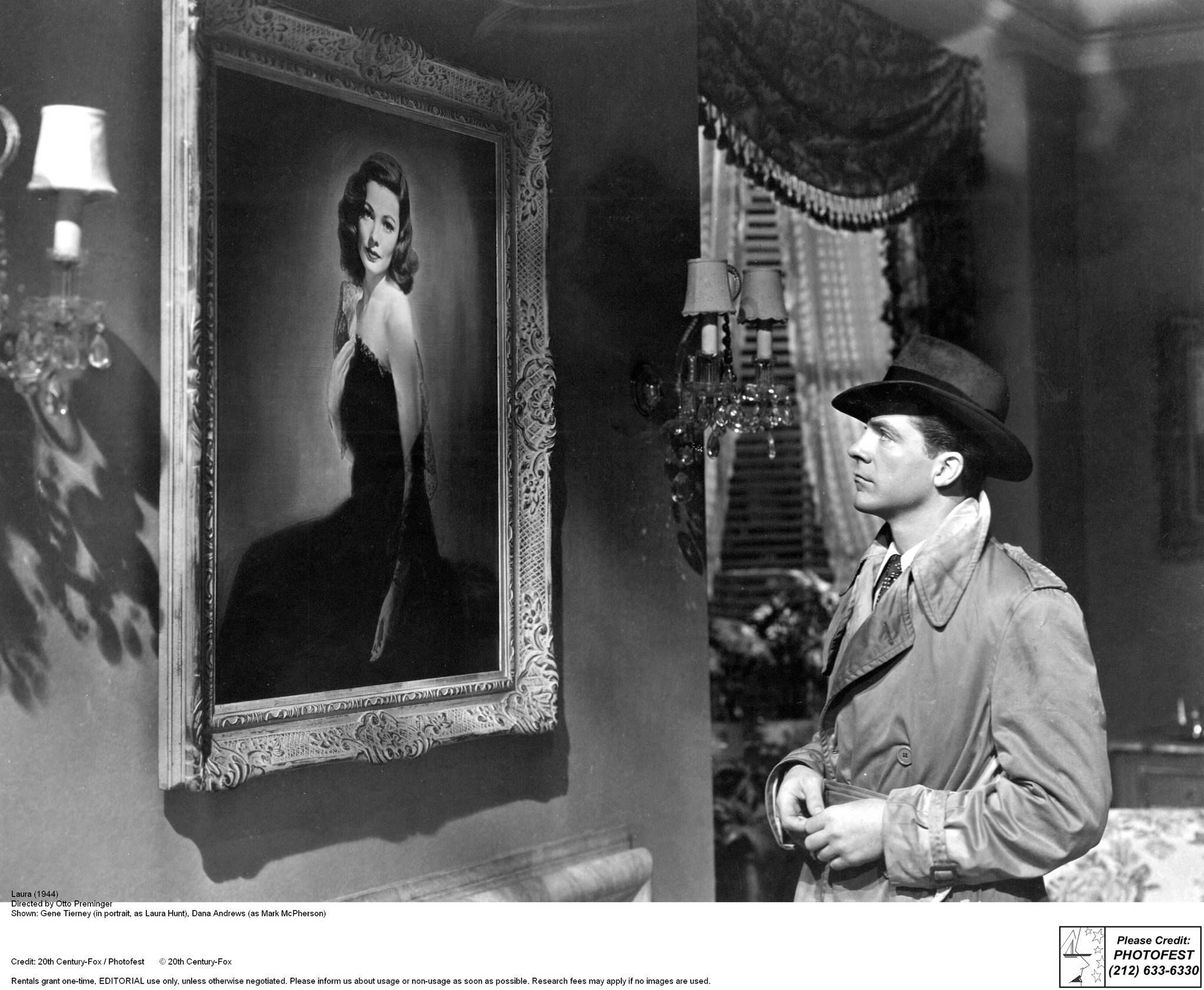
And finally, there is McPherson, himself. Yes….as he investigates the crime scene, Laura’s apartment, he seems to venture well beyond the normal fingerprint-like assessments. He reads her love letters. He smells her perfume. And throughout he is devoured by the giant portrait of Laura hanging on the wall.
Laura (1944)
Directed by Otto Preminger
Shown: Dana Andrews
About mid way through the film, there is a twist that significantly alters the course of McPherson’s investigation and his life.
As the audience we are captivated not so much by the who, where, what and why…..but by the consuming journey that gets us there. At least that’s how I see it.
At the root of all this is Preminger’s direction. Most of the scenes present somewhat talky dialogue as the detective questions each of the suspects. But these are well paced, with suspenseful overtones. The characters clearly portray their outward facades and underlying compulsions.
The locations and scenery vividly paint a motif of privilege and desire. The camera is slow, steady and always interesting. The David Raksin score (which started me on this quest) is almost hypnotic. It is used often and effectively. Ironically, in studying the film, I learned that the enchanting Johnny Mercer lyrics were added later…after the film had been released.
But the eternal appeal of the film, I believe, is most reliant on the staunch credibility of the cast.
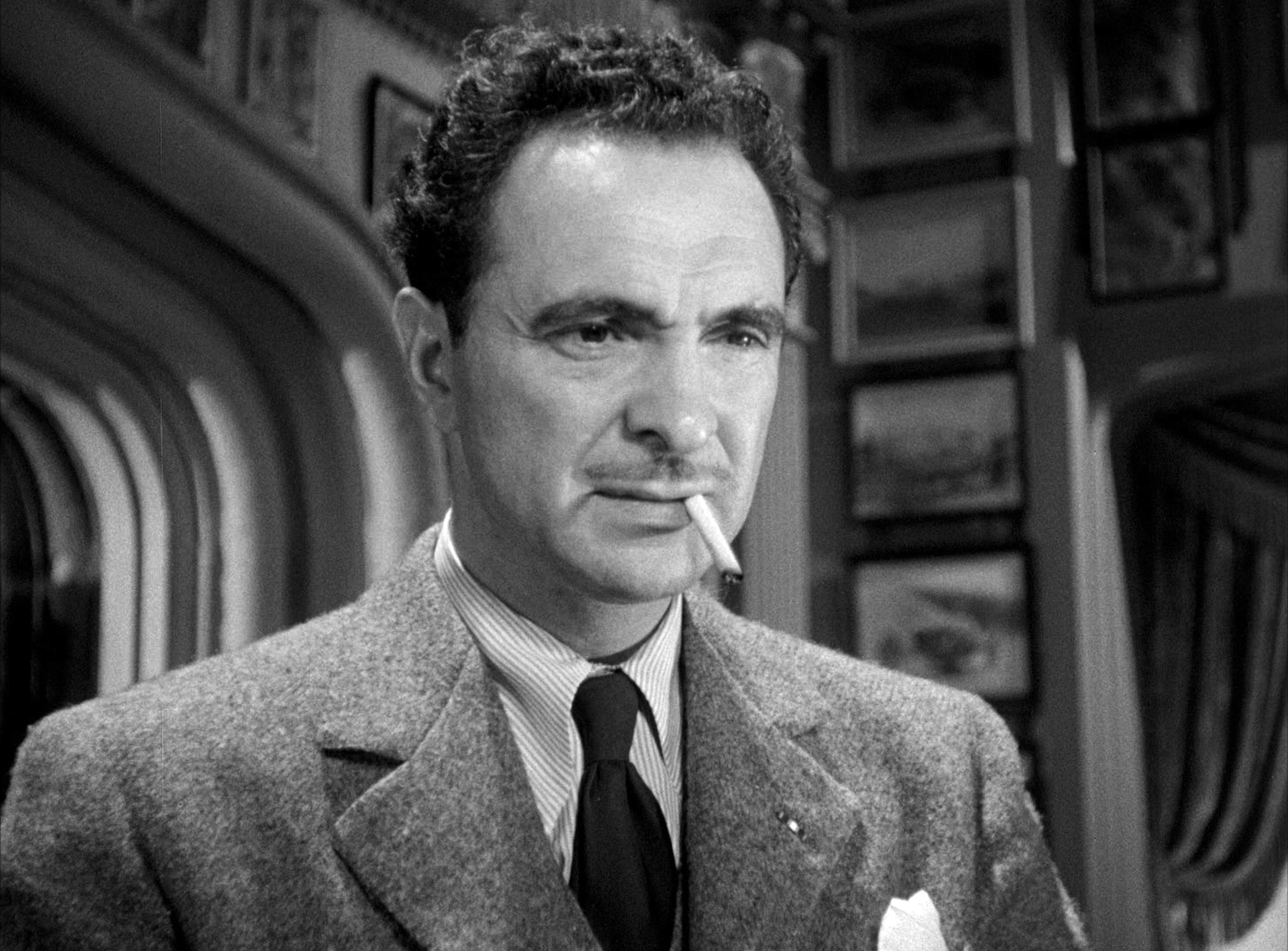
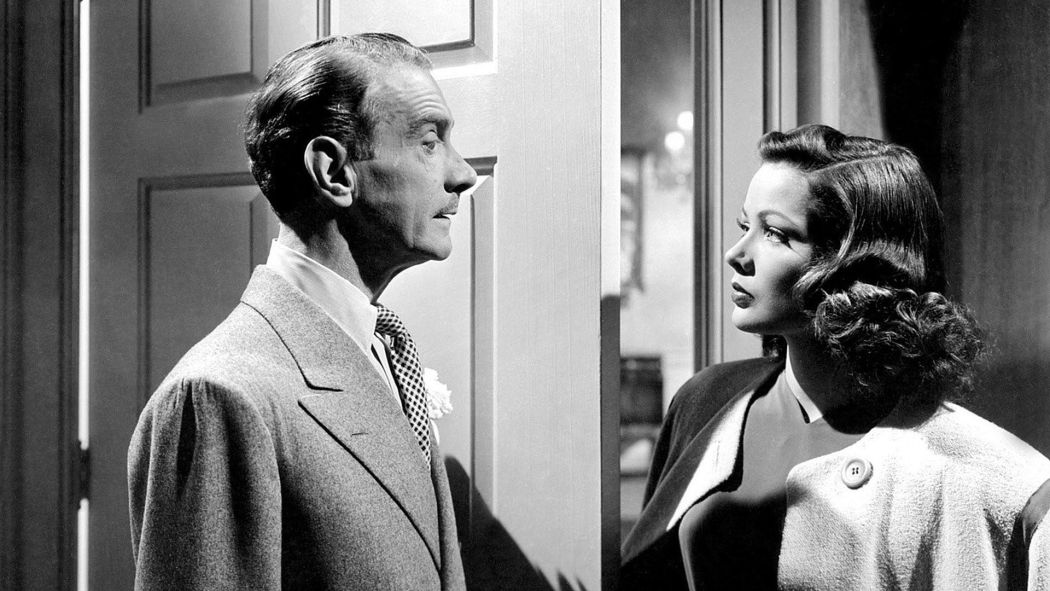
Clifton Webb is cantankerous and wily as newspaper columnist Waldo Lydecker. His character weaves its apprehensive way in and out of our suspicions. His voice is riveting and appealing.
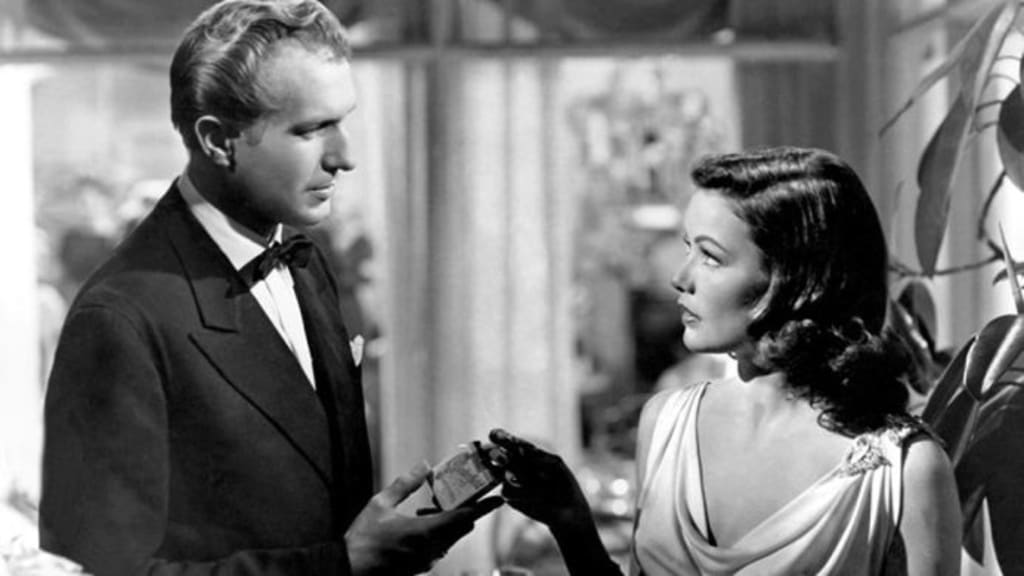
Vincent Price….yes, that Vincent Price, is quite believable as the bumbling romantic lead. Price is focused and deliberate in pursuing the gold-digging elements of his character. We, of later generations, may have a difficult time accepting him here, because of our knowledge of his later career. But he executes well.
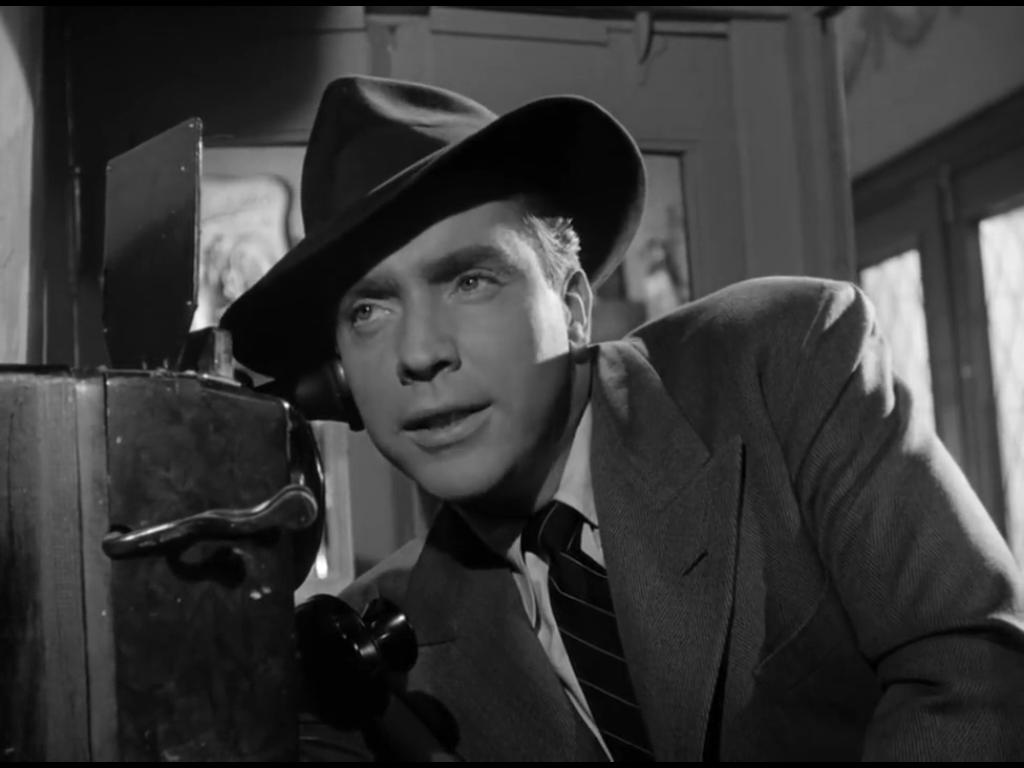
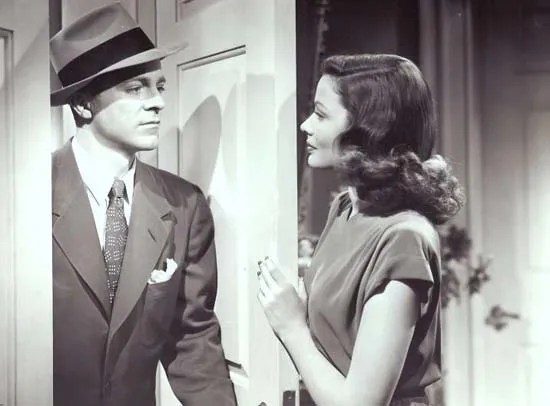
Dana Andrews is the rugged epitome of the gumshoe detective. His performance is guardedly understated, yet strong. But we feel his fall as he gazes into the eyes of Laura’s portrait. Andrews projects a vivid vulnerability as his flawed character evolves.
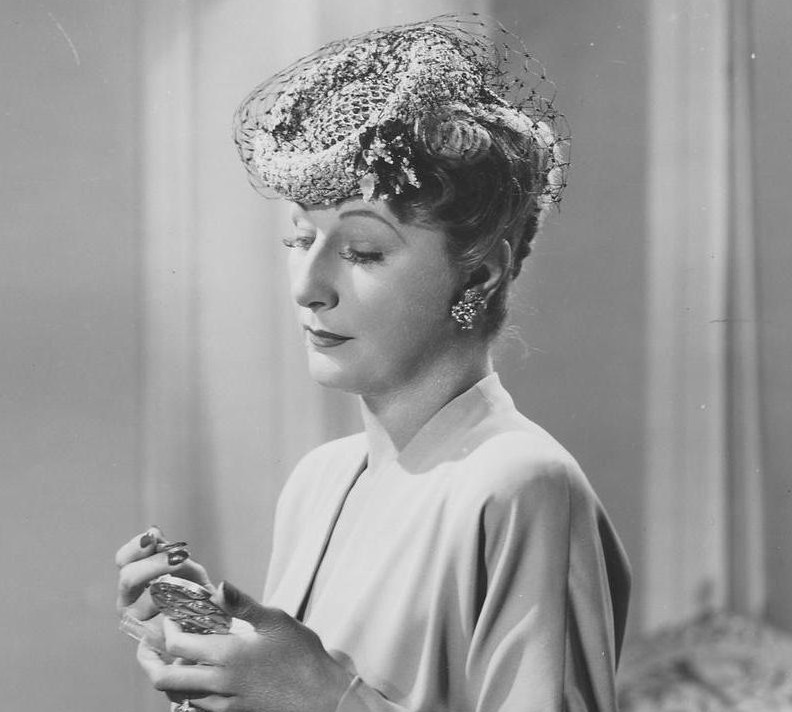
Judith Anderson’s stoic demeanor is harrowing. It beckons appropriate dislike for Auntie Anne.
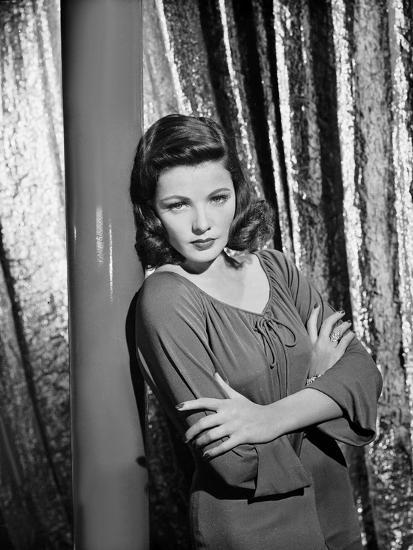
Yes, this is a Noir of passion. But the object of all this attention is perhaps the mightiest obsession of all, Laura herself. We really don’t find out much about Laura as a person. But to the characters in the film, she is an ideal….the perfect woman, beautiful, smart and alluring. In the role, Gene Tierney is the perfect femme fatale. She effortlessly weaves her spell over all concerned….and over us too. At least over me.
If you’ve never seen Laura, I recommend you take a look. No car chases…no monsters…no super heroes. Just the human condition …and you know how frightening that can be.
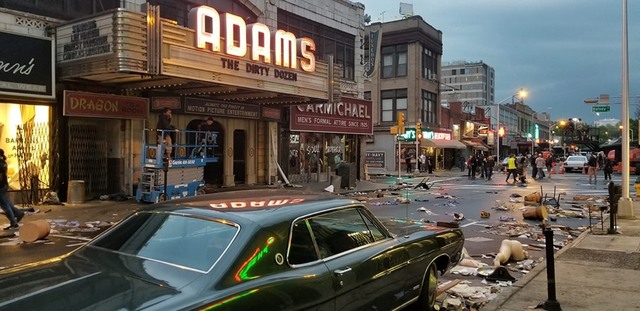
At one of the many points of high drama in The Many Saints of Newark, a blackbird can be seen flying in a garage. The unusual image may convey the darkness of the moment, as well as past and future fatalism, in this unique and fascinating world.
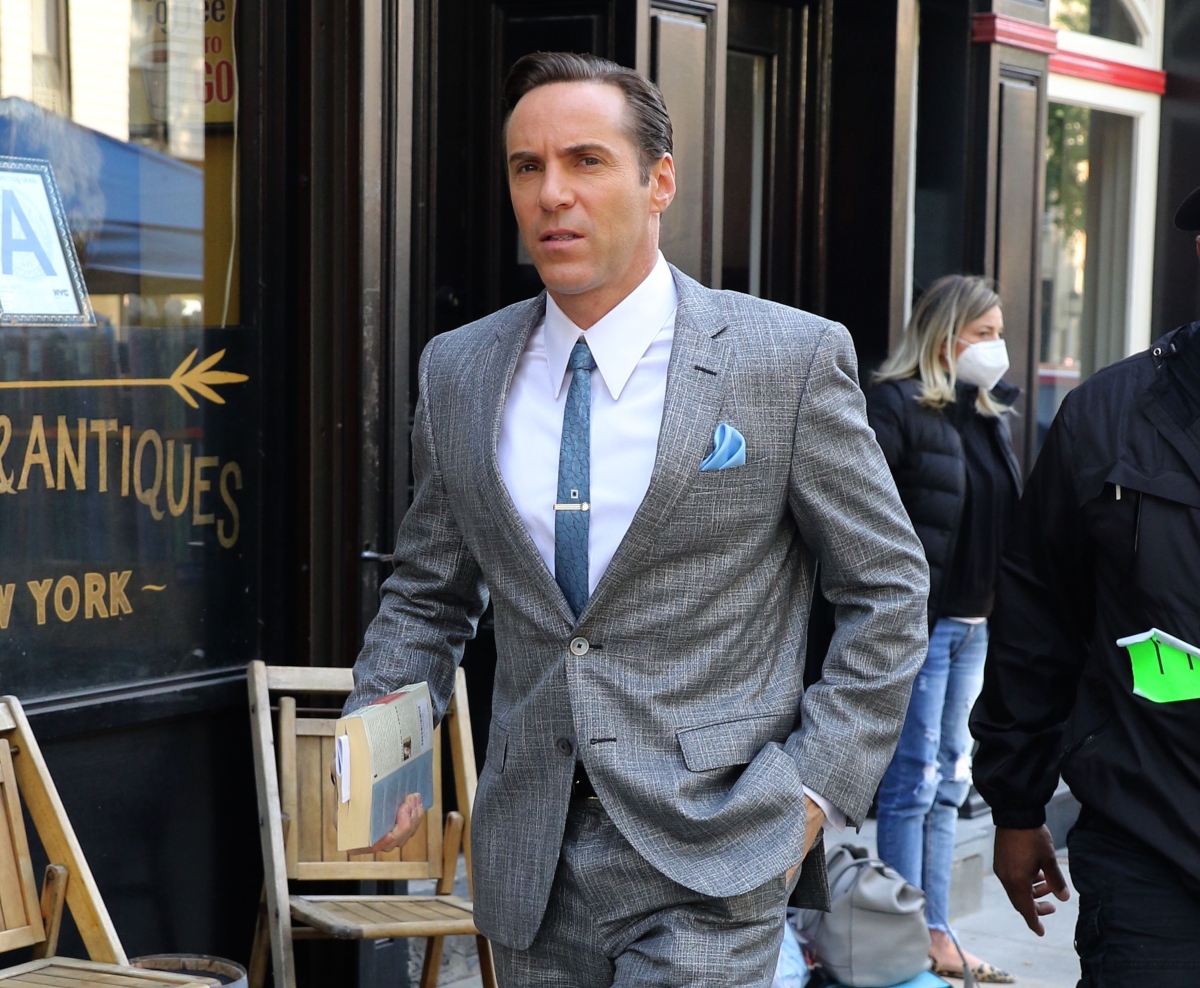
The long awaited prequel to the history-making Sopranos television series, written by David Chase (Soprano’s series creator) and Lawrence Konner is directed by Alan Taylor (also a Sopranos series veteran.) At the film’s centerpiece is Dickie Moltisante (Alessandro Nivola,) an underling mobster in the New Jersey DiMeo crime family.
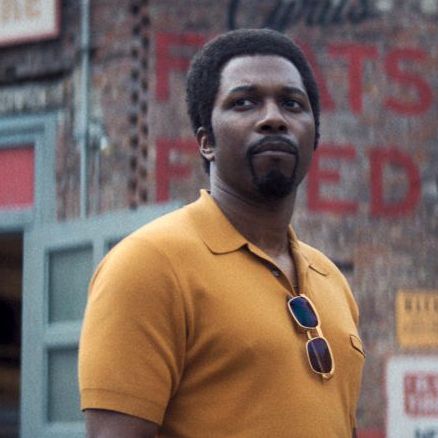
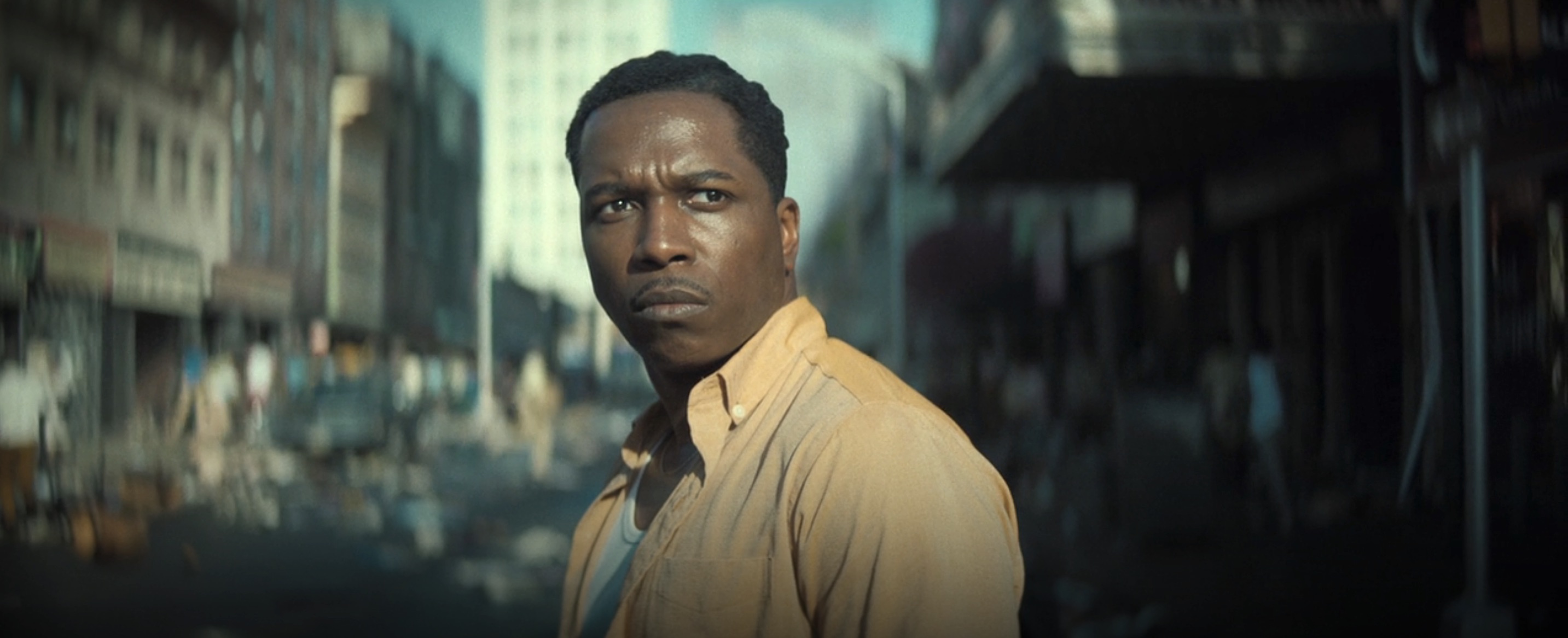
We see that Dickie is a conflicted and sometimes tortured soul. He wants to pay due diligence to his mafia roots, as his geneology requires. And he does so …committing grievous, heinous acts in the name of “this thing of ours.” But simultaneously, Dickie wants to be a good guy…. He wants to do “good deeds.” Dickie comes into conflict with Harold McBrayer (Leslie Odom, Jr. ) a friend from youth, who initially works for him.
But, as the civil rights movement evolves, so does McBrayer’s consciousness, as he seeks his own autonomy. The stuggle between Dickie and Harold is set before the dramatic backdrop of the Newark riots of 1967.
Eventually the rift between Dickie and Harold becomes personal, escalating the war to brutal realities.
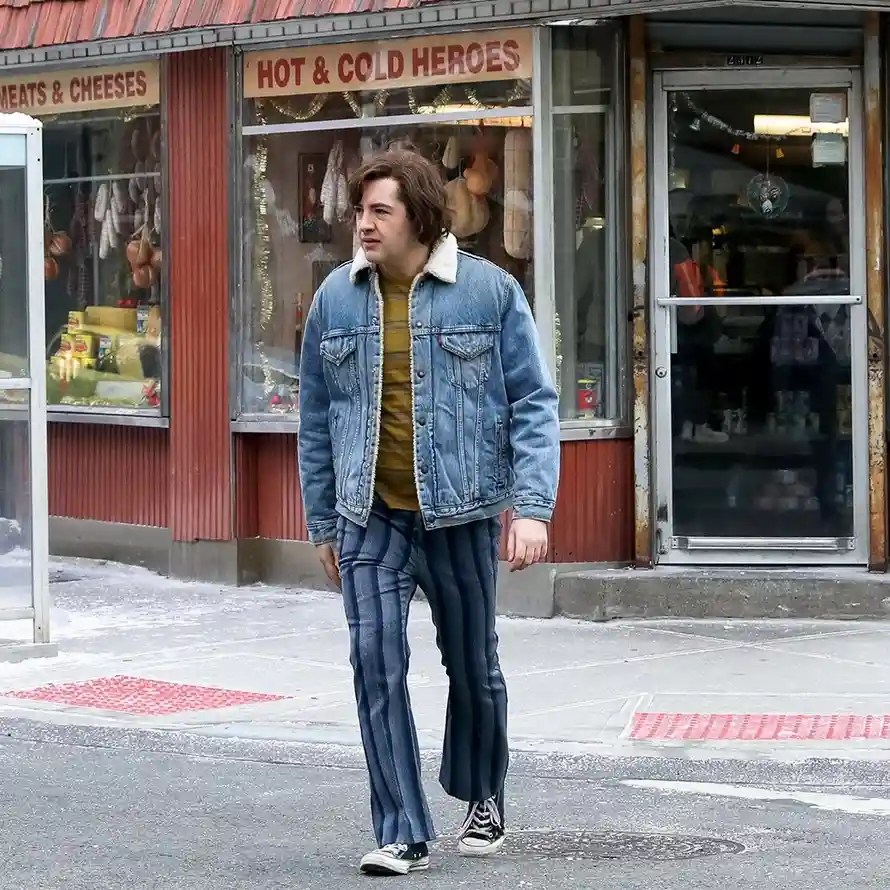
Observing all this with wide eyes is a young Tony Soprano (William Ludwig and Michael Gandolfini,) an intelligent young man, testing high as a potential leader. We see Tony at the apex of a mountain….considering his options. In The Many Saints of Newark, Chase and company dramatically provide the environmental influences that will eventually forge his path.
The film is beautifully shot, perfectly set in 60’s-70’s New Jersey. Scenically appealing, the riot and violence sequences are particually stunning…and frightening. The exceptional costume, make-up and hair treatments contribute significantly to the absorbing texture of the experience. The film is visually stunning. Also wonderful is the soundtrack…. an ecclectic selection of music of the period, complimentary and emmersive. It nearly tells the story on its own.
The script is tight and sharp. It features well paced dialogue providing focused specificity at every turn. The direction is also top-notch, with creatively-shot scenes moving briskly and efficiently. If there is a flaw under-the-hood, it may be that some of the characters are lacking a sense of completion. Perhaps that is by design. Some of us…maybe most of us…surely recall the “cut to black.”
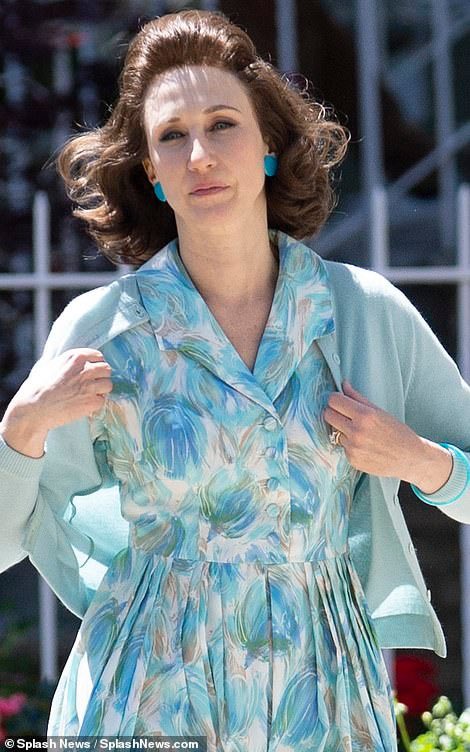
The acting is universally terrific. However a few performances are particularly arresting. Vera Farmiga is appropriately biting and frigid, as Livia Soprano. Portraying the future family matriarch, Farmiga pays due homage to Nancy Marchand’s original virtuoso rendering, yet effectively explores new territory in this complicated character. She creates a certain vulnerability and perhaps even elicits a certain sympathy.
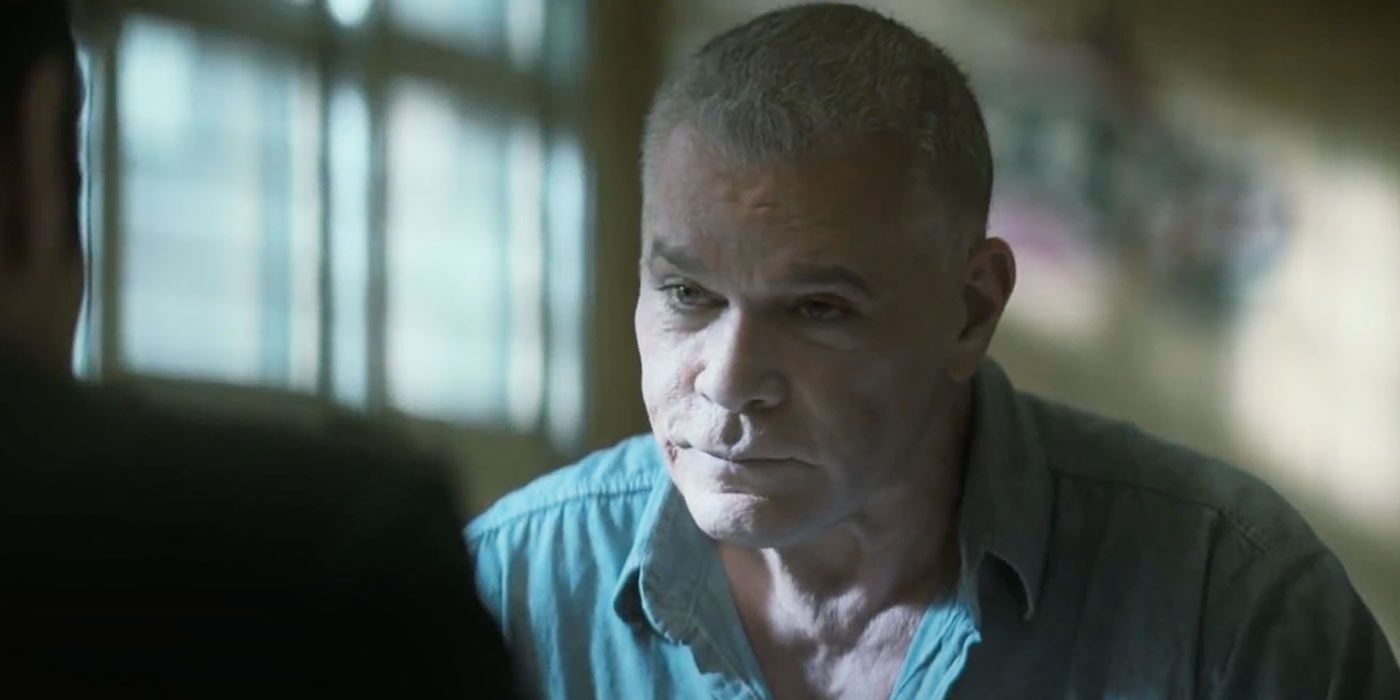
Ray Liotta, demonstrates ultimate versatility in a tour de force performance. His execution is as effective when understated as when raging.
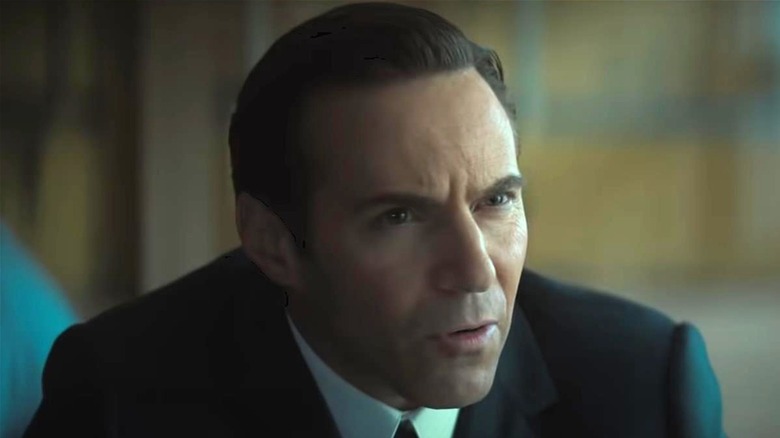
Alessandro Nivola is an electrifying presence as Dickie Moltisante. His gut-wrenching performance provides multi-faceted emotional peaks and valleys. His dichotomy reminds us very much of the adult Tony Soprano.
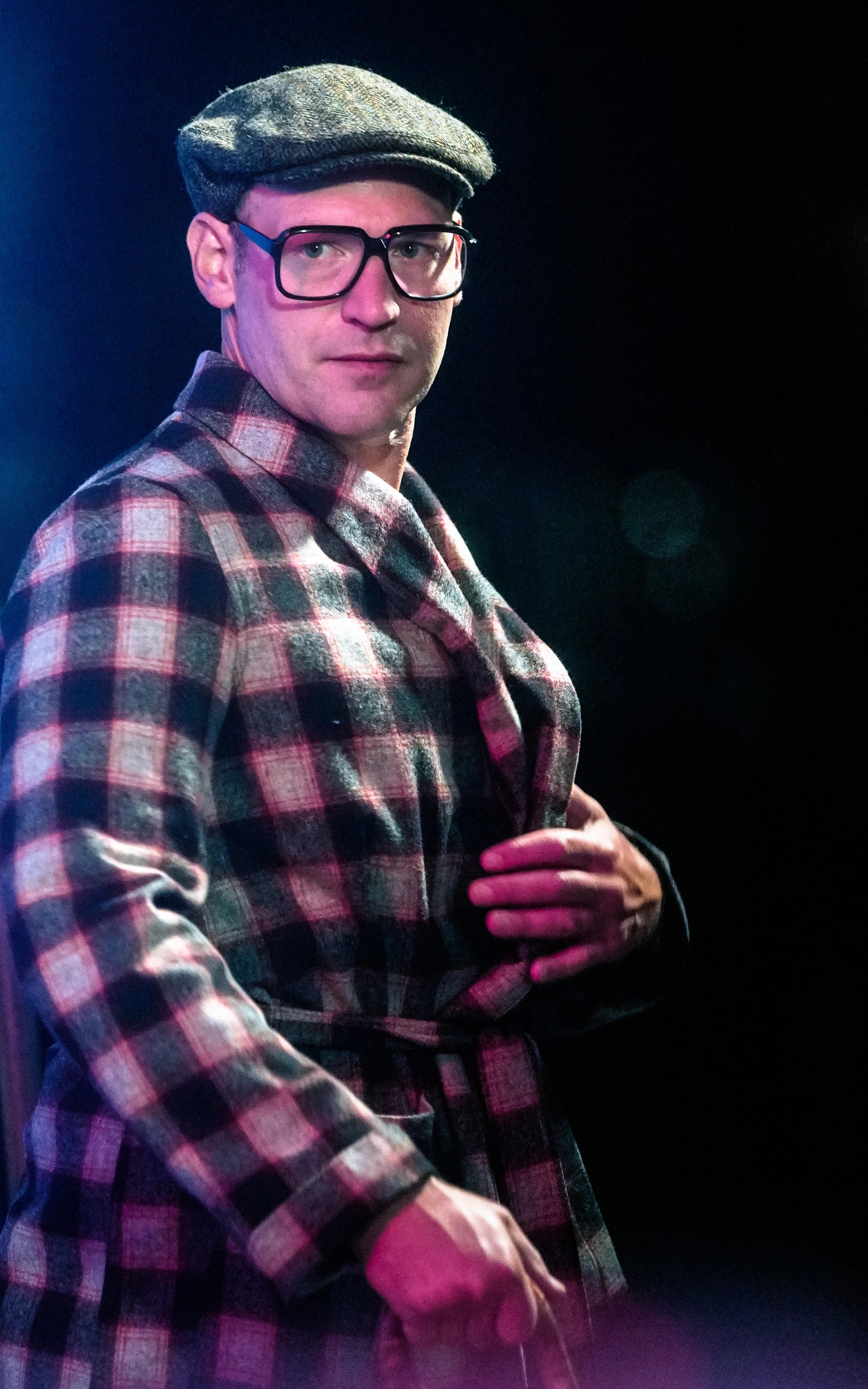
Other performances of note include Odom Jr. as Harold McBrayer, Corey Stoll as Corrado “Junior” Soprano (even more conniving than we might remember him) and Michela De Rossi as the transported Italian bride, Giuseppina Moltisanti.
Much has been written about the casting of Michael Gandolfini as the teenaged Tony Soprano. The pressure on this young man, at the prospect of portraying the character made legendary by his late father, James Gandolfini, must have been immense. In my opinion, he pulled it off…magnificently. The physical attributes…the posture, the mannerisms, the grit in his face well reflected the T.S. we would come to know. But he also effectively delivers the lights and darks of the character, struggling to discover a life direction.
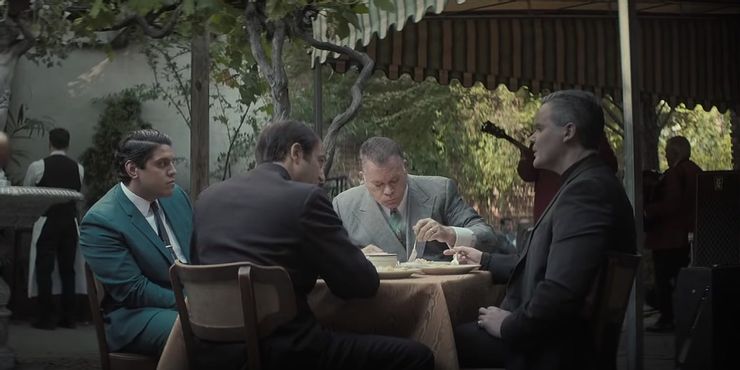
I also very much enjoyed seeing early personifications of Silvio Dante, Paulie Walnuts, Pussy Bonpensiero, Artie Bucco and Jackie Aprile. These characters mostly addressed fan service, but I really appreciated them.
Speaking of fan service, I believe The Many Saints of Newark is especially appealing to audience members who are familiar with the The Sopranos television show. There are many references and Easter Eggs, that only viewers intimately familiar with this “world” will comprehend. Will others find the film entertaining? I’m not sure. All the elements of a great film are here…so, I think so. I hope so.





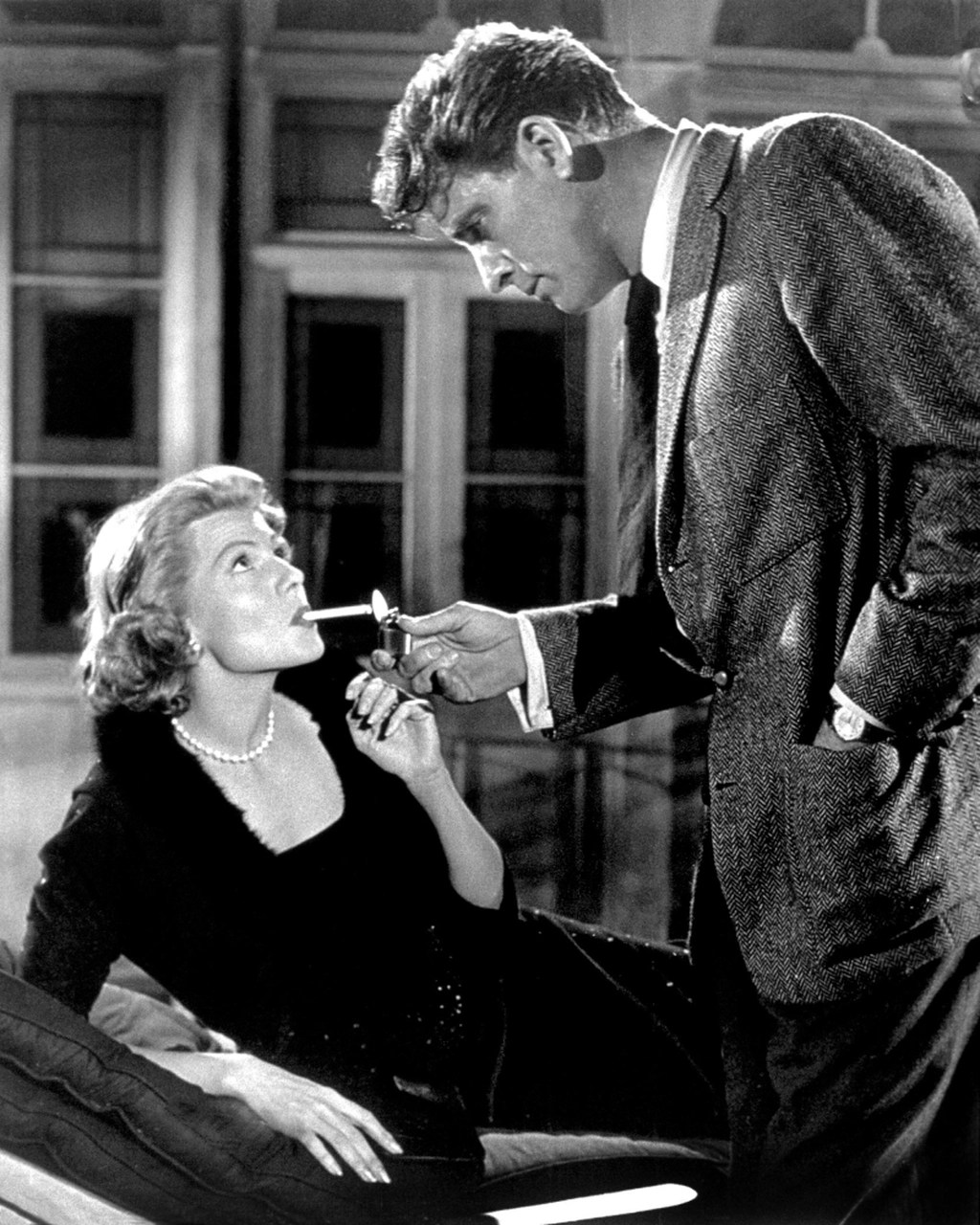





 billbenbarker