
I recently worked with a group of actor friends in presenting one of my infamous murder mystery dinner theatre productions. As always, it was a joy to share in the collegial experience of bringing some fun and laughter to an audience aching to be out and about after a long stretch of pandemic restrictions. The merits/foibles of the murder mystery genre are worthy of discussion. But, please….another time….another place.
At one point in my script, one of the less than honorable characters attempts to lure a vulnerable woman into his evil grasp. In carrying out his odious mission I was to have the foul character sing a parody of the haunting David Raksin/Johnny Mercer song, “Laura”
HENRY (enticing Sissy to him):
Come along my dear. (Sings “Laura” parody):
“Sissy is the face in the misty lights.”
As we rehearsed this scene, it became clear to me that there was a general unfamiliarity with the song by everyone in our cast. I eventually dropped the idea and instead inserted the instrumental theme from “The Outer Limits” to seduce Sissy into Henry’s evil arms. The tv theme was far more familiar to everyone and created the effect I was seeking.
But I was quite surprised that “Laura” had come to such a lack of identity. I’ve loved the song for as long as I can remember. The Mercer lyrics provide a promise of love. As a teenager, I guess I related to a potential first love. But even now, as an aging boomer, the song represents a promise of possibilities. Even though “….she’s only a dream.”
“Laura is the face in the misty light,
footsteps that you hear down the hall.
The laugh that floats on a summer night
that you can never quite recall.
And you see Laura on the train that is passing thru.
Those eyes, how familiar they seem.
She gave your very first kiss to you.
That was Laura but she’s only a dream.”
The more I thought about it, the more consumed I became . I found myself humming the melody and butchering its beautiful lyrics for days. Then last week the 1944 film, Laura ran on Turner Classic Movies. I had seen Laura many times over the years, but with the song so riveted in my head, I surrendered to the inevitability that I would watch it once again.
In his intro to the TCM presentation, host Ben Mankiewicz advanced his belief that Laura was perhaps the greatest example of Film Noir of all time. Film Noir? Hmm. That surprised me. My understanding (admittedly limited) of Film Noir required dark images on back-city streets, occupied exclusively by unredeemable characters.
So, I decided to look into the genre, which is apparently misunderstood by many. I started with good old Wikipedia:
Film noir (/nwɑːr/; French: [film nwaʁ]) is a cinematic term used primarily to describe stylish Hollywood crime dramas, particularly those that emphasize cynical attitudes and motivations. The 1940s and 1950s are generally regarded as the “classic period” of American film noir.
Of course my grandchildren inform me that I should never rely on Wikipedia, because, as a user-generated source, it can be edited by anyone at any time and may be unreliable. I guess that’s true. But I still think it’s a good place to start.
Beyond the initial definition is a debate among film scholars as to whether Noir is a genre or a style. “Potayto, potahto!” as far as I’m concerned. What does seem clear, at least to me, is that the idea of Film Noir has a lot to do with the themes found in the story.
Film Noir is always about the fall of a character who deteriorates through various situational encounters. And that decline is often attributed to self-obsession or the obsession of others. The character who falls is the victim of manipulation and has little or no control. In the end the character suffers irreversible consequences.
Here are some common Noir traits:
The protagonist is often characterized as a detective, but may also be portrayed as a boxer, a convict, a screenwriter, a hit man or any other ne’er-do-well who falls into an unfortunate circumstance.
A femme fatale is a female character who seduces or lures men into compromising, dangerous and sometimes deadly situations.
The setting and circumstances are important because a Noir theme may reflect the cultural landscape of the time during which the film was made.
A Noir film is certain to possess plot twists and turns.
Unusual camera angles, as well as, color (or lack of) shadings usually contribute.
Music is often its own character.
With me so far?
So yes, dark images and plenty of bad guys were often present during the Noir heyday of the 1940’s and 1950’s. But, I see now how much more there is to it. And…I like it.
So…..Laura, 1944.
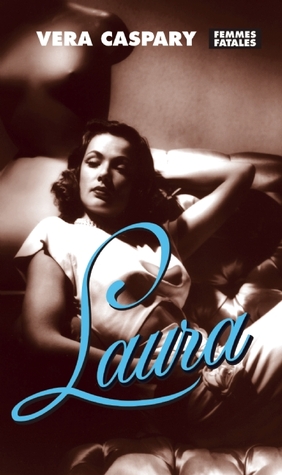
It was based on a novel of the same name by Vera Caspary, with a screenplay by Jay Dratler, Samuel Hoffenstein, and Betty Reinhardt .
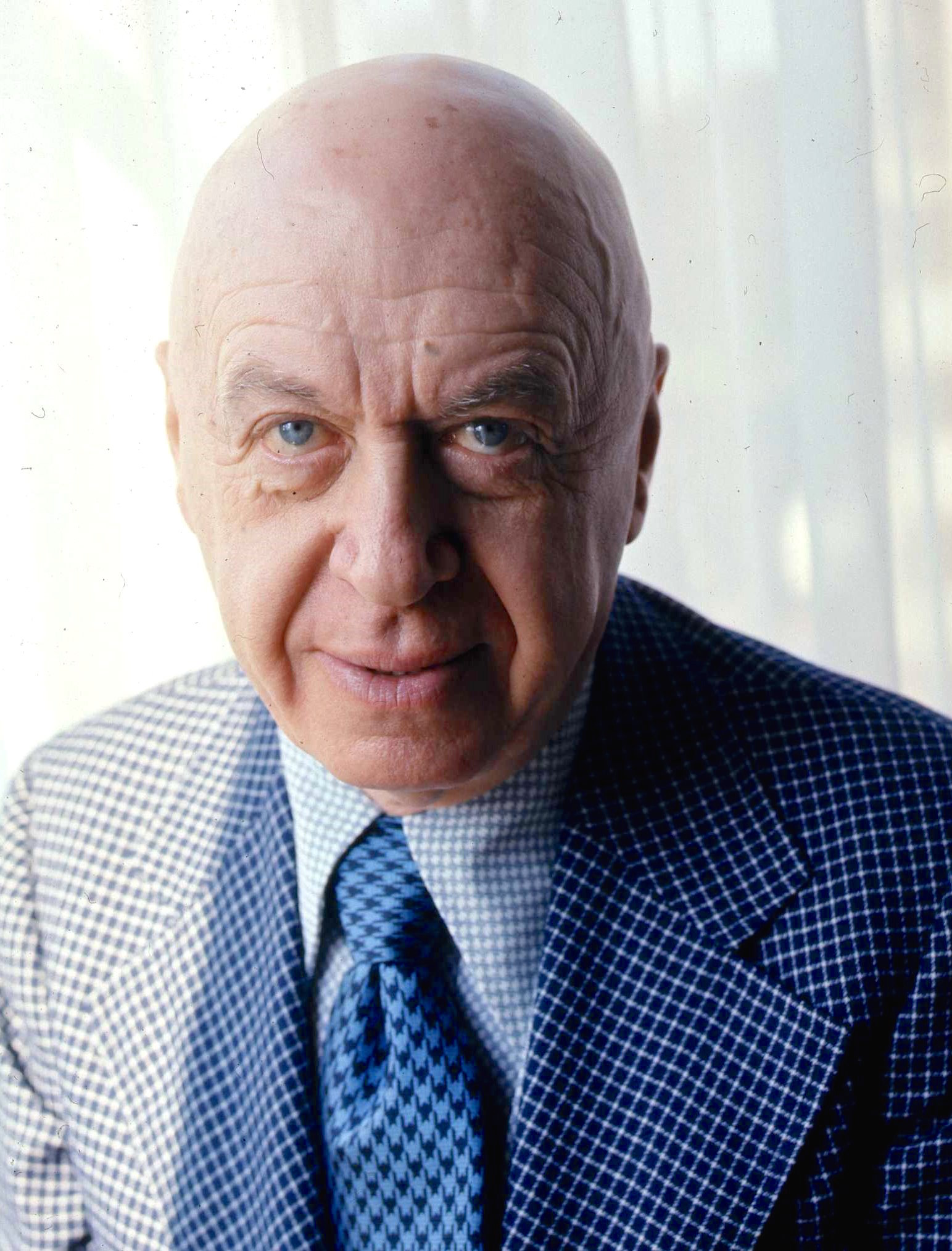
It was directed by Austro-Hungarian-born Otto Preminger.
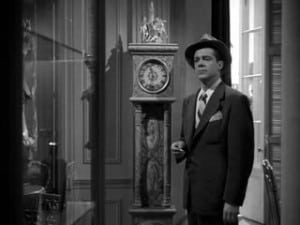
We are told with the first line of the film that “Laura” is dead. Shortly thereafter we meet a detective charged with finding her murderer. So we surmise we are in for a good old-fashioned whodunit. But it becomes clear that whodunit is inconsequential. In fact, we soon find there to be a cavalcade of viable suspects…but who cares. Any one of them could easily be the murderer. The real enticement of the story is the multi-dimensional passions emanated toward the dead “Laura.”
New York City Police Department detective Mark McPherson discovers an array of strange relationships surrounding the victim.
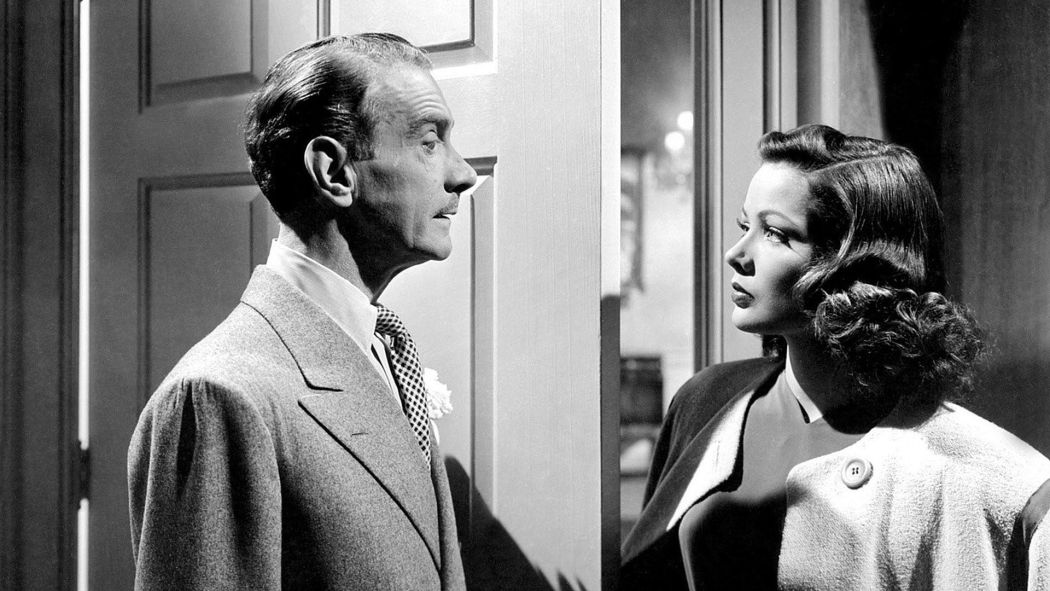
Waldo Lydecker, a New York newspaper columnist, who is at first quite rude to Laura, is suddenly drawn to her. He becomes her mentor and confidant. But…he seeks more.
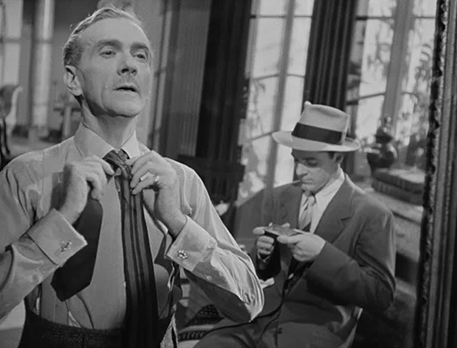
Shelby Carpenter, a handsome down-home hick, somehow becomes Laura’s fiancé.
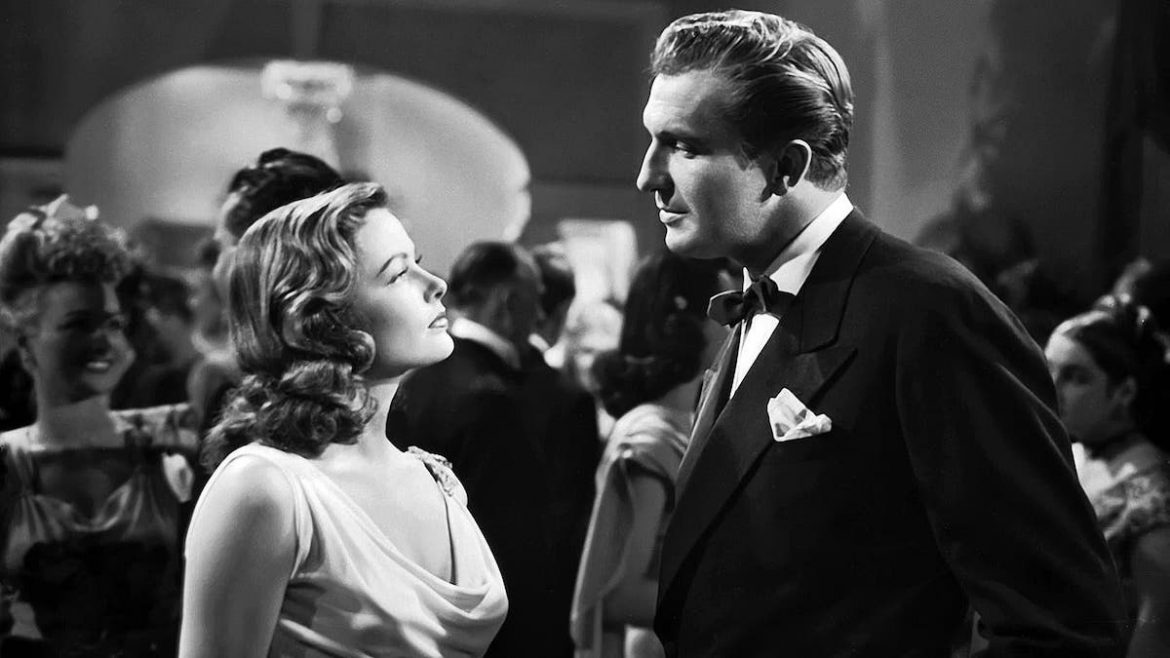
Although he may not have regarded her as his best meal-ticket…still he’s allured by Laura’s beauty and wit.
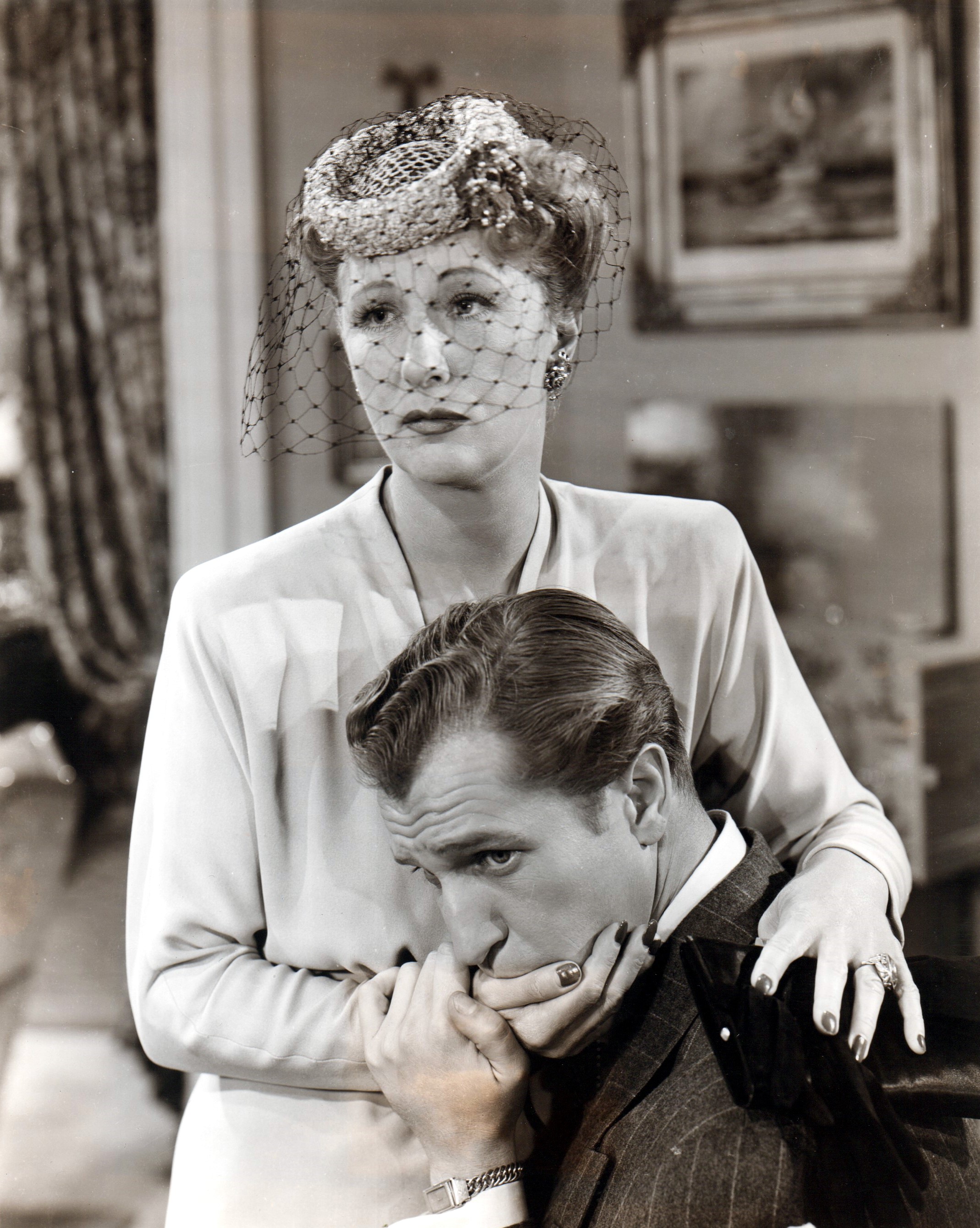
Ann Treadwell is Laura’s well-to-do aunt, who is “keeping” Carpenter for physical intentions. Beneath her placid exterior rages a jealous design toward her niece.
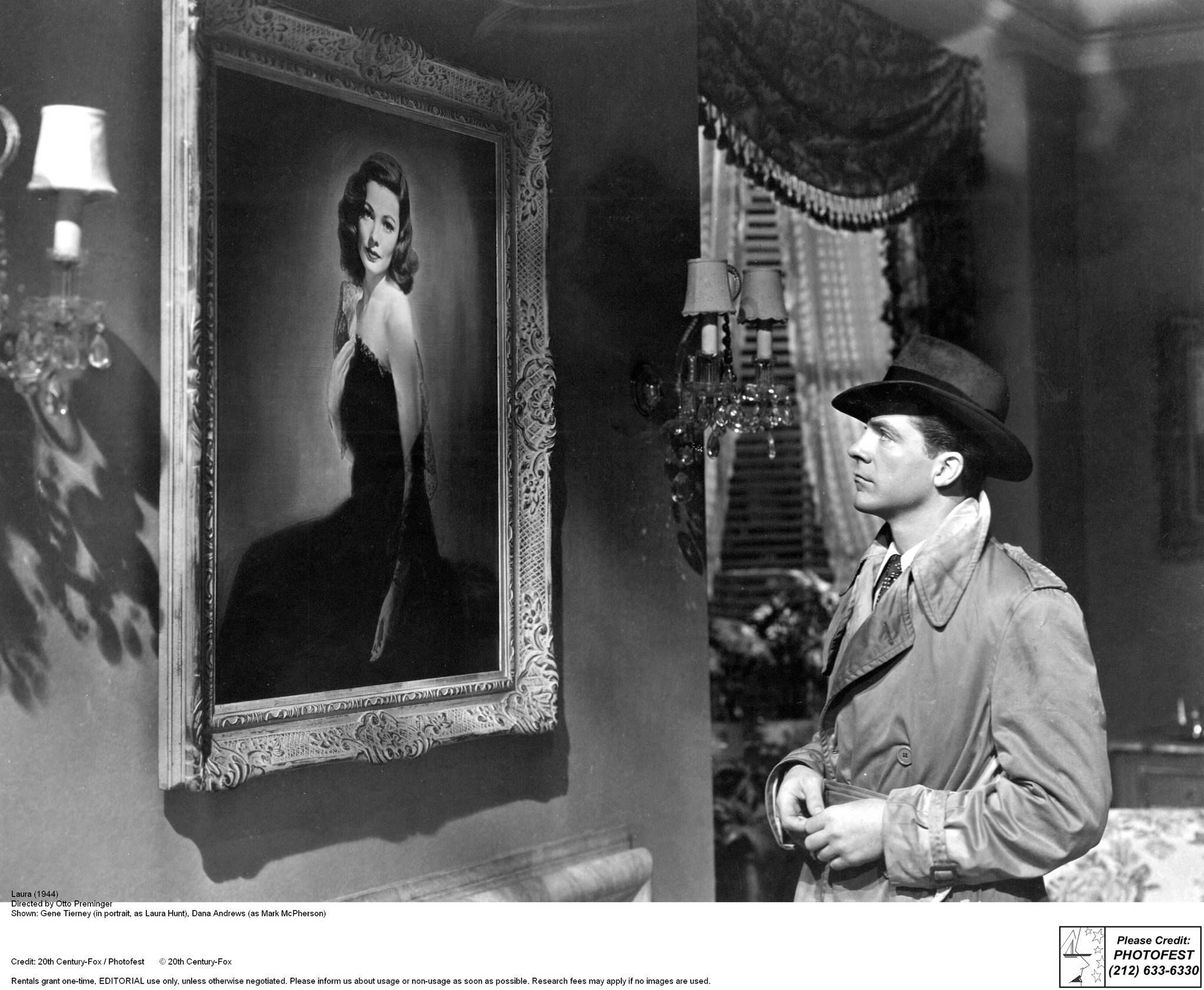
And finally, there is McPherson, himself. Yes….as he investigates the crime scene, Laura’s apartment, he seems to venture well beyond the normal fingerprint-like assessments. He reads her love letters. He smells her perfume. And throughout he is devoured by the giant portrait of Laura hanging on the wall.
About mid way through the film, there is a twist that significantly alters the course of McPherson’s investigation and his life.
As the audience we are captivated not so much by the who, where, what and why…..but by the consuming journey that gets us there. At least that’s how I see it.
At the root of all this is Preminger’s direction. Most of the scenes present somewhat talky dialogue as the detective questions each of the suspects. But these are well paced, with suspenseful overtones. The characters clearly portray their outward facades and underlying compulsions.
The locations and scenery vividly paint a motif of privilege and desire. The camera is slow, steady and always interesting. The David Raksin score (which started me on this quest) is almost hypnotic. It is used often and effectively. Ironically, in studying the film, I learned that the enchanting Johnny Mercer lyrics were added later…after the film had been released.
But the eternal appeal of the film, I believe, is most reliant on the staunch credibility of the cast.
Clifton Webb is cantankerous and wily as newspaper columnist Waldo Lydecker. His character weaves its apprehensive way in and out of our suspicions. His voice is riveting and appealing.
Vincent Price….yes, that Vincent Price, is quite believable as the bumbling romantic lead. Price is focused and deliberate in pursuing the gold-digging elements of his character. We, of later generations, may have a difficult time accepting him here, because of our knowledge of his later career. But he executes well.
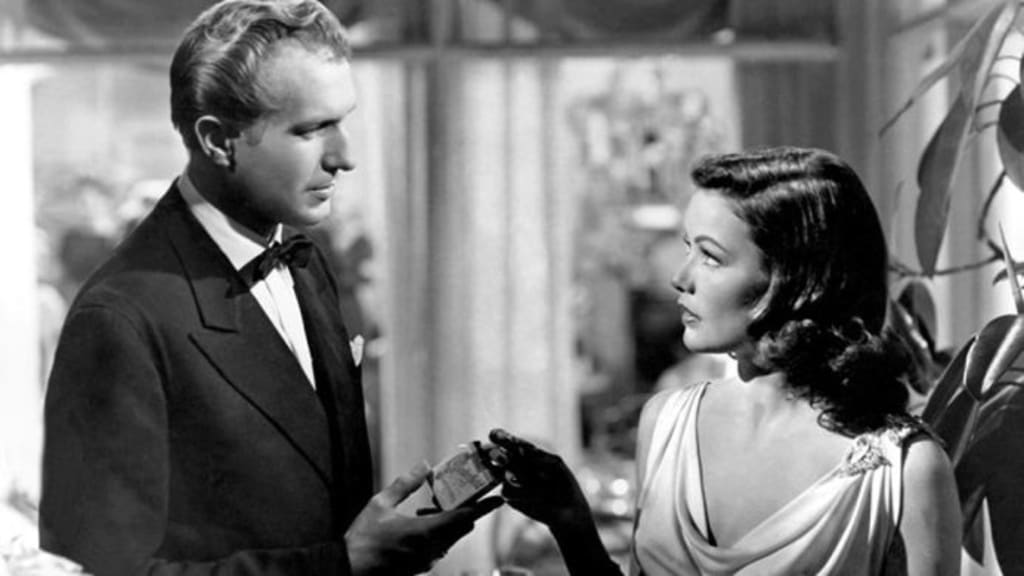
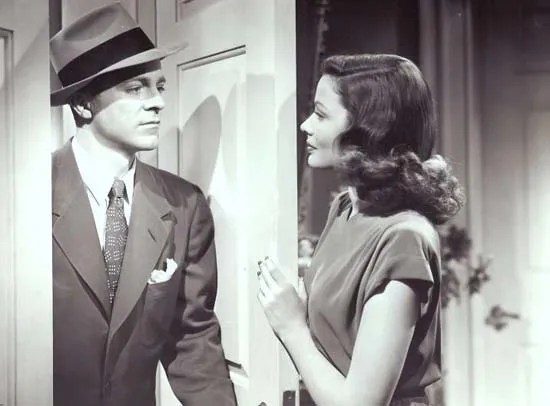
Dana Andrews is the rugged epitome of the gumshoe detective. His performance is guardedly understated, yet strong. But we feel his fall as he gazes into the eyes of Laura’s portrait. Andrews projects a vivid vulnerability as his flawed character evolves.
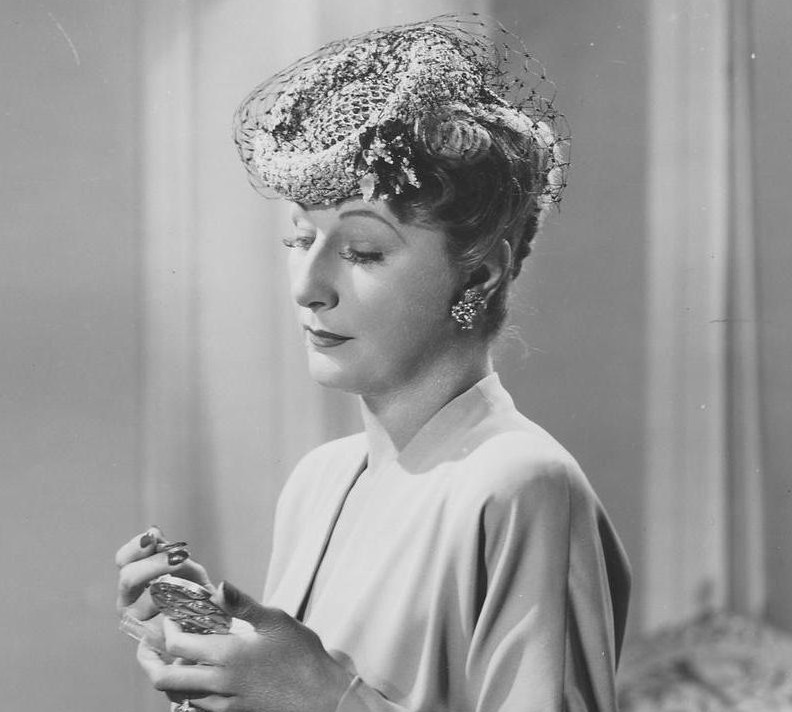
Judith Anderson’s stoic demeanor is harrowing. It beckons appropriate dislike for Auntie Anne.
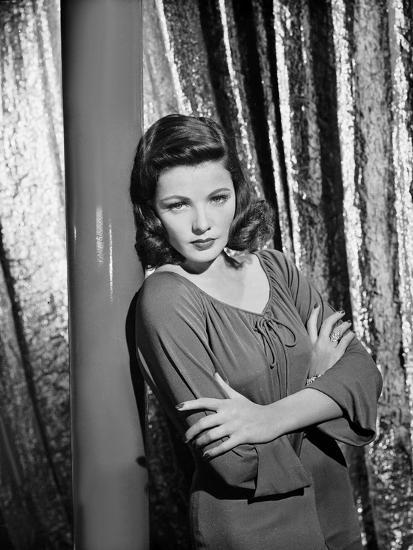
Yes, this is a Noir of passion. But the object of all this attention is perhaps the mightiest obsession of all, Laura herself. We really don’t find out much about Laura as a person. But to the characters in the film, she is an ideal….the perfect woman, beautiful, smart and alluring. In the role, Gene Tierney is the perfect femme fatale. She effortlessly weaves her spell over all concerned….and over us too. At least over me.
If you’ve never seen Laura, I recommend you take a look. No car chases…no monsters…no super heroes. Just the human condition …and you know how frightening that can be.

 billbenbarker