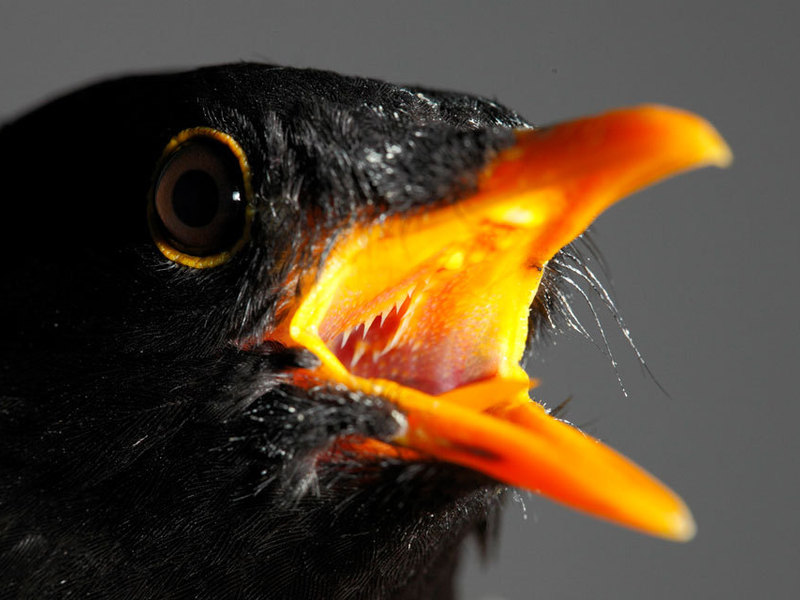
At one of the many points of high drama in The Many Saints of Newark, a blackbird can be seen flying in a garage. The unusual image may convey the darkness of the moment, as well as past and future fatalism, in this unique and fascinating world.
The long awaited prequel to the history-making Sopranos television series, written by David Chase (Soprano’s series creator) and Lawrence Konner is directed by Alan Taylor (also a Sopranos series veteran.) At the film’s centerpiece is Dickie Moltisante (Alessandro Nivola,) an underling mobster in the New Jersey DiMeo crime family.
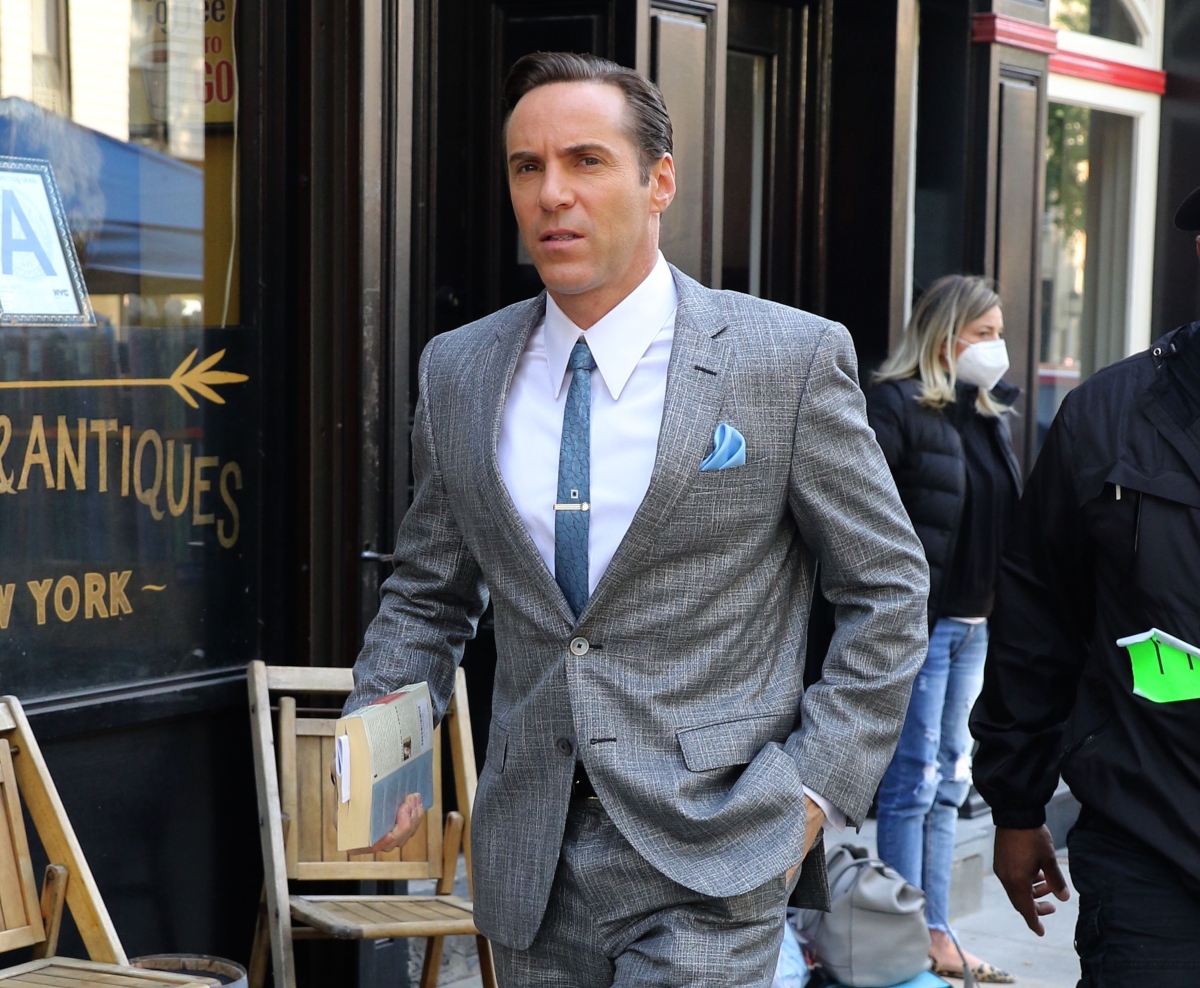
We see that Dickie is a conflicted and sometimes tortured soul. He wants to pay due diligence to his mafia roots, as his geneology requires. And he does so …committing grievous, heinous acts in the name of “this thing of ours.” But simultaneously, Dickie wants to be a good guy…. He wants to do “good deeds.” Dickie comes into conflict with Harold McBrayer (Leslie Odom, Jr. ) a friend from youth, who initially works for him.
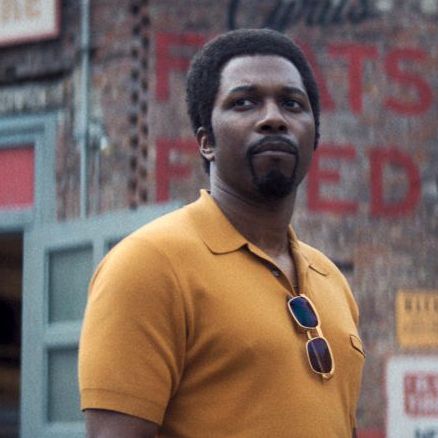
But, as the civil rights movement evolves, so does McBrayer’s consciousness, as he seeks his own autonomy. The stuggle between Dickie and Harold is set before the dramatic backdrop of the Newark riots of 1967.
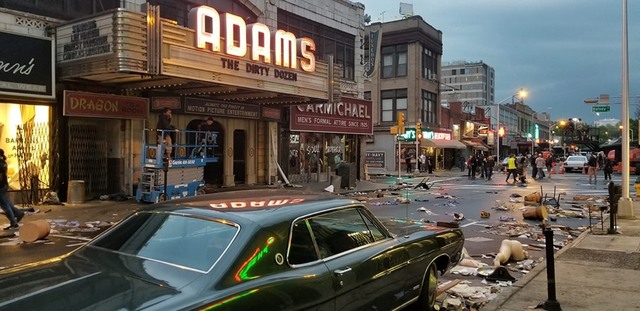
Eventually the rift between Dickie and Harold becomes personal, escalating the war to brutal realities.
Observing all this with wide eyes is a young Tony Soprano (William Ludwig and Michael Gandolfini,) an intelligent young man, testing high as a potential leader. We see Tony at the apex of a mountain….considering his options. In The Many Saints of Newark, Chase and company dramatically provide the environmental influences that will eventually forge his path.
The film is beautifully shot, perfectly set in 60’s-70’s New Jersey. Scenically appealing, the riot and violence sequences are particually stunning…and frightening. The exceptional costume, make-up and hair treatments contribute significantly to the absorbing texture of the experience. The film is visually stunning. Also wonderful is the soundtrack…. an ecclectic selection of music of the period, complimentary and emmersive. It nearly tells the story on its own.
The script is tight and sharp. It features well paced dialogue providing focused specificity at every turn. The direction is also top-notch, with creatively-shot scenes moving briskly and efficiently. If there is a flaw under-the-hood, it may be that some of the characters are lacking a sense of completion. Perhaps that is by design. Some of us…maybe most of us…surely recall the “cut to black.”
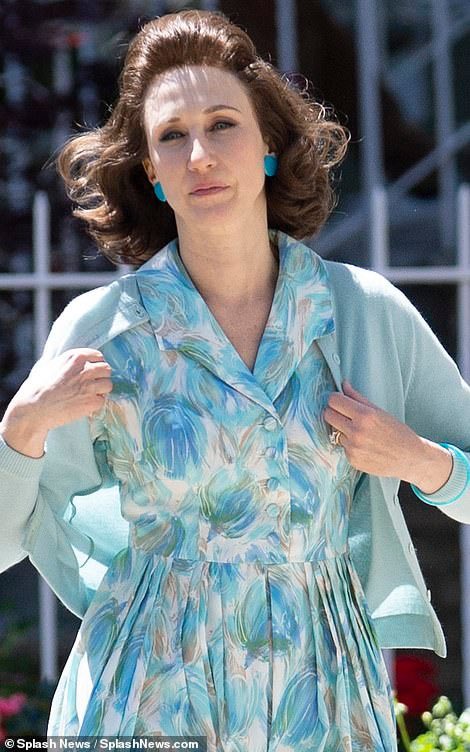
The acting is universally terrific. However a few performances are particularly arresting. Vera Farmiga is appropriately biting and frigid, as Livia Soprano. Portraying the future family matriarch, Farmiga pays due homage to Nancy Marchand’s original virtuoso rendering, yet effectively explores new territory in this complicated character. She creates a certain vulnerability and perhaps even elicits a certain sympathy.
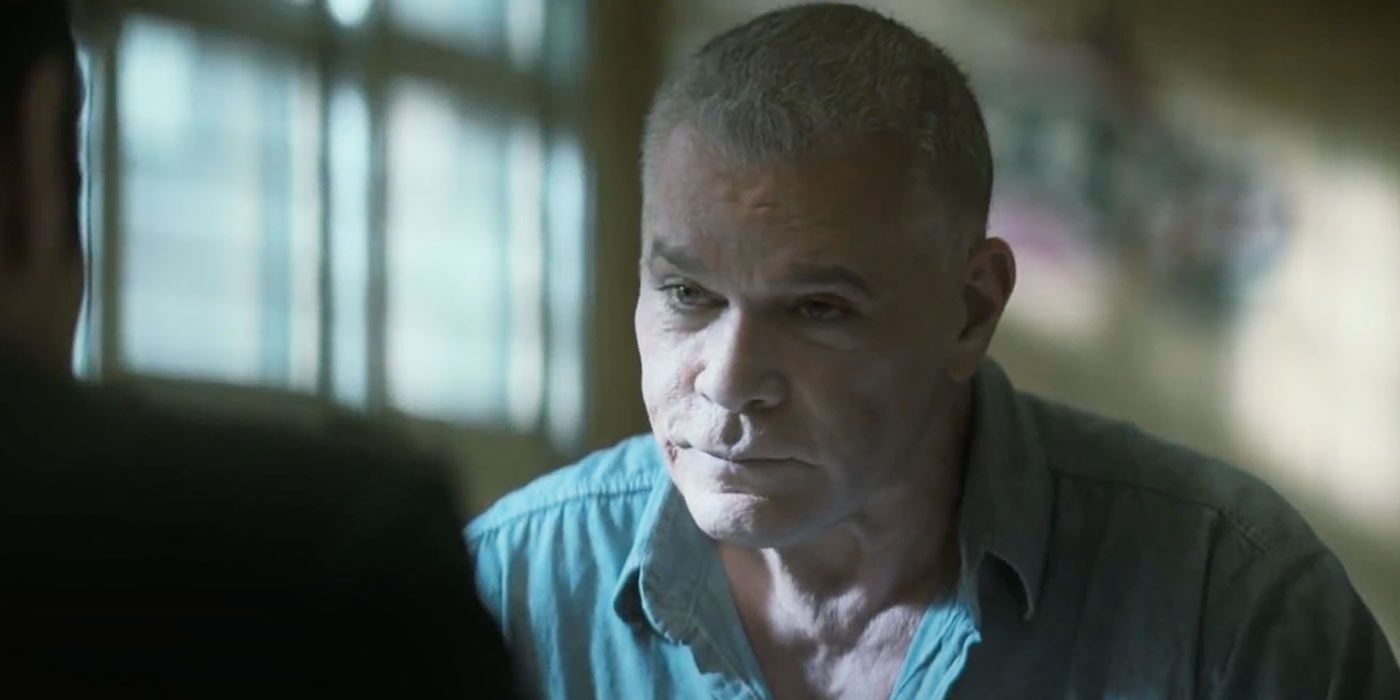
Ray Liotta, demonstrates ultimate versatility in a tour de force performance. His execution is as effective when understated as when raging.
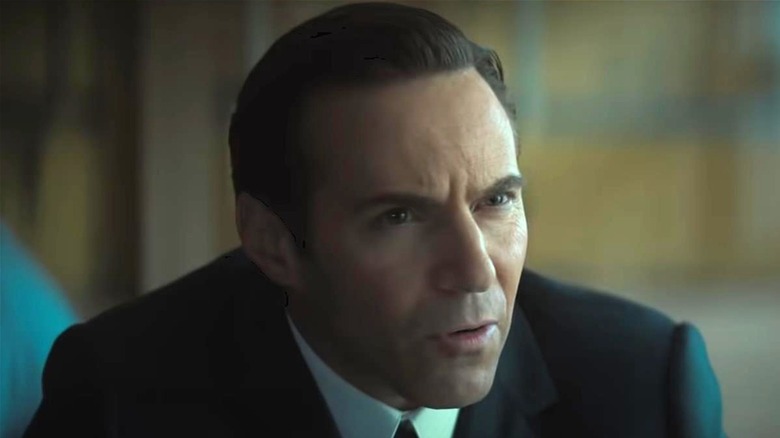
Alessandro Nivola is an electrifying presence as Dickie Moltisante. His gut-wrenching performance provides multi-faceted emotional peaks and valleys. His dichotomy reminds us very much of the adult Tony Soprano.
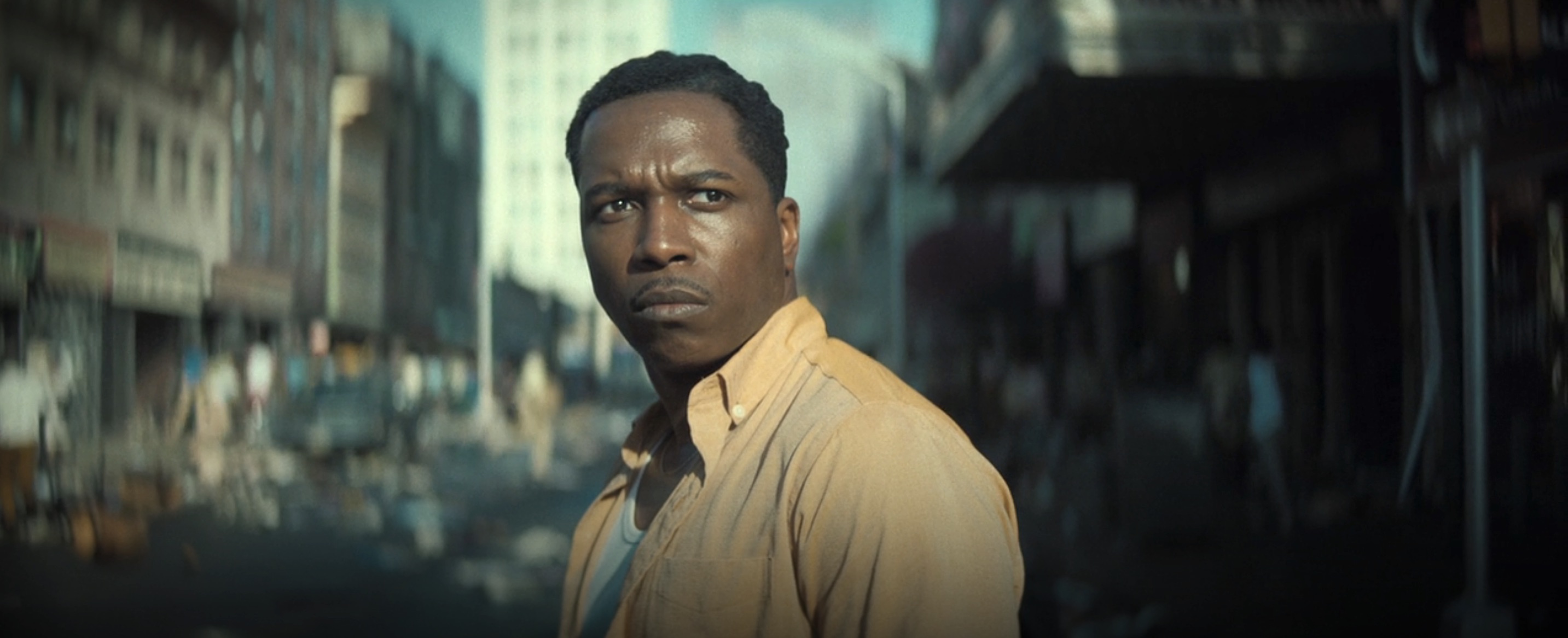
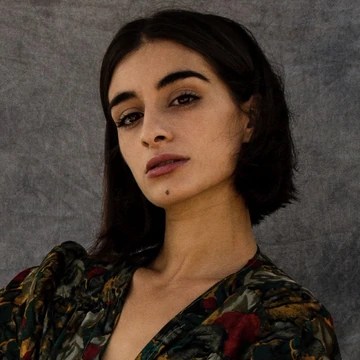
Other performances of note include Odom Jr. as Harold McBrayer, Corey Stoll as Corrado “Junior” Soprano (even more conniving than we might remember him) and Michela De Rossi as the transported Italian bride, Giuseppina Moltisanti.
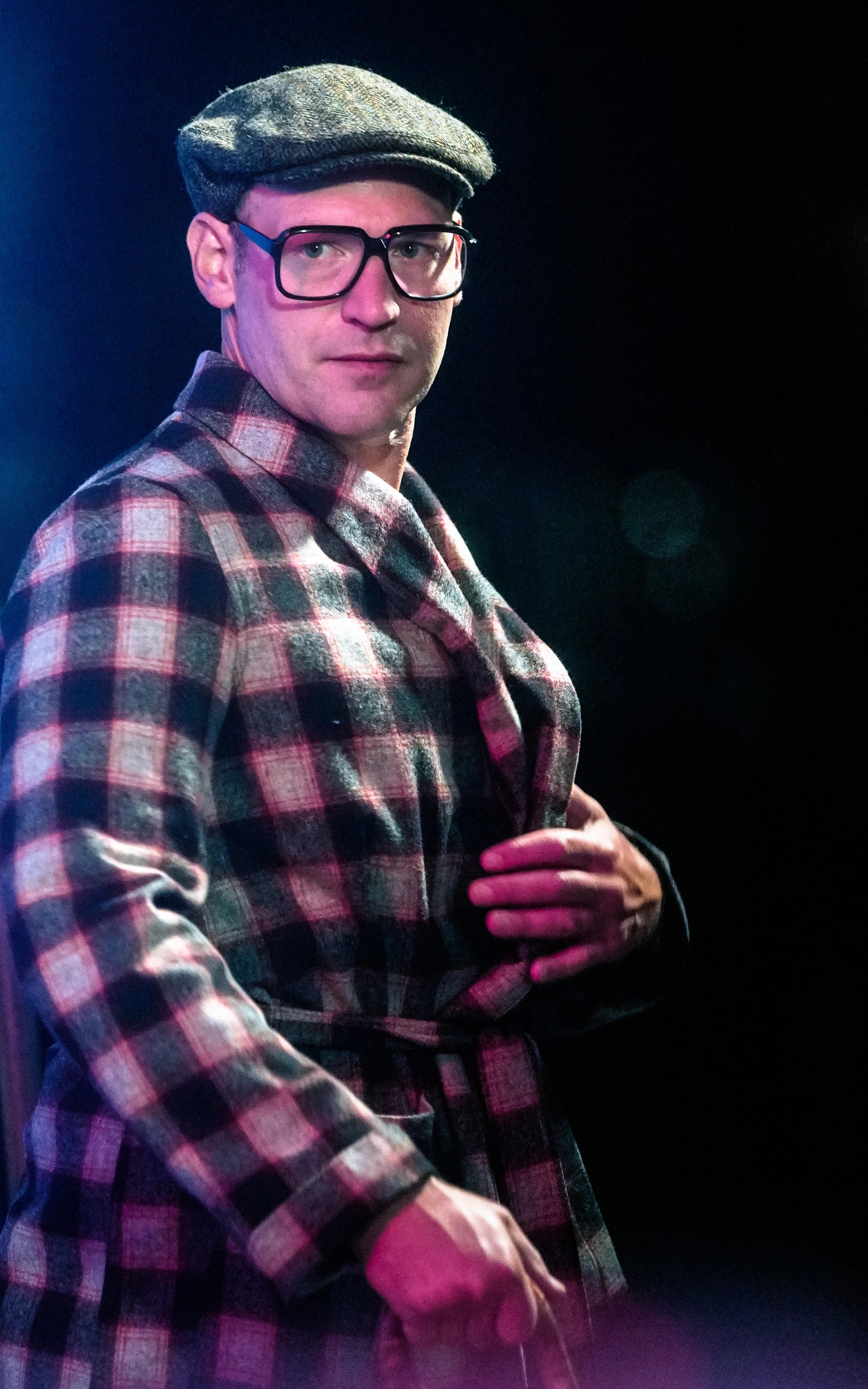
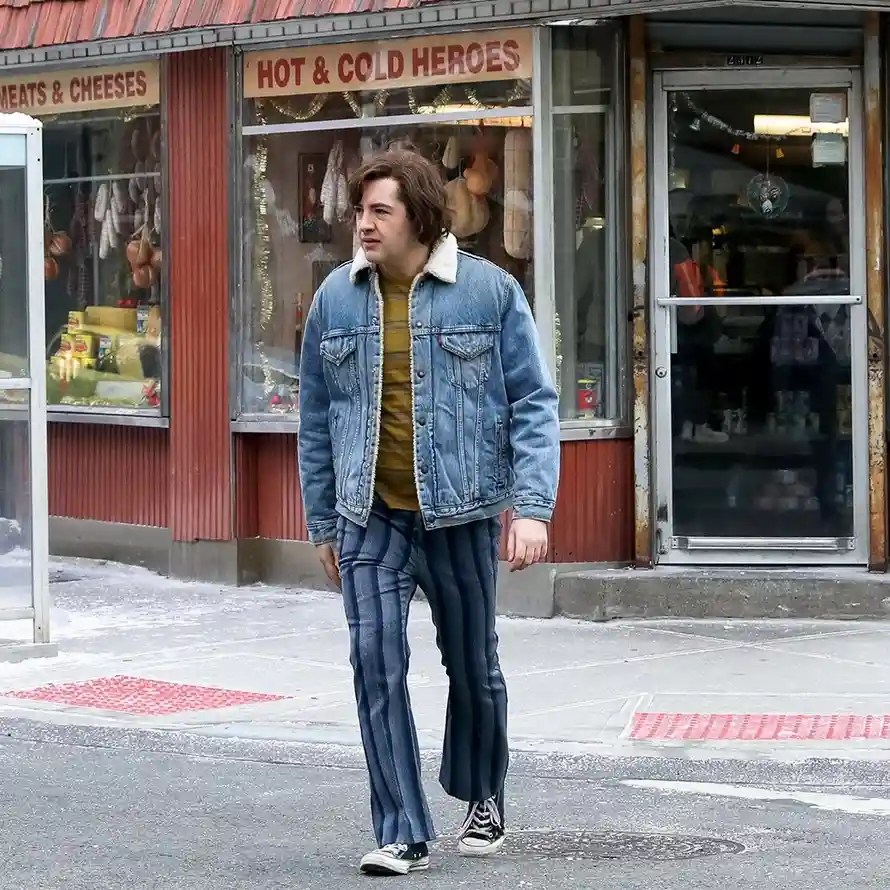
Much has been written about the casting of Michael Gandolfini as the teenaged Tony Soprano. The pressure on this young man, at the prospect of portraying the character made legendary by his late father, James Gandolfini, must have been immense. In my opinion, he pulled it off…magnificently. The physical attributes…the posture, the mannerisms, the grit in his face well reflected the T.S. we would come to know. But he also effectively delivers the lights and darks of the character, struggling to discover a life direction.
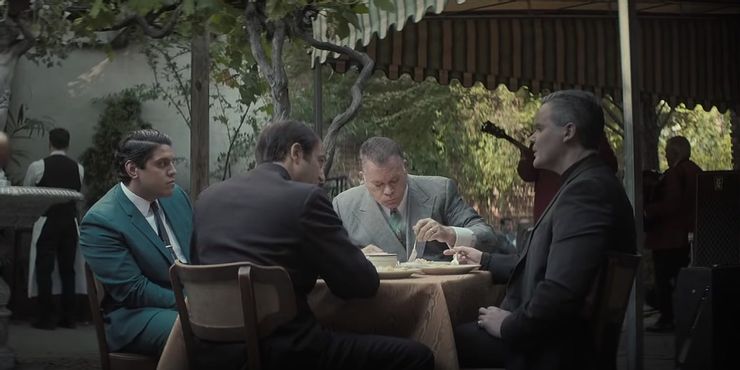
I also very much enjoyed seeing early personifications of Silvio Dante, Paulie Walnuts, Pussy Bonpensiero, Artie Bucco and Jackie Aprile. These characters mostly addressed fan service, but I really appreciated them.
Speaking of fan service, I believe The Many Saints of Newark is especially appealing to audience members who are familiar with the The Sopranos television show. There are many references and Easter Eggs, that only viewers intimately familiar with this “world” will comprehend. Will others find the film entertaining? I’m not sure. All the elements of a great film are here…so, I think so. I hope so.

 billbenbarker